

Showmanship Outfits: A Complete Guide for Men Riders
May 10, 2026
Showmanship isn't just about handling your horse-it's about presenting yourself with the same precision and polish you expect from your mount. Your outfit speaks before you enter the ring, communicating professionalism, attention to detail, and respect for the discipline. Whether you're preparing for Western showmanship classes or English in-hand competitions, the right clothing choices can enhance your confidence and performance. Getting your kit sorted properly means understanding the balance between tradition, functionality, and personal presentation.
Understanding Showmanship Attire Standards
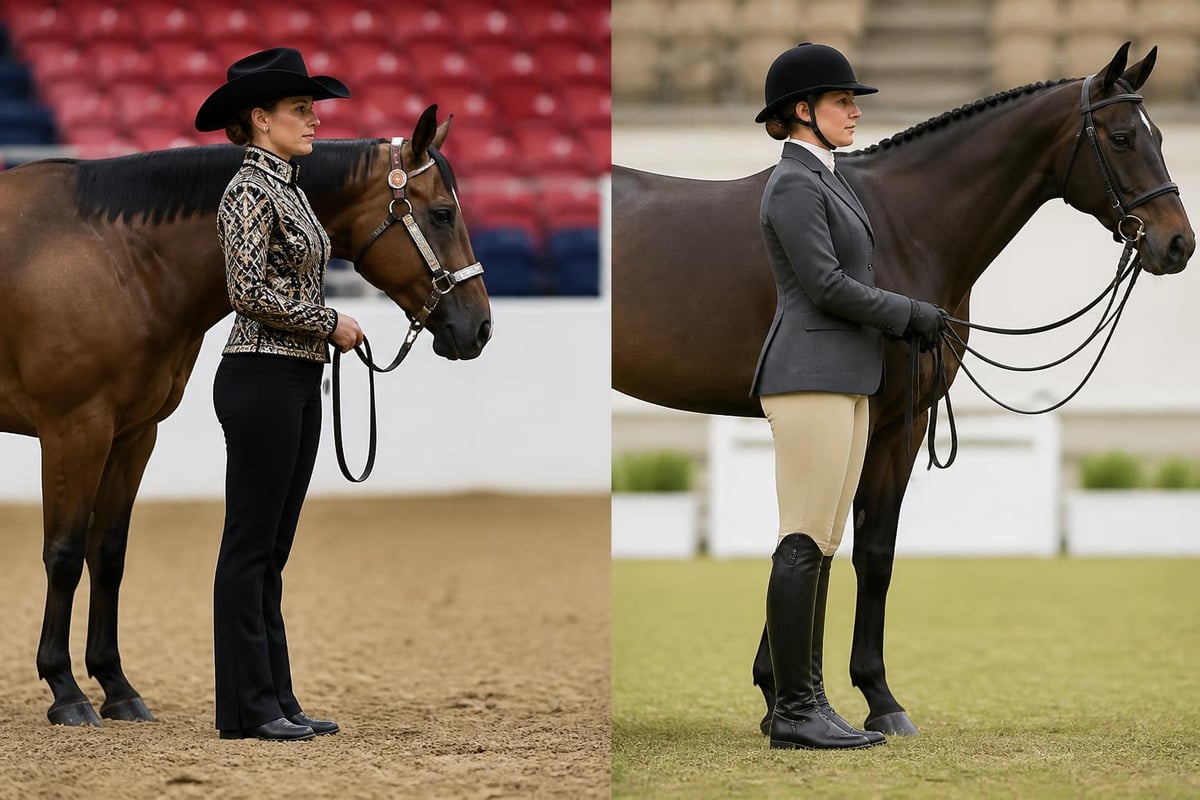
Horse showmanship competitions demand specific dress codes that vary significantly between disciplines. Western showmanship typically requires fitted jackets, dress trousers or chaps, and polished boots, whilst English showmanship focuses on traditional hunt attire or conservative suits. Both styles prioritize a clean, professional appearance that won't distract from your handling demonstration.
The key difference lies in formality and structure. Western showmanship outfits often incorporate more colour and pattern through shirts or ties, allowing subtle personality within strict guidelines. English in-hand classes tend toward conservative navy, black, or grey tailoring. Understanding these distinctions helps you select appropriate pieces for your specific discipline.
Modern showmanship has evolved beyond rigid uniforms. Today's competitors blend traditional elements with performance fabrics that move with you rather than restricting movement. This shift means you can maintain proper presentation whilst actually feeling comfortable during lengthy classes or outdoor summer shows.
Building Your Western Showmanship Wardrobe
Western showmanship demands tailored precision with a touch of individual style. Your jacket forms the foundation-it should fit through the shoulders without pulling, with sleeves ending precisely at your wrist bone. Traditional choices include black, navy, or brown, though some associations permit subtle patterns or contrasting piping.
The Jacket Question
Finding a showmanship jacket that balances structure with mobility requires attention to construction details. Look for pieces with reinforced shoulders that maintain shape throughout long classes. The jacket should allow full arm extension without riding up your back-crucial when demonstrating the quarter method turn or backing your horse.
Choosing the right Western show outfit involves understanding fabric weight and drape. Lighter-weight wools work well for indoor arenas, whilst heavier blends provide better structure outdoors. Consider having jackets tailored specifically for competition rather than adapting business wear-the difference in cut matters when judges evaluate your overall presentation.
Trousers and Chaps
Dress trousers worn beneath chaps create the classic Western showmanship silhouette. Your trousers should feature a slight break at the boot top, maintaining clean lines without excess fabric pooling. Many competitors prefer darker washes or solid colours that coordinate with their jacket selection.
Chaps add another layer of polish-literally and figuratively. Well-fitted chaps streamline your leg line and protect trousers from arena dust. They should sit comfortably at your natural waist without gaps at the thigh, moving with you rather than shifting during maneuvers.
| Garment | Fit Requirement | Common Colours | Fabric Considerations |
|---|---|---|---|
| Jacket | Structured shoulders, wrist-length sleeves | Black, navy, brown, grey | Wool blends, performance weaves |
| Trousers | Slight break at boot, no pooling | Black, charcoal, khaki | Wrinkle-resistant, durable |
| Chaps | Waist-fitted, streamlined leg | Matching or complementary to jacket | Leather, suede |
| Shirt | Fitted through torso, collar stays crisp | White, pastels, patterns | Cotton, technical blends |
English Showmanship and In-Hand Presentation
English in-hand classes call for understated elegance rather than flash. The standard outfit centres on a well-fitted suit or sport coat paired with dress trousers and polished leather boots or shoes. Conservative colours dominate-think boardroom rather than arena.
Your jacket should feature classic tailoring: notched lapels, two or three buttons, and vents that allow movement. Single-breasted styles remain most popular, though double-breasted jackets work if you prefer that aesthetic. The key is ensuring your jacket doesn't overwhelm your frame or restrict shoulder mobility when presenting your horse.
Shirts and ties complete the professional image. White or light blue dress shirts provide a clean canvas, whilst your tie adds subtle personality. Avoid bold patterns or novelty prints-they distract rather than enhance. Stick with classic stripes, subdued checks, or solid colours that complement your jacket.
Understanding competition arena expectations helps you select pieces that transition seamlessly between disciplines. Many riders maintain separate wardrobes for different competition types, though quality basics can serve multiple purposes with strategic accessorising.
The Rise of Showmanship Suits
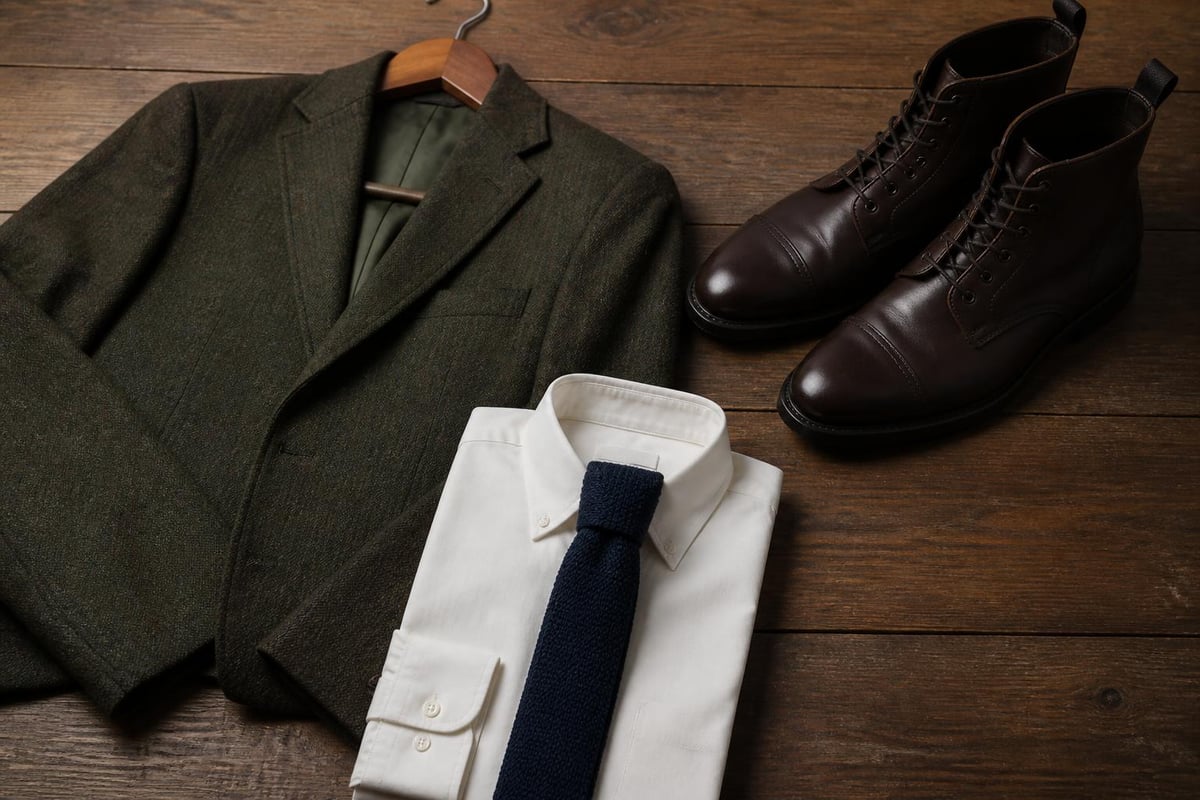
Recent years have seen increasing acceptance of full suits in showmanship classes, particularly at higher competition levels. Understanding the dos and don'ts of showmanship suits helps you navigate this trend without appearing out of place or overly formal.
Selecting the Right Suit
A showmanship suit differs from business attire in subtle but important ways. You need fabrics that breathe during summer shows whilst maintaining crisp lines. Wool-blend suits with a touch of synthetic fiber resist wrinkles better than pure wool, crucial when travelling to shows or spending hours in warm-up areas.
Fit becomes even more critical in full suits. Your jacket should allow comfortable arm movement in all directions-remember, you'll be extending arms for the judge's inspection and guiding your horse through patterns. Trousers need enough room through the seat and thigh to permit occasional quick movements without splitting seams.
Colour selection for suits follows discipline norms. Western showmanship permits slightly more variety: charcoal, navy, even deep burgundy or forest green at some associations. English classes stick rigidly to navy, black, or grey. Check your specific association's rulebook before investing in a suit that might not meet requirements.
Maintaining Suit Standards
Suits demand more care than separates. Professional pressing before each show maintains the sharp creases judges expect. Consider investing in a portable steamer for show-day touch-ups-it's lighter than an iron and works well on most suit fabrics.
Storage matters too. Hanging your suit properly prevents shoulder dimples and maintains jacket shape. Use wide, padded hangers rather than wire ones. Keep trousers hung by the cuffs to preserve their crease. Between shows, store suits in breathable garment bags that protect from dust without trapping moisture.
Practical Considerations for Show Day
Showmanship outfits must perform under pressure. You're moving quickly between the warm-up area and the show ring, often in variable weather conditions. Your clothing needs to maintain its appearance despite sweat, dust, and the occasional horse nudge.
Fabric Performance
Technical fabrics have revolutionized showmanship wardrobes. Modern performance blends incorporate stretch without losing structure, allowing full range of motion whilst maintaining the crisp lines judges expect. These fabrics also tend to resist wrinkles better than traditional wools, crucial during long show days.
Moisture-wicking properties matter more than many riders realize. Even in indoor arenas, nerves and exertion create sweat. Fabrics that pull moisture away from your skin help you stay comfortable and prevent visible dampness that undermines your polished appearance.
Performance-driven equestrian clothing has evolved to meet these exact demands. Quality pieces incorporate technical features whilst maintaining traditional aesthetics-you get the best of both worlds without compromise.
Layering Strategies
Weather unpredictability demands smart layering. A quality dress shirt beneath your jacket provides base coverage, whilst a lightweight waistcoat adds warmth without bulk. Choose pieces that coordinate with your overall palette but can be removed if temperatures rise.
Consider the transition between indoor and outdoor rings. You might warm up outdoors in cool morning temperatures, then show indoors where arena lights and bodies heat the space considerably. Having a removable outer layer helps you regulate temperature without compromising your appearance.
| Layer | Purpose | Removal Timing | Storage Solution |
|---|---|---|---|
| Base shirt | Moisture management, modesty | Never during competition | N/A |
| Waistcoat | Warmth, polish | Before entering ring if overheated | Groom's bag |
| Jacket | Primary presentation piece | Only if rules permit | Ring steward area |
| Tie | Formality, colour accent | Never during competition | N/A |
Footwear That Performs
Boots complete your showmanship outfit, but they must function beyond aesthetics. You'll spend hours on your feet, moving quickly across various surfaces. Your boots need to support proper posture whilst allowing the quick pivots and direction changes showmanship demands.
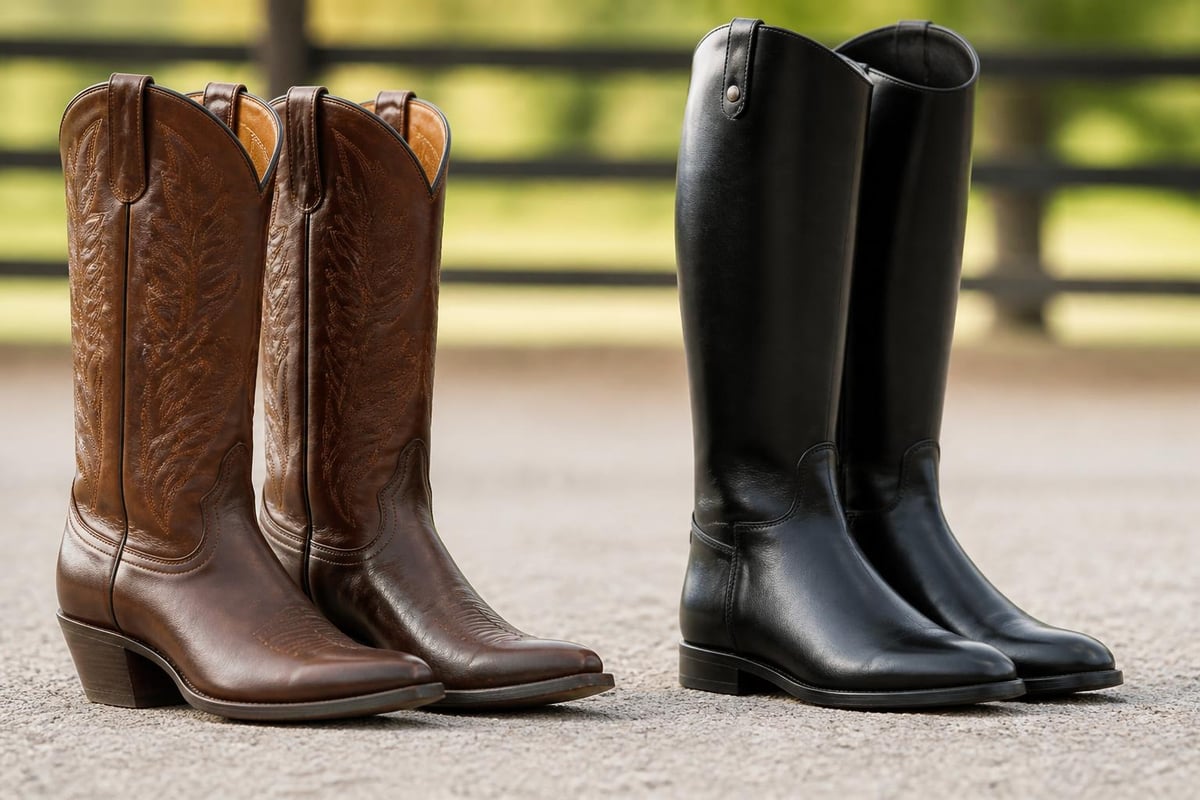
Western showmanship traditionally requires dress boots-taller than ropers, with smooth leather and conservative styling. Black or dark brown leather remains standard, polished to a high shine. Avoid excessive tooling or bright colours that draw attention from your overall presentation.
English showmanship permits field boots or dress shoes, depending on class specifications. If showing in boots, they should be tall boots in black or dark brown, impeccably clean with polished toes. For classes allowing shoes, opt for leather oxfords or derbies with low heels and closed toes.
Comfort cannot be sacrificed for appearance. Break in new boots thoroughly before show day-blisters undermine your confidence and affect your movement. Consider custom orthotics if you have specific foot support needs. Your boots should feel like a natural extension of your leg, not a constraint.
Accessories and Finishing Touches
The details separate adequate presentation from exceptional turnout. Your belt should match your boots-black with black, brown with brown. Western showmanship permits slightly more decorative buckles, though avoid anything oversized or flashy. English classes require simple, conservative belts with minimal hardware.
Jewellery stays minimal in showmanship rings. Wedding bands are acceptable; watches should be simple and classic if worn at all. Skip the statement pieces-they distract judges from evaluating your handling skills. The same principle applies to hair: neat, traditional styles work best. If you have longer hair, secure it properly so it doesn't obscure your face or become a distraction.
Gloves present an interesting choice. Some competitors wear them for better lead grip and a polished appearance; others prefer bare hands for maximum feel. If you choose gloves, ensure they fit properly without excess material at fingertips. Leather gloves in neutral colours work for both disciplines.
Preparing for Year-Round Competition
Showmanship demands year-round commitment, which means maintaining your wardrobe through various seasons and conditions. Summer shows require lighter-weight fabrics and strategic undershirt choices that wick moisture. Winter competitions demand layers that provide warmth without adding bulk beneath your jacket.
Seasonal Wardrobe Adjustments
Build your showmanship wardrobe with seasonality in mind. Summer competitions benefit from tropical-weight wools or technical blends that breathe well. These fabrics maintain structure despite heat and humidity, helping you look fresh even during afternoon classes.
Winter shows allow heavier wools and layering beneath your jacket. A thin merino base layer provides warmth without visible bulk. Choose base layers in neutral colours that won't show through lighter shirts-white or beige work well beneath most outfits.
Care and Maintenance
Proper garment care extends your investment and ensures consistent presentation. Dry clean jackets and trousers after every few wears, more frequently during heavy show seasons. Between cleanings, air out garments thoroughly and spot-clean minor marks immediately.
Inspect your showmanship outfits regularly for loose buttons, fraying seams, or worn areas. Small repairs made promptly prevent bigger problems. Keep a show emergency kit with spare buttons, safety pins, and a lint roller-these simple tools solve most last-minute wardrobe issues.
Building a Versatile Showmanship Wardrobe
Smart wardrobe planning lets you create multiple looks from fewer pieces. Start with quality basics in neutral colours-a navy jacket, charcoal trousers, white and light blue shirts. These foundations work across multiple disciplines and can be accessorised differently for variety.
Add pieces strategically based on your competition schedule. If you show primarily Western, invest in quality chaps and boots before expanding jacket colours. English competitors benefit from multiple ties and perhaps a second jacket before branching into suits.
Understanding how men's equestrian brands approach versatility helps you identify pieces that serve multiple purposes. Look for jackets that transition from competition to professional settings, or trousers that work for both showing and everyday riding.
Quality trumps quantity in showmanship wardrobes. Three impeccably fitted, well-made pieces create more outfit options than a closet full of mediocre separates. Focus on fit, fabric quality, and classic styling that won't look dated next season.
| Essential Piece | Versatility Factor | Investment Priority | Expected Lifespan |
|---|---|---|---|
| Navy blazer | High-works across disciplines | First purchase | 5-10 years with care |
| Charcoal trousers | High-pairs with multiple jackets | First purchase | 3-5 years |
| White dress shirt | Medium-requires frequent replacement | Early purchase | 2-3 years |
| Quality boots | High-daily use beyond showing | Early investment | 10+ years with resoling |
| Suit | Medium-discipline-specific | Later addition | 5-8 years |
Show Day Preparation Checklist
Arriving at the show ring properly prepared eliminates last-minute stress. Pack your showmanship outfits the evening before, checking each piece for cleanliness and proper condition. Hang jackets properly in your vehicle rather than folding them-wrinkles defeat the purpose of careful preparation.
Create a systematic approach to getting dressed. Start with boots-they're harder to put on once you're wearing trousers. Then trousers, shirt, tie (if applicable), waistcoat or jacket. This sequence minimizes the risk of pulling pieces askew or creating new wrinkles while dressing.
Allow extra time for final grooming checks. Lint-roll your jacket, check your collar and tie alignment, ensure boot toes are smudge-free. These final details matter when judges evaluate overall presentation. Many shows occur outdoors where dust is inevitable-quick touch-ups between classes maintain your polished appearance.
Consider weather contingencies. Pack a lightweight rain jacket that fits over your show jacket if precipitation threatens. Bring extra shirts in case one becomes soiled during warm-up. Having backup pieces provides peace of mind even if you never need them.
Investment Versus Value
Quality showmanship outfits represent significant investment, but proper selection delivers years of service. A well-constructed jacket from a reputable manufacturer costs more initially but maintains its appearance through countless classes. Cheaper alternatives often show wear quickly, costing more in frequent replacements.
Focus your budget on pieces that directly impact competition success. Quality boots and a perfectly fitted jacket matter more than having multiple shirt colours. Build your wardrobe incrementally, adding pieces as budget allows rather than compromising on essentials.
Consider cost per wear when evaluating purchases. A suit worn to twenty shows over two seasons costs less per use than a cheaper option requiring replacement after one season. This perspective helps justify investing in quality pieces that truly perform.
Watch for end-of-season sales from quality brands. Many equestrian clothing companies offer significant discounts on current collections as new seasons approach. You can acquire premium pieces at more accessible prices with strategic timing.
Moving Beyond the Basics
Once you've established your core showmanship wardrobe, refinements become possible. Additional jacket colours, specialty shirts, or upgraded boots enhance your options without being essential. This stage lets you express personal style within discipline parameters.
Consider how your showmanship outfits integrate with your broader equestrian wardrobe. Pieces that serve multiple purposes-training, showing, and casual riding-provide better value than single-use items. Versatile competition wear bridges these contexts, letting you maximize each purchase.
Experiment with subtle personalisation that respects tradition. A distinctive tie pattern, unique cufflinks, or custom boot stitching adds individual character whilst maintaining proper presentation standards. These touches help you stand out for the right reasons-attention to detail and personal pride in appearance.
Mastering showmanship presentation requires understanding how clothing choices impact both performance and perception. Your outfit should enhance confidence, allow complete freedom of movement, and project the professionalism judges expect. When you're ready to build a wardrobe that performs as well as it presents, Gallant Equestrian offers performance-driven pieces designed specifically for male riders-kit that transitions seamlessly from competition rings to everyday riding whilst maintaining the quality and style you demand. Look the Part. Enjoy the Ride.

