

Essential Horseback Riding Stuff Every Man Needs in 2026
May 09, 2026
Getting the right horseback riding stuff makes the difference between an uncomfortable ride and one that feels natural. Whether you're new to the sport or returning after time away, understanding what you actually need versus what's just noise can save you time and money. The market's full of options, but certain pieces prove their worth every single ride. This guide cuts through the clutter to focus on the horseback riding stuff that genuinely matters for male riders who want to look good and ride better.
The Foundation: What Actually Counts as Essential Horseback Riding Stuff
When you're starting out or rebuilding your kit, it's easy to get overwhelmed. The reality is simpler than you'd think.
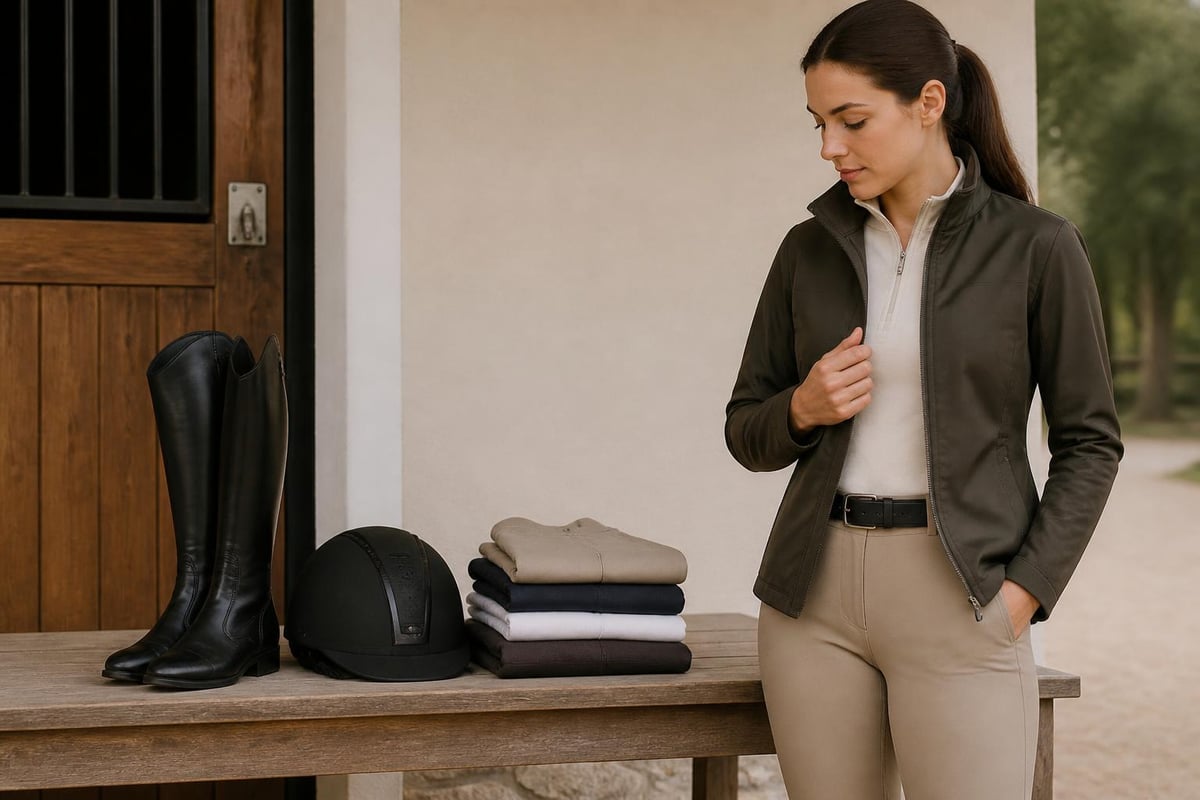
Your foundation starts with proper riding trousers. Traditional breeches or jodhpurs aren't just about tradition - they're designed with features that make hours in the saddle more comfortable. The reinforced seat and inner leg panels prevent chafing and give you better grip than regular trousers ever could. Modern technical fabrics wick moisture and move with you, essential when you're working hard.
Footwear deserves careful attention. Riding boots with a defined heel prevent your foot slipping through the stirrup, a safety feature that's saved countless riders from serious injury. Whether you choose tall boots, paddock boots with half chaps, or something in between depends on your discipline and personal preference.
Safety Equipment That's Non-Negotiable
Some horseback riding stuff exists solely to keep you safe. These pieces aren't optional.
A properly fitted helmet tops the list. Modern riding helmets meet specific safety standards and should be replaced after any significant impact or every five years. The statistics on horseback riding injuries make clear why this matters - head injuries account for a significant portion of serious riding accidents. Finding one that fits properly means trying several on, ensuring it sits level on your head without pressure points.
Body protectors offer additional protection, particularly if you're jumping or working with young horses. These vests absorb impact to your torso and spine. While not mandatory in all disciplines, they're worth considering based on your riding activities.
Gloves protect your hands and improve grip on the reins. They're especially valuable in cold weather or when your horse gets strong. Technical riding gloves balance feel with protection, letting you maintain subtle communication through the reins.
Building a Practical Riding Wardrobe
Your riding wardrobe should work as hard as you do. The key is choosing horseback riding stuff that transitions seamlessly between different riding activities and daily life.
Quality shirts matter more than you might expect. Technical polo shirts or button-downs in moisture-wicking fabrics keep you comfortable during intense rides while looking presentable enough for lunch afterwards. Long sleeves protect your arms from sun and scratches, worth considering for trail riding or stable work.
Layering becomes crucial as seasons change. A good base layer regulates temperature in winter, while a waterproof jacket protects you from sudden weather changes without restricting movement. New Zealand riders know this particularly well - weather can shift dramatically during a single ride.
The beauty of modern men's equestrian clothing lies in its versatility. Well-designed pieces don't scream "riding clothes" when you're grabbing coffee or running errands, yet they perform brilliantly in the saddle.
Creating Your Seasonal Rotation
Different seasons demand different horseback riding stuff. Planning ahead prevents last-minute purchases.
Summer essentials: Lightweight breeches in technical fabrics, breathable shirts with UV protection, and a wide-brimmed helmet or cap for sun protection. Ventilation becomes critical - look for mesh panels and breathable zones.
Winter requirements: Thermal base layers, insulated breeches or winter-weight riding tights, waterproof outerwear, and thermal gloves thin enough to maintain rein feel. Layering works better than single heavy pieces, giving you flexibility as you warm up.
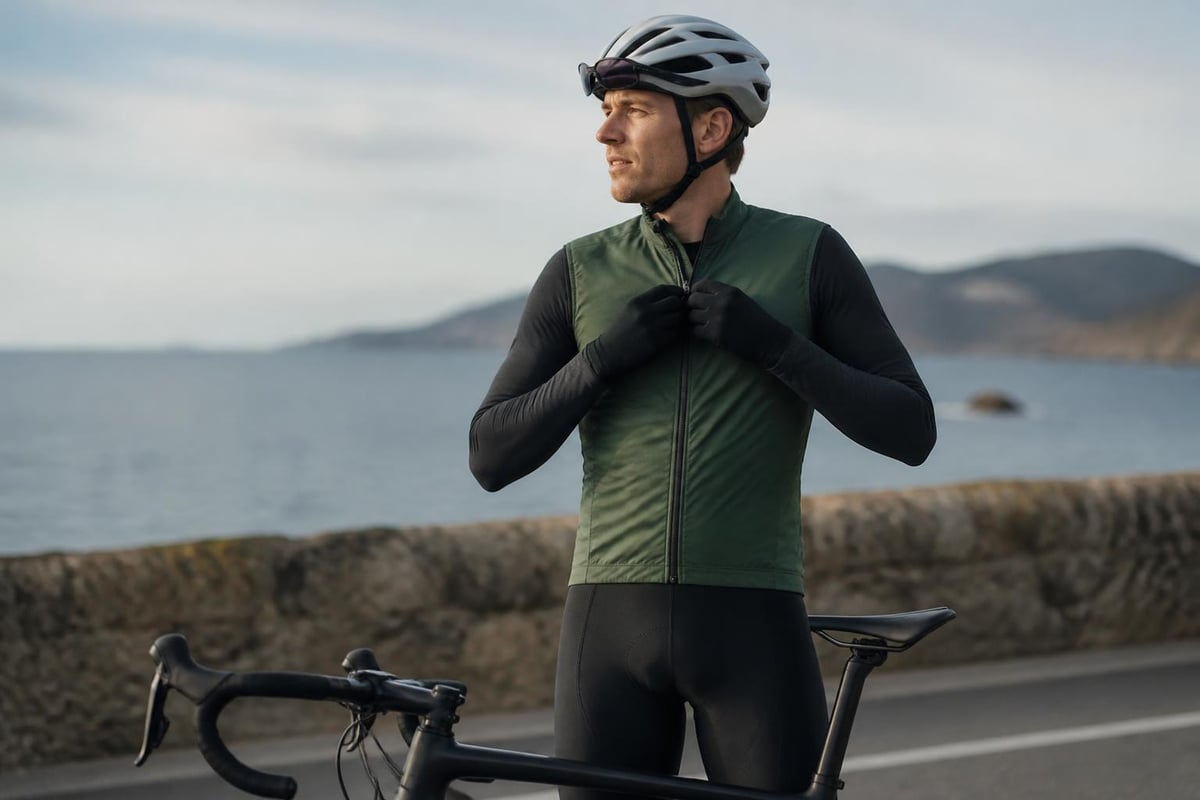
Transition seasons: These are where your wardrobe earns its keep. Gilets, mid-weight jackets, and versatile layering pieces let you adapt quickly. A quality softshell jacket handles light rain and wind without overheating.
| Season | Core Pieces | Key Features | Priority Level |
|---|---|---|---|
| Summer | Lightweight breeches, breathable shirts | Moisture-wicking, UV protection | Essential |
| Winter | Thermal layers, insulated breeches, waterproof jacket | Wind-resistance, warmth, flexibility | Essential |
| Spring/Autumn | Mid-weight layers, gilet, softshell | Versatility, packability, quick-dry | High |
| Year-round | Quality boots, helmet, gloves | Safety standards, proper fit, durability | Critical |
Understanding Quality in Horseback Riding Stuff
Not all riding gear is created equal. Understanding what separates decent from excellent helps you invest wisely.
Construction quality shows in the details. Flatlock seams prevent chafing during long rides. Reinforced stress points extend garment life significantly. Quality zippers and closures withstand daily use without failing. These aren't luxury features - they're practical elements that prove their worth over time.
Fabric technology has evolved dramatically. Modern technical fabrics offer four-way stretch, moisture management, and durability that natural fibers can't match. That said, some traditional materials still have their place. The best approach combines innovation with proven performance.
When evaluating horseback riding stuff, consider cost per wear rather than initial price. A well-made jacket that lasts five years and looks good throughout costs less than replacing cheap alternatives annually. This applies across all categories from breeches to outerwear.
Fit Matters More Than Brand
The finest horseback riding stuff won't perform if it doesn't fit properly. This is particularly true for men, where sizing can vary dramatically between brands.
Breeches should sit comfortably at your natural waist without gapping or pinching. The seat and inner leg panels should lie flat against your skin without bunching. Length matters too - they should reach the top of your boot without excess fabric pooling at the ankle.
Jackets need room through the shoulders for movement while remaining close enough to your body that they don't flap in wind or catch on fences. Sleeves should allow full arm extension without riding up excessively. Proper equestrian attire fits the activity, not fashion trends.
Boots require particular attention. They should feel snug initially - leather stretches with wear. Your heel should sit firmly in place without slipping, while toes have just enough room to move slightly. Breaking in new boots takes time, but they shouldn't cause pain from the first wear.
Tack and Equipment Beyond Clothing
While personal horseback riding stuff gets most attention, understanding tack basics helps you ride safely and effectively.
Your saddle matters enormously, though most riders use what their stable provides initially. Understanding fit - both for you and the horse - helps you recognize problems early. A saddle that doesn't fit causes discomfort for both parties and affects your position. The essential riding gear overview from Horse Pilot covers the fundamentals well.
Bridles and bits represent another area where quality matters. Cheap leather deteriorates quickly and can become unsafe. Proper maintenance extends life significantly - regular cleaning and conditioning prevent cracking and breakage.
Grooming kit, while not strictly riding equipment, belongs in your essential horseback riding stuff. A basic kit includes hoof pick, body brush, curry comb, and mane comb. Keeping your horse clean and well-groomed isn't just about appearance - it's about monitoring their condition and building trust.
Maintenance Extends Equipment Life
Taking care of your horseback riding stuff ensures it performs when needed and lasts significantly longer.
Leather requires regular attention. Clean boots and tack after each use, removing dirt and sweat before they damage the material. Condition regularly to maintain suppleness and prevent cracking. Store in cool, dry conditions away from direct sunlight.
Technical fabrics need different care. Most modern riding clothes machine wash easily, but avoid fabric softeners which can affect moisture-wicking properties. Air drying extends garment life compared to tumble drying. Check care labels - some pieces require specific treatment.
Helmets need inspection before each ride. Check for cracks, loose padding, or damaged straps. Store them carefully - dropping a helmet can compromise its protective capability even if damage isn't visible. Following injury prevention guidelines from orthopaedic surgeons includes proper equipment care.
Making Smart Purchases
Building your collection of horseback riding stuff requires strategy, not just spending power.
Start with absolute essentials: helmet, boots, breeches, and appropriate shirt. These pieces enable you to ride safely and comfortably. Add items as needs become apparent rather than buying everything at once. You'll make better choices once you understand your riding style and preferences.
Consider used equipment for certain items. Quality boots and saddles often last decades with proper care. However, never compromise on safety equipment - helmets, especially, should be purchased new to ensure they meet current standards and haven't been compromised.
Research before purchasing. Read reviews from actual riders, not just marketing material. When possible, try items on in person. Online shopping offers convenience and selection, but fit issues create hassles. Many riding clothes brands offer detailed size guides and generous return policies.
Investment Pieces Versus Everyday Items
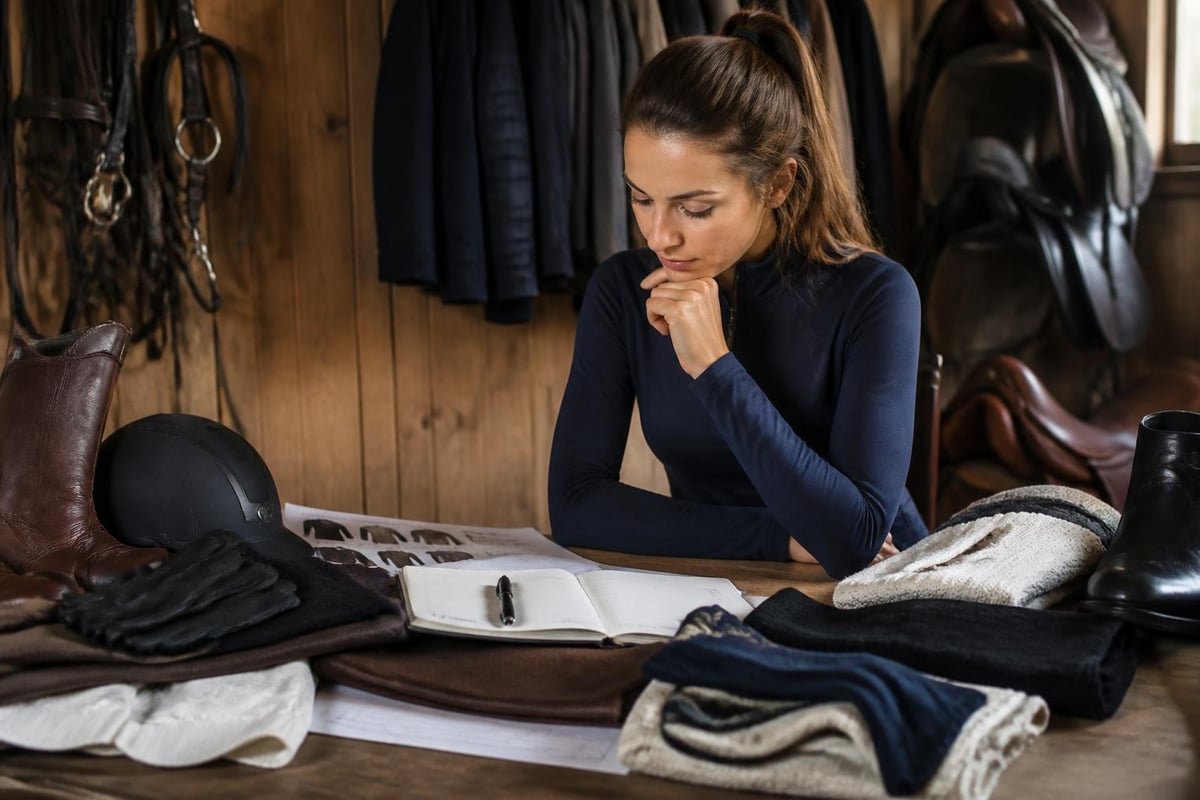
Some horseback riding stuff deserves premium investment while other pieces don't require top-tier spending.
Worth the investment:
Quality boots last years and directly affect comfort and safety. A well-made jacket protects you in all weather while looking sharp enough for any occasion. Premium breeches with advanced fabrics and construction deliver noticeably better performance and durability.
Budget-friendly options work fine:
Basic cotton or synthetic blend shirts for everyday riding. Starter grooming kits. Simple gloves for warm-weather riding. These items wear out faster regardless of quality, or you'll want to upgrade as preferences develop.
| Item Category | Investment Level | Why | Expected Lifespan |
|---|---|---|---|
| Riding boots | High | Safety, comfort, durability | 5-10 years |
| Helmet | High | Safety critical, standards compliance | 5 years max |
| Breeches (primary pair) | High | Daily comfort, performance | 2-4 years |
| Weather protection jacket | High | Versatility, durability, comfort | 3-6 years |
| Base layers | Medium | Regular washing wear, technology advances | 1-2 years |
| Summer shirts | Medium | Seasonal use, style changes | 1-3 years |
| Casual riding polo | Low-Medium | Frequent washing, everyday wear | 1-2 years |
Adapting Your Kit to Riding Discipline
Different riding styles demand specific horseback riding stuff. Understanding these differences prevents unnecessary purchases while ensuring you're properly equipped.
Dressage traditionally requires more formal presentation. Competition demands white or light-coloured breeches, specific jacket styles, and tall boots. Training sessions allow more flexibility, but the focus remains on clean, proper turnout.
Show jumping and eventing prioritize freedom of movement. Breeches often feature grip systems rather than leather patches. Jackets need shoulder flexibility for the jumping position. Safety equipment becomes even more critical given the nature of the sport.
Trail and pleasure riding offers the most flexibility in horseback riding stuff. Comfort and practicality take priority over tradition. Safety on trails requires visibility elements, weather protection, and durable gear that handles varied terrain.
Cross-Training and Versatility
The best horseback riding stuff works across multiple riding scenarios. This versatility saves money and simplifies your wardrobe.
Neutral colours in breeches - navy, charcoal, black, tan - work for training, hacking, and most competitions. They hide dirt better than lighter shades while remaining appropriate for formal settings. Quality construction ensures they perform whether you're schooling dressage or heading out for a trail ride.
Layering pieces shine here. A good quarter-zip base layer works under show jackets, casual shirts, or winter coats equally well. A versatile softshell jacket transitions from morning stable chores to afternoon riding to evening errands without looking out of place anywhere.
Building a capsule wardrobe approach to your horseback riding stuff means each piece earns its place by serving multiple functions. This minimizes clutter while ensuring you're always appropriately dressed.
Beyond the Basics: Upgrading Your Experience
Once you've covered essentials, certain horseback riding stuff elevates your riding experience noticeably.
Quality half chaps transform paddock boots into a versatile system. They're easier to fit than tall boots, more affordable to replace, and work across seasons with different weight options. Leather half chaps develop character with use while providing excellent grip.
Technical base layers make significant difference in temperature extremes. Merino wool blends regulate temperature naturally, resist odour, and remain comfortable across wide temperature ranges. They're worth the investment for year-round riders.
A proper riding belt does more than hold up your breeches - it completes your silhouette and adds a professional touch. Quality leather belts last indefinitely with basic care while elevating even casual riding outfits.
Small Details That Make Big Differences
Sometimes the smallest horseback riding stuff creates disproportionate improvements to your riding experience.
Spur rests on boots, even if you don't currently use spurs, provide options as your riding develops. Smartphone pockets in breeches let you carry essentials safely during rides. Reflective trim on jackets or accessories dramatically improves visibility during early morning or evening rides.
Padded boot socks prevent blisters and add comfort during long rides. They're particularly valuable when breaking in new boots or during multi-hour trail rides. Quality makes a difference here - cheap socks bunch and slide while premium options stay in place.
Belt loops positioned correctly prevent your shirt riding up when mounted. Strategically placed ventilation panels in jackets and shirts improve comfort without compromising appearance. These details separate adequate horseback riding stuff from truly excellent gear.
Common Mistakes to Avoid
Understanding what doesn't work saves time and frustration when building your collection of horseback riding stuff.
Buying purely for aesthetics is perhaps the most common error. That striking jacket might look brilliant in the shop but proves useless if it restricts movement or can't handle weather. Function must lead design choices, though the two aren't mutually exclusive with quality gear.
Ignoring proper fit creates problems quickly. Breeches that gap at the waist slide down constantly. Boots that fit poorly cause blisters and affect your position. Taking time to find correct sizing prevents these issues entirely.
Neglecting maintenance shortens equipment life dramatically. Quality horseback riding stuff withstands hard use when properly cared for. Skipping cleaning and conditioning means replacing items years earlier than necessary. Ten minutes after each ride preserves hundreds of pounds worth of gear.
Budget Traps and False Economy
Cheap horseback riding stuff rarely proves economical long-term. Items that wear out in months cost more than quality alternatives that last years.
Extremely low-priced breeches often use fabrics that pill, fade, or lose stretch quickly. Seams fail. Stitching unravels. You'll replace them within a season, spending more overall than investing in quality initially would have cost.
That said, you needn't buy the most expensive option in every category. Understanding where to invest and where adequate quality suffices makes your budget work harder. The sweet spot often sits in the mid-range - professional quality without paying for premium brand names.
Watch for false sales and marketing hype. Genuine performance features justify higher prices. Buzzwords without substance don't. Learning to distinguish between the two helps you make informed decisions about your horseback riding stuff.
Getting the right horseback riding stuff isn't complicated once you understand what actually matters. Focus on safety, proper fit, and quality construction in that order. Everything else builds from there. Whether you're just starting out or refining a wardrobe you've built over years, having gear that works with you rather than against you makes every ride better. Gallant Equestrian designs men's riding clothing that delivers on both performance and style - pieces built to handle serious riding while looking sharp enough for wherever your day takes you. Look the Part. Enjoy the Ride.

