

Showmanship Clothing Guide for Men in 2026
May 08, 2026
When you step into the show ring for a showmanship class, your appearance matters as much as your horse's turnout. Showmanship clothing represents more than just fabric and boots; it's a statement of professionalism, respect for the sport, and your commitment to presenting both yourself and your horse to the highest standard. For men in equestrian disciplines, understanding what to wear and why certain choices matter can make the difference between a polished presentation and a missed opportunity. This guide explores the practical side of showmanship attire, from traditional requirements to modern performance options that work for riders who demand both function and style.
Understanding Showmanship Clothing Requirements
Showmanship classes judge the handler's ability to present a horse, not the horse's performance alone. Your clothing plays a supporting role in creating a complete picture of competence and care. Different disciplines have established standards, but certain principles remain consistent across all showmanship events.
The foundation of proper showmanship clothing starts with understanding your specific discipline's guidelines. North Dakota State University Extension provides comprehensive livestock showmanship guidance that emphasizes neat, appropriate clothing choices. For equestrian showmanship, the standards often mirror broader equitation requirements with particular attention to how your clothing allows you to move and handle your horse effectively.
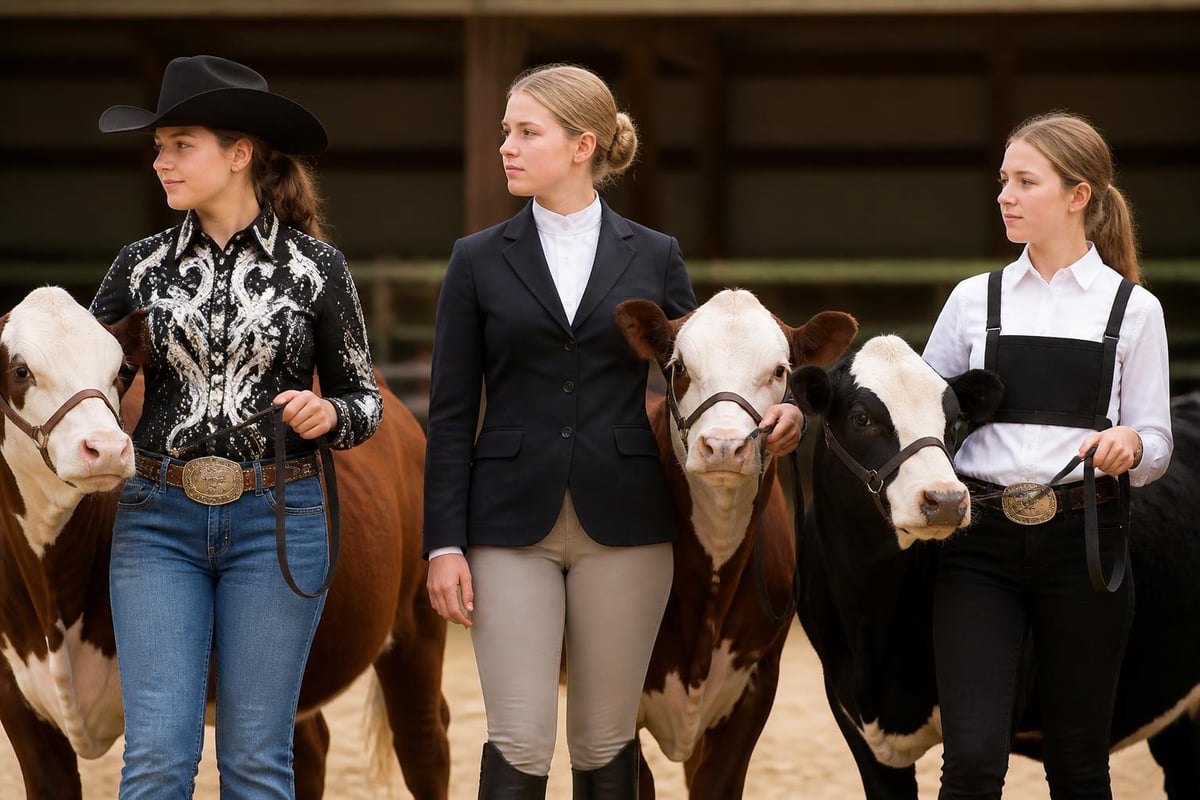
Traditional showmanship clothing for men typically includes long-sleeved shirts, dress trousers or breeches depending on discipline, proper footwear, and appropriate headwear. The Montana State University Extension horse showmanship guidelines detail how exhibitor attire contributes to the overall impression of a well-groomed, properly conditioned horse. Your clothing should never distract from your horse but should complement the presentation you're creating together.
Western Showmanship Clothing Standards
Western showmanship clothing follows distinct traditions rooted in working ranch heritage. Men typically wear long-sleeved western shirts with collars, pressed jeans or western dress trousers, western boots, and a cowboy hat or appropriate western headwear. The clothing should be neat, conservative, and allow free movement during the pattern and setup.
Belt buckles can add personality but shouldn't be overly large or distracting. Your shirt should fit properly without being too tight or loose, and your trousers should have a clean break at the boot top. Many exhibitors choose solid colors or subtle patterns that won't draw the judge's eye away from the horse's movement and your handling technique.
English Showmanship Presentation
English showmanship clothing takes a more formal approach. Men wear hunt coats or show jackets, breeches or jodhpurs, tall boots or jodhpur boots with gaiters, and often a riding helmet or hunt cap depending on the specific class requirements. According to the Nebraska 4-H Horse Show Judging Guide, exhibitor appearance forms a crucial element in effective horse presentation.
The color palette typically stays conservative with navy, black, grey, or dark green jackets paired with tan, beige, white, or pale-colored breeches. Your shirt should be light-colored with a collar and tie or stock tie depending on the formality level. Gloves are often required or strongly recommended, serving both practical and aesthetic purposes.
Fabric Technology and Performance Considerations
Modern showmanship clothing has evolved beyond purely traditional materials. Today's performance fabrics offer breathability, stretch, and moisture management without sacrificing the polished appearance required in the show ring. This matters particularly for men who compete in various weather conditions or during long show days.
Technical breeches made from four-way stretch fabrics allow full range of motion while maintaining their shape and crisp appearance throughout the day. These fabrics typically incorporate polyester blends with spandex or elastane, offering durability and easy care. The best quality riding clothes brands now design men's showmanship clothing that performs under pressure while looking appropriately traditional.
| Fabric Type | Benefits | Best Use Case |
|---|---|---|
| Cotton/Poly Blend | Breathable, traditional look | Cooler weather shows |
| Technical Four-Way Stretch | Movement, moisture-wicking | All-day competitions |
| Merino Wool Blend | Temperature regulation, odor resistance | Variable conditions |
| Performance Cotton | Classic appearance, improved durability | Shirts and show coats |
Moisture-wicking properties become essential during summer shows or when you're working intensively with your horse before entering the ring. Your showmanship clothing should keep you comfortable and dry, preventing visible perspiration that can detract from your polished appearance. Advanced fabric treatments now offer UV protection, stain resistance, and quick-drying capabilities that prove invaluable during busy show weekends.
Fit and Tailoring Specifics
Proper fit separates adequate showmanship clothing from truly professional presentation. Men's equestrian clothing should follow your body's natural lines without restricting movement or appearing baggy. The jacket shoulder seam should sit precisely at your shoulder point, sleeves should reach your wrist bone, and the jacket length should cover your seat when mounted but not extend too far below.
Breeches require particular attention to fit. They should sit comfortably at your natural waist without requiring a belt to hold them up, though a belt adds a finished appearance. The knee patch or full seat should align properly with your leg position, and the lower leg should fit smoothly without excess fabric bunching inside your boots. Gallant Equestrian's size guides help ensure you select the correct dimensions for optimal fit and performance.
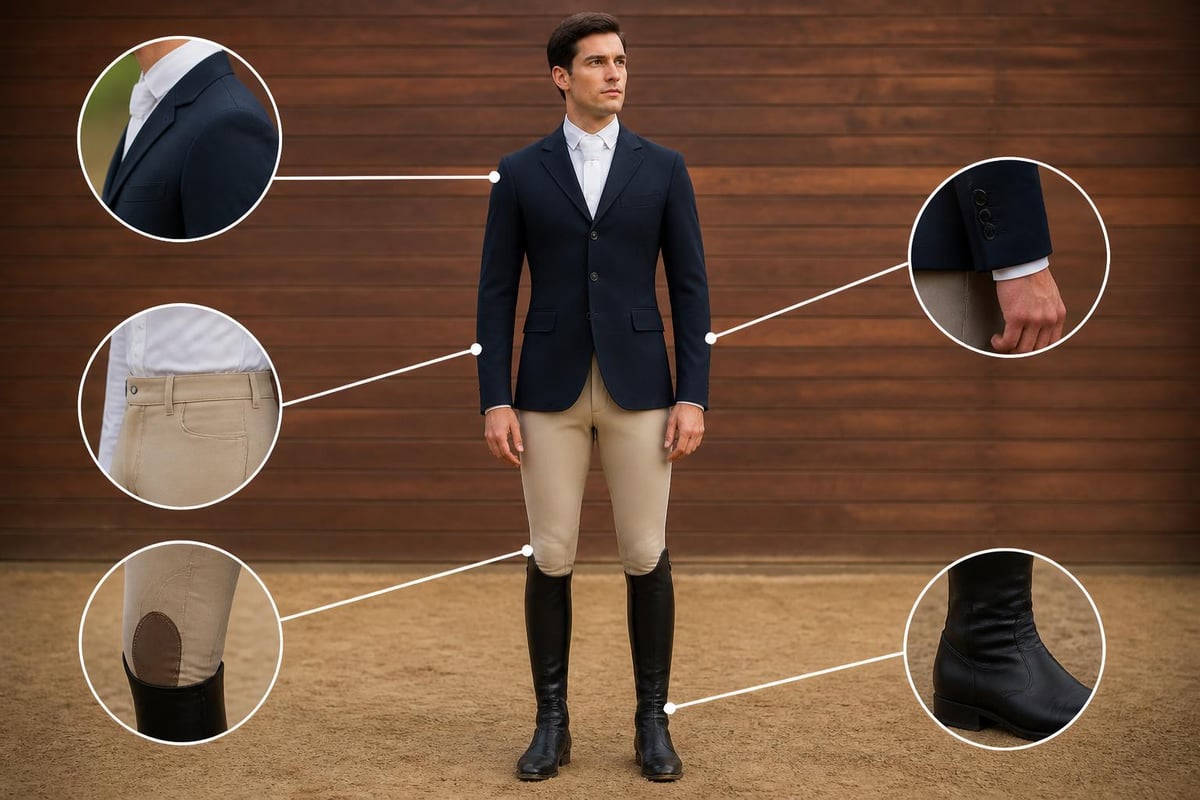
Shirts should allow comfortable arm movement when raising your hand during the pattern or setting up your horse. Too tight and you'll restrict your motion; too loose and you'll appear sloppy. Most showmanship exhibitors choose fitted rather than slim or relaxed cuts, creating a professional silhouette without compromising function. Consider having your show clothing professionally tailored if off-the-rack options don't achieve the precise fit required for competitive presentation.
Color Selection and Visual Impact
Color choices in showmanship clothing carry more weight than personal preference alone. Traditional colors dominate because they photograph well, don't distract from the horse, and convey professionalism and respect for established standards. Men typically work within a narrower color range than some other equestrian disciplines, focusing on navy, black, grey, brown, and occasionally dark green or burgundy.
Light-colored breeches in tan, beige, or grey create a classic, clean appearance particularly favored in English disciplines. They provide visual contrast against darker jackets and help judges see your leg position and movement during the presentation. Western showmanship often pairs darker jeans or trousers with lighter shirts, though reverse combinations work depending on the overall look you're creating.
Strategic Color Pairing
Your showmanship clothing colors should coordinate without being overly matched. A navy jacket pairs well with tan breeches and a light blue shirt. Black coats work with grey breeches and white shirts. The goal is creating a cohesive, professional appearance where no single element demands excessive attention. Your horse remains the focal point; your clothing supports that presentation rather than competing with it.
Avoid extremely bright colors, busy patterns, or trendy details that date quickly. Showmanship rewards timeless, conservative choices that demonstrate you understand and respect the discipline's traditions. That doesn't mean boring; proper fit, quality fabrics, and subtle details like well-chosen buttons or contrast stitching add personality within appropriate boundaries.
Footwear and Accessories
Boots constitute a critical component of showmanship clothing, serving both functional and aesthetic purposes. In English disciplines, tall boots in black or brown leather present the traditional standard. They should fit properly through the calf without gaps or excessive tightness, and the foot should be comfortable for extended standing and walking. Quality equestrian apparel resources emphasize matching your boot color to your belt for a coordinated appearance.
Western showmanship requires western boots, typically in conservative colors and styles. Avoid excessive stitching, bright colors, or novelty designs. Your boots should be clean and polished, showing the same attention to detail you've applied to grooming your horse. The heel should be appropriate for safe movement and the sole should provide good traction in various footing conditions.
Belts serve as both functional items and finishing details. Choose quality leather in brown or black, matching your boots and keeping the buckle size reasonable. Gloves protect your hands and create a finished appearance in many showmanship classes. Select gloves in neutral colors that coordinate with your overall outfit, ensuring they fit well enough to maintain dexterity when handling your horse.
Discipline-Specific Variations
Different breeds and disciplines maintain their own showmanship clothing expectations. Understanding these nuances ensures you present appropriately for your specific competitive environment. The Equine Sports Council's equitation rules provide detailed guidance on formal riding attire requirements that often extend to showmanship classes within those organizations.
Quarter Horse showmanship traditionally favors western attire with particular attention to coordinated outfits that don't overwhelm the horse's appearance. Arabian showmanship may incorporate slightly different styling while maintaining professional standards. Warmblood and sport horse showmanship typically follows hunter or sport horse presentation guidelines with formal English attire.
Breed Association Standards
Many breed associations publish specific showmanship clothing requirements in their rulebooks. These often address acceptable colors, required items, prohibited accessories, and general presentation expectations. Review your breed association's current rules before purchasing new showmanship clothing, as requirements can evolve and vary between organizations.
Youth divisions sometimes allow more flexibility than adult classes, though professional presentation remains important regardless of age. Open shows may have looser standards than breed-specific competitions, but maintaining high presentation quality serves you well across all competitive environments. When in doubt, choose more conservative, traditional options that respect the discipline's heritage.
Practical Preparation and Maintenance
Owning proper showmanship clothing represents only half the equation; maintaining it properly ensures you always present your best appearance. Develop systems for cleaning, storing, and transporting your show clothes that protect your investment and keep everything ready when needed.
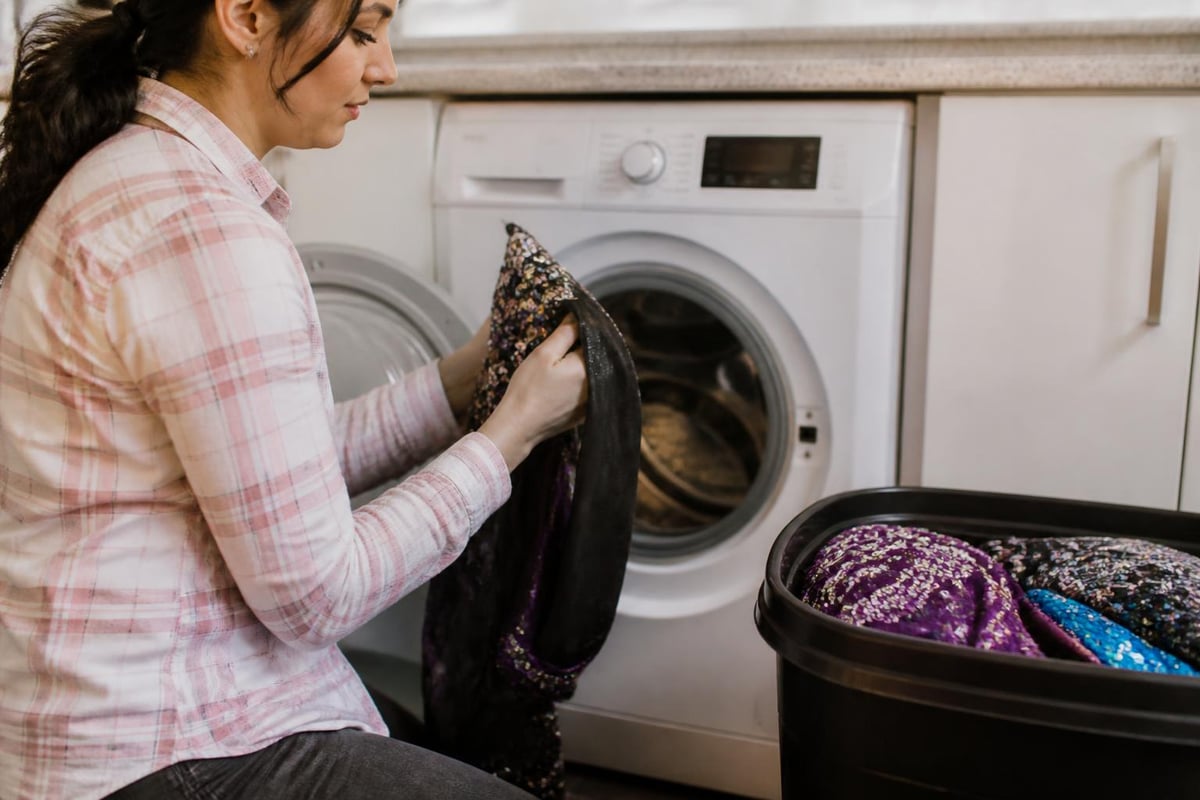
Quality show coats require professional dry cleaning or careful home care according to fabric specifications. Breeches can often be machine washed on gentle cycles with specialized equestrian clothing detergent, then line dried to prevent shrinkage and maintain elasticity. Shirts should be laundered, starched if appropriate for your discipline, and pressed before each use. Keep a lint roller in your show bag for last-minute touch-ups before entering the ring.
| Garment | Cleaning Method | Storage Recommendation |
|---|---|---|
| Show Coat | Professional dry cleaning or hand wash | Breathable garment bag, padded hanger |
| Breeches | Gentle machine wash, line dry | Folded or hung by waistband |
| Show Shirt | Machine wash, press | Hung on proper hanger |
| Boots | Wipe clean, condition leather | Boot trees, dust-free area |
Transport your showmanship clothing in garment bags to prevent wrinkling and protect from barn dust during travel. Pack a small emergency kit including stain remover, safety pins, spare buttons, and a portable steamer or wrinkle release spray. These simple preparations prevent last-minute presentation problems that could undermine your careful preparation.
Investment Strategy and Budget Considerations
Building a showmanship clothing wardrobe requires thoughtful investment rather than impulsive purchases. Start with essential, versatile pieces in classic colors that work across multiple classes and shows. Quality matters more than quantity; one well-fitting, durable show coat serves better than three poorly constructed alternatives.
Gallant Equestrian's competition breeches demonstrate how modern performance materials justify their cost through durability, comfort, and maintained appearance across many competitions. Budget for pieces that will last multiple seasons rather than seeking the lowest initial price. Factor in tailoring costs when calculating your true investment in quality showmanship clothing.
Consider building your wardrobe strategically over time. Purchase your jacket and primary breeches first, adding secondary items as budget allows. Watch for end-of-season sales on classic pieces that won't go out of style. Join your breed association or discipline organization to access member discounts from approved vendors. Quality equestrian clothing represents a significant investment, but proper pieces maintained well serve you for years.
Modern Innovations in Traditional Formats
Contemporary showmanship clothing designers now incorporate technical innovations within traditional silhouettes. You'll find show coats with hidden stretch panels that look completely traditional from the outside while offering modern mobility. Breeches feature strategic ventilation that isn't visible but significantly improves comfort during warm weather competition.
Water-resistant treatments on show coats protect against unexpected weather without changing the fabric's appearance or drape. Antibacterial fabric treatments in shirts and breeches combat odor during long show days. These technologies enhance performance without compromising the classic appearance required in the show ring. The best modern showmanship clothing balances innovation with tradition, giving you every advantage while respecting the discipline's aesthetic standards.
Some manufacturers now offer made-to-measure showmanship clothing at accessible price points, using technology to create custom patterns from your measurements. This ensures optimal fit without traditional bespoke tailoring costs. For men who find standard sizing challenging, these services provide professional presentation options that truly work for your body type.
Regional and Climate Adaptations
Showmanship clothing requirements remain consistent regardless of geography, but practical considerations vary by climate. Competitors in warmer regions face particular challenges maintaining polished appearances during hot weather shows. North Carolina State's swine showmanship guidelines emphasize appropriate attire that balances safety, presentation, and comfort considerations.
Lightweight show coats in breathable fabrics help manage heat without sacrificing appropriate appearance. Some organizations allow riders to remove jackets under extreme conditions, though checking specific rules prevents protocol violations. Base layers in moisture-wicking fabrics worn under show shirts keep you dry and comfortable without adding visible bulk.
Cold weather presents different challenges, particularly for outdoor winter shows or covered arenas without heating. Layering becomes essential, choosing thin base layers under show shirts and potentially thermal breeches under standard show breeches. Quality rain jackets designed for equestrian use protect your show clothing during inclement weather while maintaining professional appearance when required for the class.
Competition Day Execution
All your showmanship clothing preparation culminates in competition day performance. Create a systematic approach to dressing that ensures nothing gets forgotten and everything achieves proper presentation. Start with clean, pressed clothing laid out in the order you'll put them on. This prevents last-minute scrambling and reduces stress before entering the ring.
Dress early enough to allow time for adjustments without rushing. Put on your breeches first, ensuring proper positioning before adding boots. Add your shirt, tucking it smoothly and evenly. Don your show coat, checking sleeve length and making sure collar and shoulders sit properly. Finish with any required accessories like helmets, gloves, or number holders.
Perform a final appearance check before heading to the warm-up area. Look for loose threads, stray hairs, incorrect buttoning, or anything that could detract from your polished presentation. Have a trusted friend or trainer do a final inspection, checking your back view and overall impression from all angles. These extra moments ensure your careful preparation translates to flawless ring presentation.
Understanding showmanship clothing requirements and choosing appropriate pieces positions you for competitive success while honoring equestrian traditions. Whether you compete in Western or English disciplines, investing in quality garments that fit properly and perform reliably gives you confidence in the ring. Gallant Equestrian offers performance-driven men's equestrian clothing designed to meet the demands of competition while transitioning seamlessly to everyday riding. From technical breeches that maintain their appearance through long show days to versatile jackets that work in multiple settings, you'll find the pieces you need to present your best in any showmanship class. Look the Part. Enjoy the Ride.

