

Equestrian Apparel Stores: Your 2026 Shopping Guide
Apr 15, 2026
Finding the right equestrian apparel stores matters more than you might think. The difference between a shop that understands riders and one that simply stocks gear shows up in every detail, from fabric choices to cut and construction. For men who ride seriously, the search for quality equestrian clothing often feels like navigating a landscape designed for someone else. Yet as the sport evolves and the market responds, specialist retailers are emerging that actually understand what male riders need.
What Defines Quality Equestrian Apparel Stores
The best equestrian apparel stores share several defining characteristics that separate them from general sporting goods retailers or generic online marketplaces. These shops understand that riding clothing serves dual purposes: performance in the saddle and presentation everywhere else.
Specialist Knowledge and Rider-First Service
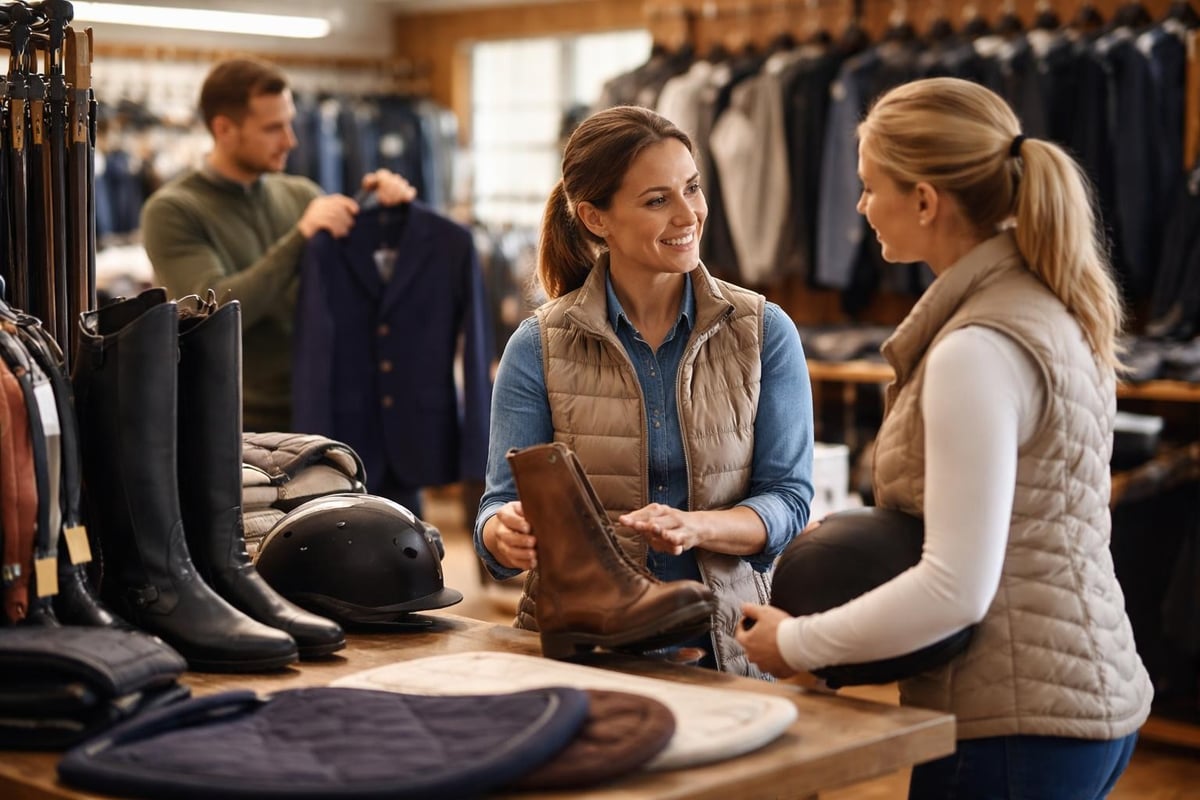
True specialist retailers employ staff who actually ride. They understand fabric breathability during summer competitions, the importance of proper stretch in breeches, and why seam placement matters when you're spending hours in the saddle. This knowledge translates into recommendations that work, not just sales pitches.
When you walk into a quality store or browse their online platform, you'll notice they speak your language. They discuss four-way stretch, moisture-wicking properties, and durability through countless wash cycles. They know that men's riding clothing needs differ from women's, not just in sizing but in cut, proportion, and functional design.
Product Range and Brand Curation
Top equestrian apparel stores curate their collections carefully. Rather than stocking everything available, they select brands that consistently deliver on quality, performance, and durability. This curation means you're not wading through dozens of mediocre options to find the one piece worth buying.
The global equestrian apparel market continues to expand as more riders demand specialized performance wear, pushing retailers to refine their offerings. Stores responding to this shift focus on technical innovation, sustainable materials, and designs that transition seamlessly from stable to street.
For men specifically, this means finding retailers that stock proper men's cuts rather than simply offering unisex options that rarely fit right. The difference shows in shoulder width, torso length, and hip-to-waist ratios that actually match male proportions.
The Specialist Advantage: Performance-Focused Retailers
Specialist equestrian apparel stores invest in understanding what riders actually need rather than following fashion trends that ignore function. This approach creates tangible benefits when you're selecting gear.
Technical Fabric Innovation
Leading retailers partner with brands that push fabric technology forward. Modern riding wear incorporates moisture management systems, four-way stretch for unrestricted movement, and reinforcement in high-wear zones. These aren't marketing buzzwords but measurable improvements that affect your comfort and the garment's lifespan.
Consider how men's equestrian breeches have evolved beyond simple cotton twill. Quality retailers now stock options with strategically placed stretch panels, silicone grip systems, and fabrics that maintain their shape through hundreds of rides. This evolution reflects shops listening to riders rather than just selling what manufacturers produce.
Seasonal Collection Planning
Experienced equestrian apparel stores plan their inventory around the riding calendar, not just traditional retail seasons. They understand that winter riding demands different solutions than summer competitions. Waterproof riding jackets for men appear in stock before autumn weather arrives, not after you've already suffered through three cold, wet rides.
This forward planning extends to competition seasons, training periods, and regional climate variations. Stores serving riders in different hemispheres stock appropriately for local conditions rather than following a one-size-fits-all calendar.
Comparing Retail Formats: What Works Best
Different store formats serve different needs. Understanding these distinctions helps you shop more effectively.
| Store Type | Strengths | Limitations | Best For |
|---|---|---|---|
| Specialist Boutiques | Expert staff, curated selection, personalized service | Limited inventory depth, higher prices | First-time buyers, custom fitting |
| Online Specialists | Wide selection, competitive pricing, detailed sizing | No in-person fitting, return logistics | Experienced riders who know their size |
| Tack Shops with Apparel | Convenient one-stop shopping, established relationships | Apparel as secondary focus, limited men's options | Basic needs, casual riders |
| Direct-to-Consumer Brands | Transparent pricing, focused vision, brand consistency | Single brand focus, sizing uncertainty | Brand loyalists, specific style preferences |
The Rise of Performance-Focused Direct Brands
Traditional equestrian apparel stores face increasing competition from brands selling directly to riders. These companies eliminate retail markup while maintaining control over their brand experience and customer relationships.
This model works particularly well for men's riding wear, where the market has historically been underserved. Brands like Gallant Equestrian focus exclusively on creating performance-driven equestrian clothing designed specifically for men, addressing gaps that general retailers often miss.
The direct approach allows for faster innovation cycles, immediate customer feedback integration, and pricing that reflects actual production costs rather than multiple retail markups.
What to Look for When Choosing Where to Shop
Selecting the right equestrian apparel stores for your needs requires evaluating several factors beyond just price or convenience.
Return and Exchange Policies
Riding clothing needs to fit properly to perform correctly. The best stores recognize this with generous return windows and straightforward exchange processes. Look for retailers offering at least 30-day returns, free return shipping, and the ability to exchange sizes without penalties.
This matters especially when buying online, where you're judging fit from measurements and photos rather than trying items on. Stores confident in their products make returns easy because they know quality gear, properly fitted, rarely comes back.
Sizing Guidance and Support
Quality equestrian apparel stores provide comprehensive sizing information that goes beyond basic chest and waist measurements. They offer guidance on how different fabrics fit, where items should sit on your body, and how to measure yourself accurately.
The better shops include detailed size guides specific to each product line, sometimes with video demonstrations or comparison charts showing how their sizing relates to other brands. This investment in customer education reduces returns and increases satisfaction.
Customer Reviews and Transparency
Look for stores that display honest customer feedback, including negative reviews. This transparency indicates confidence in their products and willingness to address issues openly. Reviews from other male riders prove particularly valuable, as they'll mention fit issues or performance details relevant to your needs.
According to recent market analysis, transparency and authentic customer feedback increasingly drive purchasing decisions in equestrian apparel, with riders valuing peer recommendations over traditional advertising.
Regional Considerations and Market Variations
Equestrian apparel stores operate in diverse markets with distinct characteristics shaped by local riding culture, climate, and purchasing power.
Northern Hemisphere vs Southern Hemisphere Availability
Riders in the Southern Hemisphere often face limited options, as most major brands and retailers focus primarily on Northern markets. This creates seasonal mismatches where winter gear arrives during summer months, and new collections launch at impractical times.
Brands designed in countries like New Zealand understand these challenges firsthand. They plan collections around Southern Hemisphere seasons while maintaining global availability, ensuring riders everywhere access appropriate gear when they actually need it.
Urban Specialists vs Rural Generalists
Location influences how equestrian apparel stores operate. Urban specialist boutiques typically stock higher-end performance wear and fashion-forward pieces, catering to riders who value style alongside function. Rural tack shops often emphasize practicality and value, serving working riders and those focused purely on performance.
Neither approach is inherently superior. Your ideal store depends on your riding discipline, aesthetic preferences, and how you use your equestrian clothing beyond the stable.
The Men's Riding Wear Gap and How Stores Address It
For decades, equestrian apparel stores treated men as an afterthought, offering limited selections that seemed designed by simply shrinking women's styles. This created frustration among male riders seeking gear that actually fit and functioned properly.
Understanding Male Rider Needs
Men's bodies distribute weight differently, move differently, and require different proportions in riding wear. Shoulders tend to be broader, hips narrower, and torso longer. These aren't minor variations that unisex sizing accommodates-they're fundamental differences that affect comfort and performance.
Progressive equestrian apparel stores recognize this by stocking brands that design specifically for men from the outset. These pieces account for male proportions in their patterns, place pockets where men actually want them, and choose colors beyond the pastels that dominated equestrian wear for years.
The evolution of equestrian fashion increasingly reflects this understanding, with more brands developing men's lines that deliver both performance and contemporary style.
Competition Wear Specifically for Men
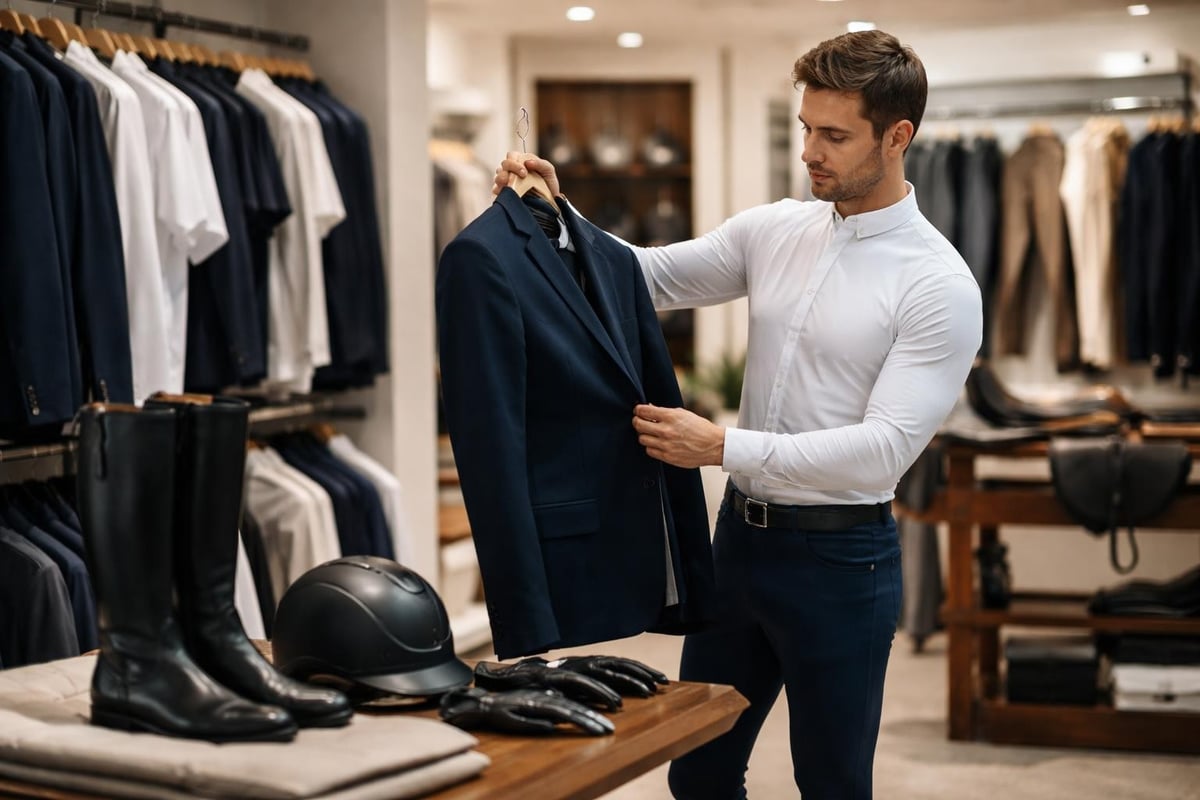
Competition requirements add another layer of complexity. Dressage coats need to fit properly through the shoulders without pulling across the back. Show jackets require precise tailoring that looks sharp while allowing full range of motion.
Quality stores stock competition wear designed around these requirements rather than offering modified casual pieces that merely look the part. This specialization matters when you're being judged not just on your riding but your turnout as well.
Price vs Value in Equestrian Apparel Shopping
Understanding the difference between price and value transforms how you approach equestrian apparel stores.
Investment Pieces Worth the Premium
Certain items justify higher prices through superior construction, better materials, and extended lifespan. Quality breeches that maintain their stretch and shape through hundreds of rides cost more upfront but less per wear than cheap alternatives needing replacement every season.
The same applies to technical jackets, competition shirts, and other pieces subject to hard use. Stores that stock these investment items typically provide detailed construction information, fabric specifications, and care instructions that help you maintain your gear properly.
Where to Save Without Sacrificing Quality
Not every piece requires premium investment. Base layers, casual stable wear, and items you'll replace frequently due to style changes rather than wear-out can come from more affordable sources without compromising your overall kit.
Smart equestrian apparel stores offer tiered pricing within categories, allowing you to invest where it matters while saving on pieces where the performance difference doesn't justify the cost difference.
Shopping Online vs In-Person: Making the Right Choice
Both shopping methods offer distinct advantages. The key is knowing when each serves you best.
When In-Person Shopping Makes Sense
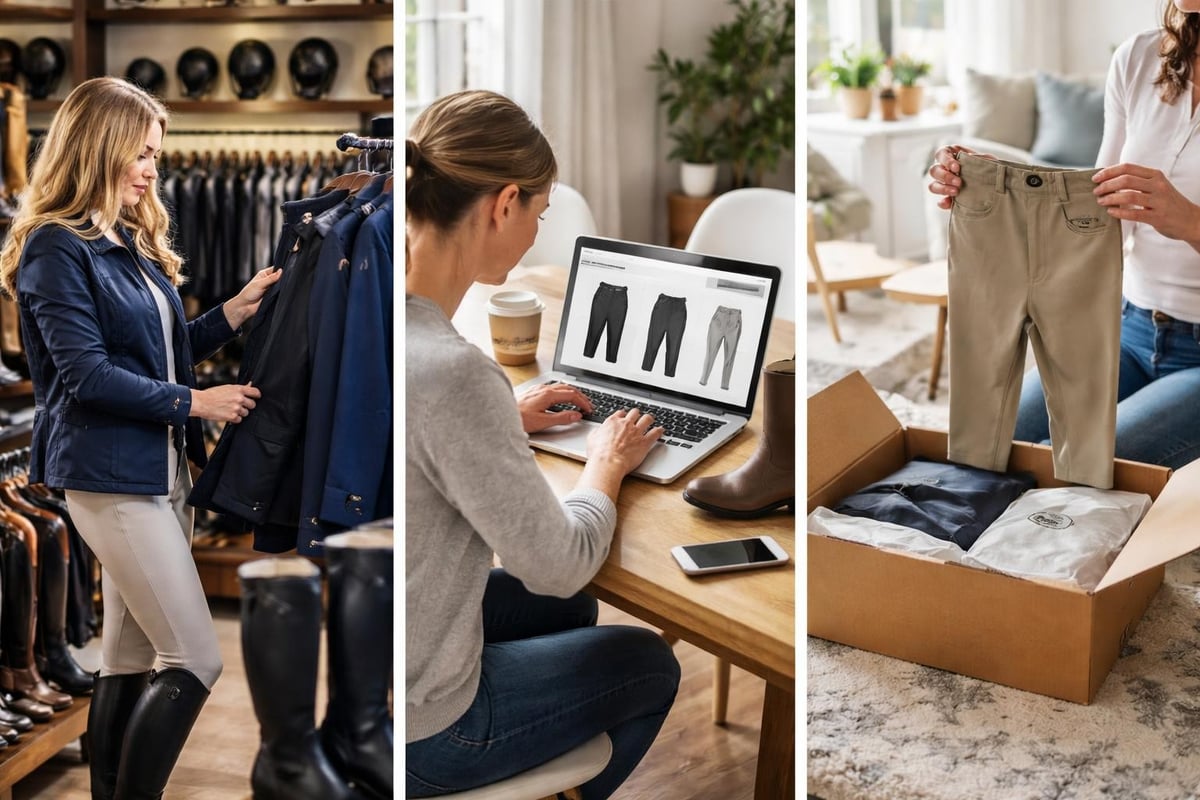
Visit physical stores when buying your first breeches from a new brand, investing in competition wear requiring precise fit, or selecting technical outerwear where construction details matter. Being able to feel fabrics, check seam placement, and try items on with proper riding posture provides information photos can't convey.
In-person shopping also allows relationship building with staff who can alert you to incoming stock, hold items in your size, and provide personalized recommendations based on your riding style.
Maximizing Online Shopping Success
Online equestrian apparel stores excel at selection breadth, competitive pricing, and convenience. Shop online when you know your size in a brand, you're replacing items you already own, or you're exploring new pieces with excellent return policies backing your purchase.
The U.S. equestrian apparel market shows continued growth in online sales, driven by improved sizing tools, better product photography, and streamlined return processes that reduce purchasing risk.
Take advantage of detailed product descriptions, customer photos showing items on actual riders, and reviews discussing fit and performance. These resources often provide more information than you'd get from a brief in-store try-on.
Evaluating Store Credibility and Expertise
Not all equestrian apparel stores demonstrate genuine expertise. Learning to spot the difference protects your time and money.
Staff Knowledge Indicators
Quality stores employ riders who understand the sport across multiple disciplines. They can discuss differences between dressage and jumping positions, explain how fabric choice affects summer versus winter comfort, and recommend items based on your specific riding context.
Ask questions about fabric care, expected lifespan, or how items perform in specific conditions. Knowledgeable staff provide detailed, nuanced answers. Less experienced retailers offer generic responses or immediately redirect to price or brand prestige.
Brand Partnerships and Exclusives
Stores with strong industry relationships often secure exclusive colorways, early access to new releases, or special pricing on quality brands. These partnerships indicate the retailer's standing within the industry and their commitment to bringing riders exceptional options.
However, exclusivity alone doesn't guarantee quality. Evaluate the actual products and whether they meet your needs rather than being swayed purely by limited availability.
The Future of Equestrian Apparel Retail
Market trends suggest equestrian apparel stores will continue evolving rapidly through 2026 and beyond.
Sustainability and Ethical Production
More riders demand transparency about production methods, fabric sourcing, and environmental impact. Forward-thinking stores respond by stocking brands with clear sustainability commitments and ethical manufacturing practices.
This shift affects everything from packaging choices to fabric selection, with recycled materials and responsible production methods becoming selling points rather than niche concerns.
Technology Integration in Shopping
Expect continued innovation in virtual fitting rooms, augmented reality try-on tools, and AI-driven sizing recommendations. These technologies aim to reduce the fit uncertainty that makes online apparel shopping challenging.
Some equestrian apparel stores already offer video consultations with fit specialists, custom measurement services, and digital pattern matching that suggests your size across multiple brands based on items you already own.
Personalization and Custom Options
The traditional split between off-the-rack and fully bespoke is narrowing. More stores offer semi-custom options where you select base garments then customize colors, monogramming, or minor fit adjustments.
This middle ground provides personalization without bespoke pricing, appealing to riders seeking distinctive gear that still delivers performance and value.
Making Your Shopping Strategy Work
Developing a coherent approach to equestrian apparel stores saves time and improves outcomes.
Building a Core Wardrobe First
Start with essential pieces from reliable stores before exploring trends or specialized items. Quality breeches, a versatile jacket, and reliable base layers form the foundation. Once these basics perform well, you can experiment with additional pieces.
This approach prevents the common mistake of owning a closet full of riding clothes but nothing that actually works together or serves your primary needs.
Seasonal Planning and Sale Timing
Equestrian apparel stores follow predictable sale cycles. End-of-season clearances offer substantial savings on items you'll use next year. Mid-season sales often target excess inventory in specific sizes or colors.
Plan major purchases around these cycles when possible, but don't let sale timing prevent buying critical items when you need them. A jacket purchased at full price in October when you need it provides more value than one bought on sale in March that you won't use for months.
Relationship Building with Preferred Retailers
Developing relationships with specific equestrian apparel stores creates mutual benefits. Loyal customers often receive advance sale notices, special pricing, or first access to new arrivals. In return, stores gain dependable business and valuable product feedback.
This relationship proves particularly valuable when issues arise. Stores that know you handle problems more smoothly, often going beyond standard policies to maintain the relationship.
Finding the right equestrian apparel stores transforms how you approach riding wear, ensuring you invest in pieces that actually perform rather than just look the part. Whether you prefer specialist boutiques, online retailers, or direct-to-consumer brands, the key lies in choosing stores that understand what male riders need and consistently deliver quality. Gallant Equestrian brings this philosophy to life through performance-driven men's riding wear designed in New Zealand and built to transition seamlessly from stable to street. Look the Part. Enjoy the Ride.

