

Equestrian Jacket Mens: The Complete Style & Performance Guide
Sep 14, 2026
Finding the right equestrian jacket mens doesn't just come down to looking sharp in the saddle. It's about understanding what you actually need for the riding you do, the climate you face, and the standards you're expected to meet. Whether you're preparing for your first dressage test, hacking out on winter mornings, or simply want something that works from stable to street, the jacket you choose matters.
Men's equestrian jackets have evolved far beyond the traditional tweed hacking jacket. Today's options blend technical fabrics, safety innovations, and timeless style in ways that actually make sense for modern riders. This guide walks through what matters when you're choosing an equestrian jacket mens, from competition requirements to everyday practicality.
Competition Standards and Formal Requirements
Understanding the rules before you invest in show kit saves disappointment and expense. Competition jackets for men follow specific guidelines that vary by discipline and level.
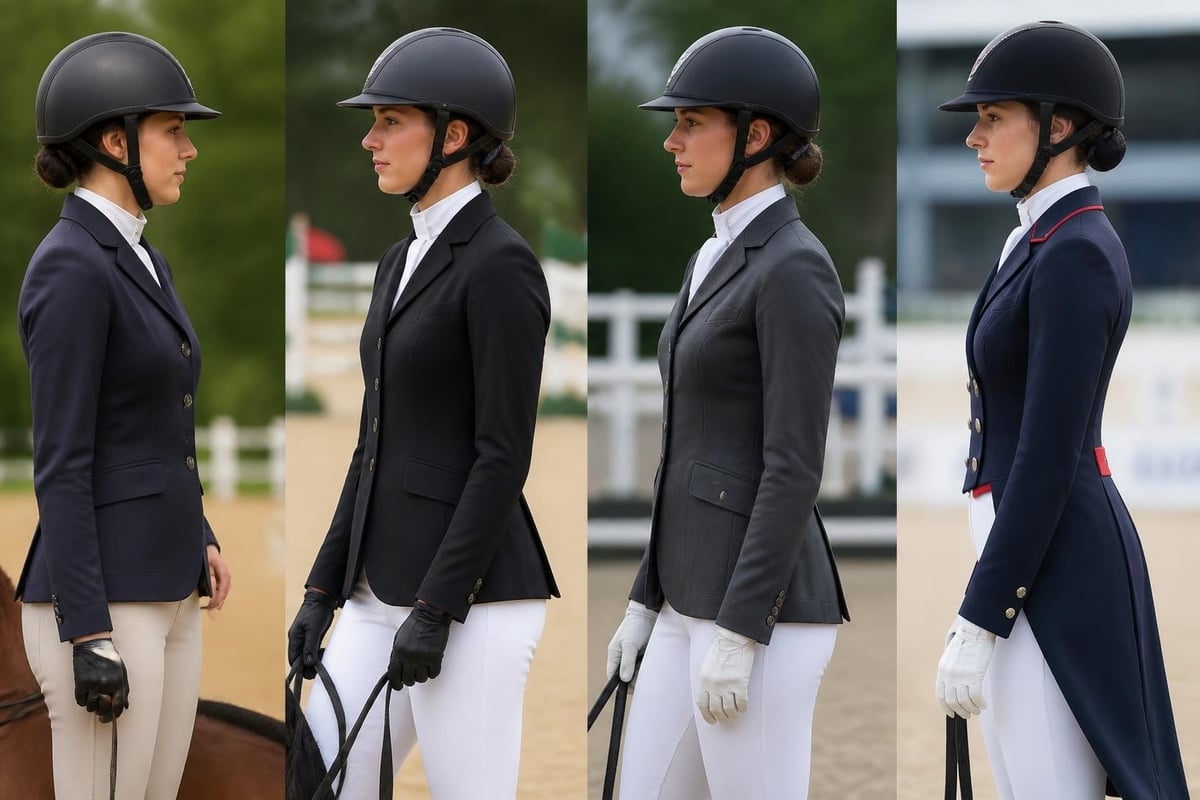
At international level, FEI eventing rules specify that riders must wear "hunting attire" or sport coat for dressage and show jumping phases, with precise collar, button, and colour requirements. Jackets must be conservative in cut and colour, typically navy, black, or dark grey. Cross-country phases allow technical jerseys, but dressage demands traditional tailoring.
Lower levels and local shows often follow similar principles but with more flexibility. Most dressage competitions expect a dark jacket with subtle detailing. Show jumping tends toward the same formality, though technical show jackets with four-way stretch are increasingly accepted.
Club and Grassroots Standards
The Pony Club dress code offers practical guidance that reflects what most affiliated clubs expect. Dark jackets in traditional cuts remain standard, but the emphasis shifts toward appropriateness and safety rather than bespoke tailoring. A well-fitted off-the-peg jacket in navy or black will serve you well through most grassroots competition.
Different disciplines bring different expectations. Eventers might wear the same jacket across dressage and show jumping, then switch to a technical jersey or airbag vest for cross-country. Dressage specialists often invest in a tailored black jacket with subtle stitching. Show jumpers increasingly favour technical jackets that offer freedom of movement without sacrificing presentation.
| Discipline | Jacket Type | Key Features | Formality Level |
|---|---|---|---|
| Dressage | Tailored show jacket | Traditional cut, subtle details, conservative colour | High |
| Show Jumping | Technical or traditional | Four-way stretch, breathable panels, traditional appearance | Medium-High |
| Eventing (Dressage phase) | Traditional show jacket | Classic tailoring, dark colour, formal collar | High |
| Eventing (Cross-country) | Technical jersey or airbag | Protective features, mobility, weather resistance | Low-Medium |
| Hacking/Everyday | Tweed or softshell | Durability, weather protection, relaxed fit | Low |
The best approach for most riders is to start with one versatile dark jacket that meets formal requirements, then add specialized pieces as your riding develops.
Weather Protection and Technical Fabrics
British weather demands more from an equestrian jacket mens than good looks. The right technical features keep you comfortable whether you're schooling in February drizzle or competing under summer sun.
Modern fabrics have transformed what's possible in riding outerwear. Softshell constructions combine wind resistance, water repellence, and breathability without the bulk of traditional waxed cotton. Four-way stretch panels at shoulders and elbows allow natural movement in the saddle. Moisture-wicking linings prevent the clammy feeling that comes from working hard in waterproof layers.
For serious wet weather, a dedicated rain jacket designed for riding offers features that generic outdoor gear can't match. Extended tail coverage protects your lower back when seated. Articulated sleeves stay in place when reaching forward. Storm cuffs prevent water running down your arms during bridlework.
Layering Systems That Actually Work
Smart riders build a system rather than relying on one miracle jacket. A lightweight technical show jacket works for competition and mild days. Add a performance sweatshirt underneath for cooler mornings. Over the top, a waterproof shell handles the worst weather without compromising your silhouette.
The key is choosing pieces that work together. Slim-cut base layers sit comfortably under fitted show jackets. Relaxed hoodies pair with everyday riding jackets. Everything should allow full range of motion without riding up or binding when mounted.
Temperature regulation matters more than raw warmth. Riding generates heat through effort, then you cool rapidly when standing still. Breathable fabrics that wick moisture prevent the chill that comes from damp clothing. Zip vents and mesh panels offer quick heat dump when needed.
Safety Technology and Protective Features
The conversation around equestrian jacket mens increasingly includes airbag technology and impact protection. Understanding what's available helps you make informed choices about your safety kit.
Airbag vests and jackets deploy in milliseconds when sensors detect a fall, creating a protective cushion around your torso and neck. Research published in peer-reviewed journals demonstrates measurable reductions in serious injuries when airbag systems are worn correctly. The technology isn't just for eventers anymore-many riders wear airbag protection for everyday hacking and schooling.
Two main types dominate the market: tethered systems that activate when separated from your saddle, and electronic systems using accelerometers and gyroscopes to detect abnormal movement. Both have proven track records, with different advantages depending on your discipline and preferences.
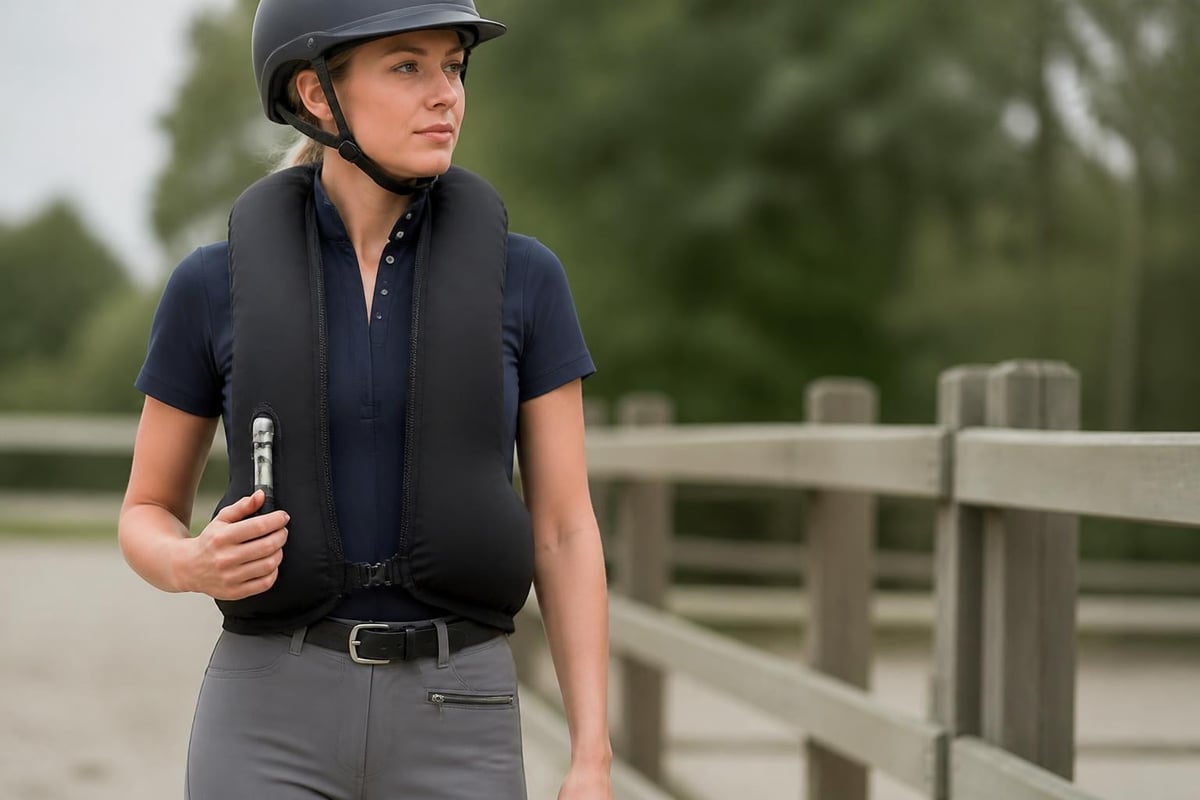
Horse & Hound's comprehensive buyer's guide details certification standards and testing protocols. The French AFNOR NF S72-800 standard remains the primary certification for airbag systems, covering deployment speed, coverage area, and impact protection levels. New British standards under development aim to harmonize testing across manufacturers and establish clearer performance benchmarks.
Integrating Protection Into Your Wardrobe
The challenge for many riders is balancing safety gear with competition requirements and personal style. Some airbag systems are designed to wear over show jackets, while others function as standalone pieces for training and hacking. Neither approach is wrong-it depends on your priorities and the riding you do.
For everyday riding, an airbag vest over a technical riding jacket offers maximum protection without bulk. For competition, check current rules, as acceptance varies by discipline and level. Many riders train in full safety kit, then make informed choices about competition wear based on their assessment of risk versus requirement.
Body protectors remain essential for many disciplines, particularly eventing cross-country. Unlike airbag systems that activate on impact, body protectors provide constant baseline protection. Some riders layer both for maximum security during high-risk phases.
The Hacking Jacket Heritage and Modern Interpretation
The traditional hacking jacket carries a heritage that extends well beyond the stable yard. Understanding this history helps explain why certain cuts, fabrics, and details endure in modern equestrian jacket mens design.
Originally designed for fox hunting and countryside riding, the hacking jacket prioritized durability and weather resistance through robust tweeds and purpose-driven construction. Esquire's exploration of the hacking jacket traces how this functional garment influenced broader menswear, from sporting tailoring to contemporary smart-casual style.
Key details that defined the classic hacking jacket still appear in modern designs. Hacking pockets-slanted and deep enough to secure items while mounted-prevent contents spilling when leaning forward. Rear vents allow the jacket to sit properly over the saddle without bunching. Structured shoulders accommodate the forward posture riding requires.
Tweed, Technical Fabrics, and the Best of Both
Traditional wool tweeds remain popular for their natural weather resistance, breathability, and timeless appearance. Herringbone and subtle checks work equally well in the saddle and over Sunday lunch. The weight and structure of quality tweed creates a flattering silhouette without stiffness.
Modern interpretations blend heritage aesthetics with performance fabrics. Water-resistant finishes on tweed-look synthetics offer traditional style with easier care. Stretch panels in earth tones maintain a classic appearance while improving mobility. The result is an equestrian jacket mens that honours tradition without sacrificing function.
| Feature | Traditional Tweed | Modern Technical | Hybrid Approach |
|---|---|---|---|
| Weather Resistance | Natural water shedding, windproof | Waterproof membranes, sealed seams | Water-resistant finish on natural fibres |
| Breathability | Excellent through natural fibres | Variable, depends on membrane quality | Good, combining natural and synthetic |
| Durability | High if well maintained | Excellent in technical fabrics | Very good with reinforced high-wear areas |
| Care Requirements | Dry clean or specialist wool wash | Machine washable, quick drying | Generally easy care with some restrictions |
| Style Versatility | High, classic aesthetic | Medium, often sport-focused | High, combines best of both |
| Price Point | Medium to very high | Medium to high | Medium to high |
The choice often comes down to how you ride and where you wear your jacket beyond the yard. A traditional tweed suits riders who value versatility and timeless style. Technical fabrics make sense for those prioritizing performance and convenience. Hybrid approaches offer the best of both worlds for riders who refuse to compromise.
Everyday Versatility and Street Style
The best equestrian jacket mens doesn't just live in your tack room. It transitions seamlessly from stable to street, offering value through genuine versatility rather than forced crossover marketing.
This practicality matters because most riders need kit that works across their entire day. Morning yard work requires weather protection and freedom of movement. Afternoon errands need presentable style without equestrian branding that feels out of place. Evening plans might call for something that reads as smart-casual rather than obviously sporting.
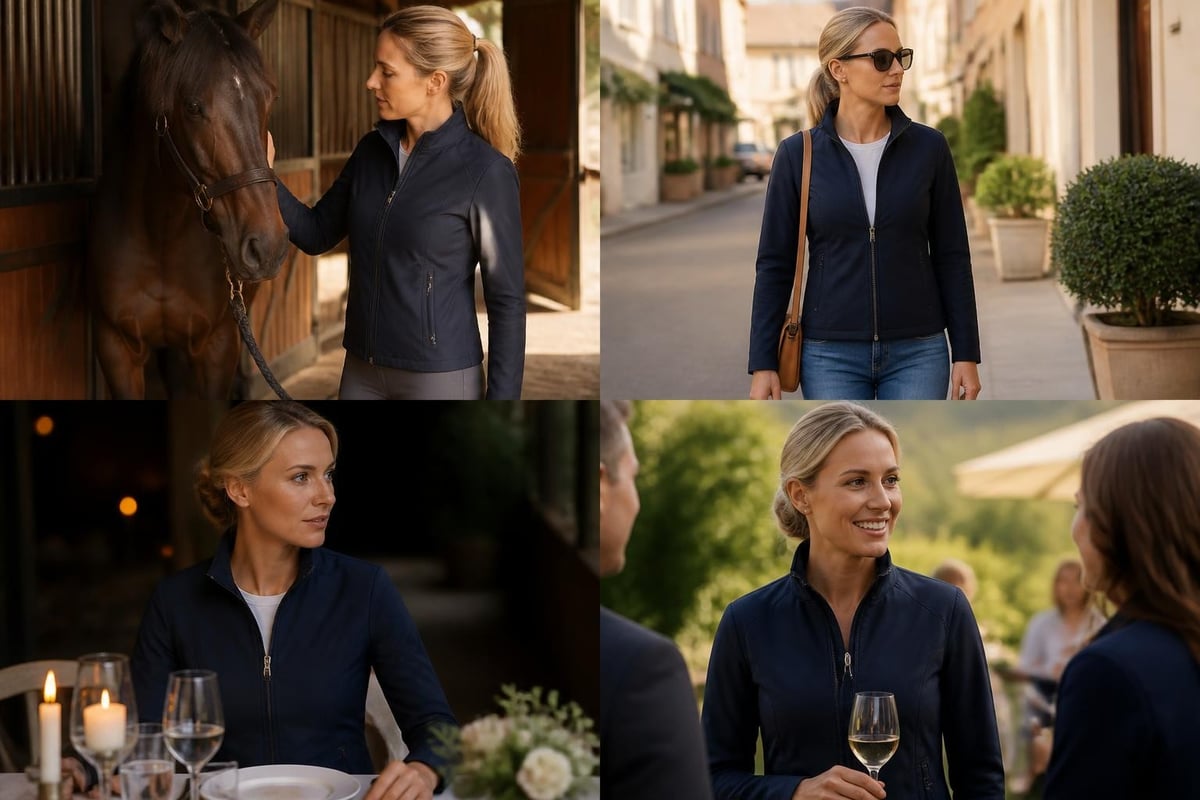
Softshell jackets designed for riding excel at this versatility. Clean lines without excessive detailing look intentional rather than technical. Neutral colours-navy, charcoal, olive-pair with denim as easily as riding breeches. Subtle equestrian features like snap closures and extended backs register as thoughtful design rather than sport-specific equipment.
Building a Functional Jacket Rotation
Most riders benefit from a focused rotation rather than a crowded wardrobe. Start with the essentials and add specialized pieces as specific needs arise.
The foundation piece is a dark technical or traditional jacket suitable for competition and smart occasions. This covers formal requirements and provides your best-presented option. Next, add a weatherproof layer that handles serious rain without looking like sailing gear. Finally, consider a casual option-tweed, quilted, or waxed cotton-for everyday riding and weekend wear.
Quality matters more than quantity. One excellent jacket that fits properly, uses durable materials, and suits your riding style will serve you better than three compromise pieces. Look for reinforced high-wear areas, properly finished seams, and hardware that won't corrode or fail after a season of use.
For riders in variable climates, a layering system built around versatile mid-layers extends your jacket's effective temperature range. A well-fitted hoodie under a softshell jacket handles cold mornings. The same shell over a polo works for mild afternoons. This approach reduces the total number of jackets needed while expanding your comfort range.
Fit, Cut, and Getting the Details Right
An equestrian jacket mens that doesn't fit properly fails regardless of its features or price. Understanding what to look for ensures your investment performs as intended.
Start with the shoulders. The seam should sit at your natural shoulder point, not drooping toward your arm or pulling across your back. When you reach forward into riding position, the jacket should move with you without binding or riding up excessively. Raglan or gusseted sleeve constructions help achieve this mobility.
Sleeve length matters particularly when riding. Too short, and your wrists are exposed when holding reins. Too long, and fabric bunches inside gloves or interferes with contact. The ideal length just reaches your wrist bone when standing, which positions it correctly when your arms are extended forward.
Torso Fit and Movement
The body of the jacket should skim your torso without excess fabric or constriction. Remember you'll typically wear layers underneath, so try the jacket over a polo or shirt similar to what you'll actually wear riding. The jacket should button comfortably without pulling across your chest or stomach.
Length is critical for both function and appearance. Traditional show jackets sit just below your seat when mounted, providing coverage without bunching. Technical riding jackets often run slightly longer in the back panel-this extended tail prevents the jacket riding up and exposing your lower back when leaning forward.
Back vents or stretch panels help the jacket accommodate saddle position. Single or double vents allow the fabric to spread smoothly over your seat rather than pulling or creasing. If you ride multiple disciplines or different saddle types, consider how the jacket sits in each context.
| Fit Element | What to Check | Why It Matters | Red Flags |
|---|---|---|---|
| Shoulders | Seam at natural shoulder point | Foundation for all movement | Seam sliding down arm or pulling across back |
| Sleeves | Length to wrist bone standing | Correct position when mounted | Bunching inside gloves or exposing wrists |
| Chest | Buttons close comfortably over typical layers | Freedom to breathe and move | Pulling across buttons or excess fabric |
| Waist | Skims body without constriction | Clean silhouette mounted and standing | Belt area bunching or straining |
| Length | Just covers seat when mounted | Protection and proper appearance | Too short (exposes back) or too long (bunches on saddle) |
| Vents | Open smoothly over saddle | Prevents pulling and creasing | Vents gaping open when standing or too restrictive mounted |
Modern sizing often runs more athletic than traditional cuts. If you're between sizes, consider whether you value mobility or a sharp silhouette more. Technical jackets with stretch can often size down for a trimmer look. Traditional tailored pieces need accurate sizing to maintain their structure.
Care, Maintenance, and Longevity
An equestrian jacket mens represents a meaningful investment. Proper care extends its useful life and maintains performance through seasons of hard use.
Start by understanding your jacket's materials and following manufacturer guidance. Technical fabrics often machine wash successfully but require specific detergent without fabric softeners, which can damage water-resistant treatments. Wool and tweed typically need professional cleaning or specialist products designed for natural fibres.
Regular maintenance prevents small issues becoming expensive problems. After muddy rides, brush dried dirt from the jacket rather than washing unnecessarily. Spot-clean marks promptly before they set. Check seams, buttons, and zips periodically, repairing minor damage before it spreads.
Weather Protection and Reproofing
Water-resistant treatments diminish with use and washing. Most technical and traditional jackets benefit from periodic reproofing to maintain weather protection. Spray-on treatments work for most fabrics and are simple to apply at home. Wash-in products offer more thorough coverage but require careful rinsing.
The timing for reproofing depends on use intensity. If water no longer beads on the fabric surface and instead soaks in, it's time to retreat. Don't wait until the jacket is saturated through-once moisture penetrates deep into the fabric, drying and reproofing becomes more difficult.
Storage between seasons matters as much as cleaning. Clean jackets thoroughly before long-term storage to prevent stains setting or attracting pests. Use breathable garment bags rather than plastic, which can trap moisture. Ensure jackets are completely dry before storing to prevent mildew.
For competition jackets with precise tailoring, consider professional pressing before important shows. Creases and wrinkles detract from the sharp appearance traditional disciplines expect. At minimum, hang show jackets properly after each wear and steam or press as needed.
Sustainability and Conscious Choices
The equestrian apparel market increasingly reflects broader concerns about sustainability and ethical production. Making informed choices about your equestrian jacket mens means understanding where and how it's made.
Market analysis of equestrian apparel trends shows growing demand for sustainable materials and transparent supply chains. Riders want technical performance without environmental compromise. This shift drives innovation in recycled fabrics, responsible sourcing, and local production.
Quality construction directly impacts sustainability. A jacket built to last five or ten years rather than two seasons reduces total consumption regardless of materials. Look for reinforced stress points, robust hardware, and fabric weight appropriate to the garment's purpose. The cheapest option rarely proves most economical over time.
Material Considerations and Trade-offs
Natural fibres like wool offer biodegradability and renewable sourcing but require specific care and may lack weather protection without treatment. Synthetic technical fabrics deliver performance advantages but present end-of-life challenges. Blended approaches attempt to balance these factors.
Consider your actual needs rather than maximum specifications. If you ride primarily in moderate weather, a lighter jacket with less aggressive waterproofing reduces material use while still serving your purposes. Buying what you genuinely need rather than preparing for every possible scenario reduces waste.
Supporting brands that prioritize ethical manufacturing and quality construction makes a difference. Look for companies transparent about their supply chains and committed to fair labour practices. Gallant Equestrian designs in New Zealand and focuses on durable, versatile pieces that transition from stable to street-an approach that inherently supports sustainability through reduced consumption.
Accessorizing and Completing Your Kit
An equestrian jacket mens doesn't exist in isolation. The pieces you pair with it affect both function and appearance.
For competition, traditional pairings remain standard. A white show shirt under a dark jacket creates the classic contrast judges expect. Add a subtle competition tie for dressage and show jumping. Properly fitted competition breeches complete the formal look.
Everyday riding allows more flexibility. A technical polo shirt under a softshell jacket works for schooling and hacking. Cooler weather calls for performance layers that provide warmth without bulk. The goal is comfortable kit that looks intentional rather than thrown together.
When hacking out, particularly on roads or in low light, safety considerations override style. The British Horse Society provides clear guidance on visibility requirements for road riding. A hi-vis tabard over your jacket or reflective strips integrated into the design help ensure you're seen. This isn't optional in British conditions-it's essential safety practice.
Choosing the right equestrian jacket mens comes down to understanding your priorities, knowing what standards apply to your riding, and investing in quality that lasts. Whether you need competition-ready tailoring, technical weather protection, or versatile everyday style, the right jacket supports your riding and extends into your wider wardrobe. Gallant Equestrian offers performance-driven pieces designed to transition seamlessly from stable to street, built in New Zealand to handle real riding demands while maintaining the refined style you want. Look the Part. Enjoy the Ride.

