

Horse Riding Jacket Mens: The Complete Guide for 2026
Sep 15, 2026
Finding the right horse riding jacket mens isn't just about looking sharp in the saddle. It's about performance, protection, and confidence whether you're schooling at home, competing at championship level, or riding through challenging weather. The jacket you choose becomes part of your riding kit, working with you rather than against you, and the right choice makes every difference to comfort and presentation.
What Makes a Horse Riding Jacket Different
A proper horse riding jacket mens is engineered specifically for the demands of riding. Unlike standard outdoor jackets, these garments are cut to accommodate the forward-leaning position of riding, with longer backs, articulated shoulders, and shaped sleeves that move with your arms. The pattern accounts for how you sit in the saddle, ensuring the jacket doesn't ride up or restrict movement as you work.
Traditional show jackets follow strict tailoring principles established over generations. The heritage of riding coats shows how function has always driven design, with considerations like vent placement, button positioning, and collar height all serving practical purposes. Modern interpretations maintain these functional elements while incorporating contemporary fabrics and construction techniques.
Technical performance jackets take a different approach. These designs prioritize weather protection, breathability, and durability for everyday riding. Materials like GORE-TEX waterproof membranes provide reliable protection without sacrificing breathability, keeping you comfortable during long hours in the saddle across varying conditions.
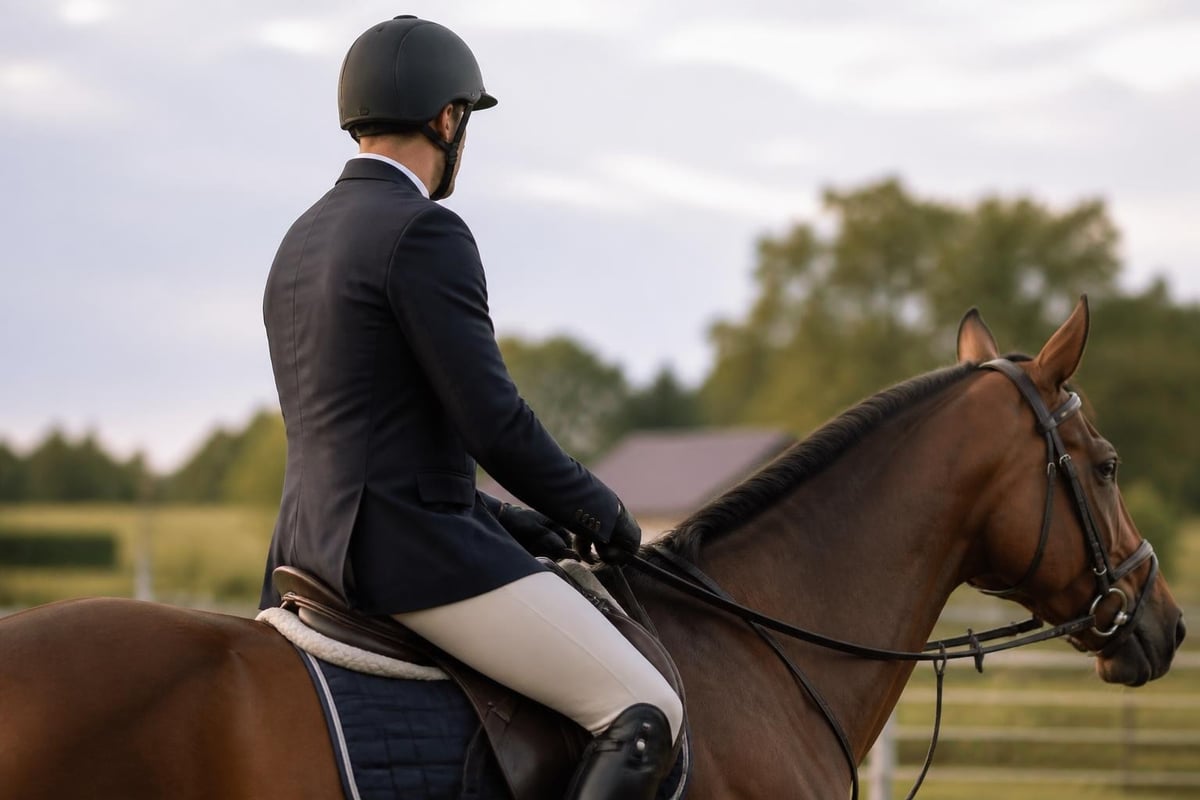
Competition Standards and Show Ring Requirements
Understanding competition requirements helps you choose the right horse riding jacket mens for your discipline. Show jacket regulations vary by organization and level, but certain principles remain consistent across most competitive environments.
Formal Competition Standards
The FEI guidelines establish international standards for upper-level competition, specifying acceptable jacket styles, colors, and details. For most disciplines, conservative colors dominate: navy, black, dark grey, or traditional hunt colors for appropriate classes. Detailing must remain subtle, with strict limitations on logos, branding placement, and decorative elements.
The USEF Attire & Equipment Book provides detailed American standards, noting when jackets may be waived in extreme heat and specifying permitted alternatives. British riders should reference British Showjumping rules for national competitions, while the CHAPS Members' Handbook covers grassroots and amateur requirements across UK disciplines.
Modern Technical Show Jackets
Contemporary show jackets bridge traditional appearance with modern performance. These garments look completely conventional from ringside but incorporate stretch fabrics, moisture-wicking linings, and strategic ventilation. Horse & Hound's technical show jacket guide highlights how four-way stretch fabrics and advanced construction techniques deliver both compliance and comfort.
The best modern show jackets pair perfectly with proper competition attire. When you're building a complete showing kit, pairing your jacket with men's competition breeches and a men's show shirt creates a cohesive, professional appearance that meets standards across disciplines.
Performance Jackets for Everyday Riding
Performance riding jackets prioritize function over formality. These are your workhorses, the jackets you reach for during daily schooling sessions, training rides, and casual hacking regardless of weather conditions.
Weather Protection Features
Quality weather jackets incorporate multiple protective layers. Outer shells resist wind and water while maintaining breathability, preventing the clammy discomfort of non-breathable materials. Taped seams prevent moisture infiltration at stress points, and adjustable cuffs, hems, and hoods allow customization based on conditions.
A proper men's rain jacket designed for riding includes equestrian-specific features: longer back coverage, underarm ventilation, and sleeve construction that maintains protection even when your arms are extended forward. The cut prevents bunching around your waist and maintains coverage as you move through posting trot or adopt jumping position.
Layering Systems
Smart riders understand layering. Your horse riding jacket mens becomes part of a system rather than a standalone piece. Base layers manage moisture next to skin, mid-layers provide insulation, and your outer jacket protects from elements while allowing that moisture to escape.
Consider temperature range when building your jacket collection. Lightweight shell jackets work for mild, damp conditions. Insulated versions handle genuine cold. Softshell designs split the difference, offering moderate weather protection with enhanced breathability for active riding. The winter layers kit approach ensures you're prepared for varying conditions without overheating or getting caught out.
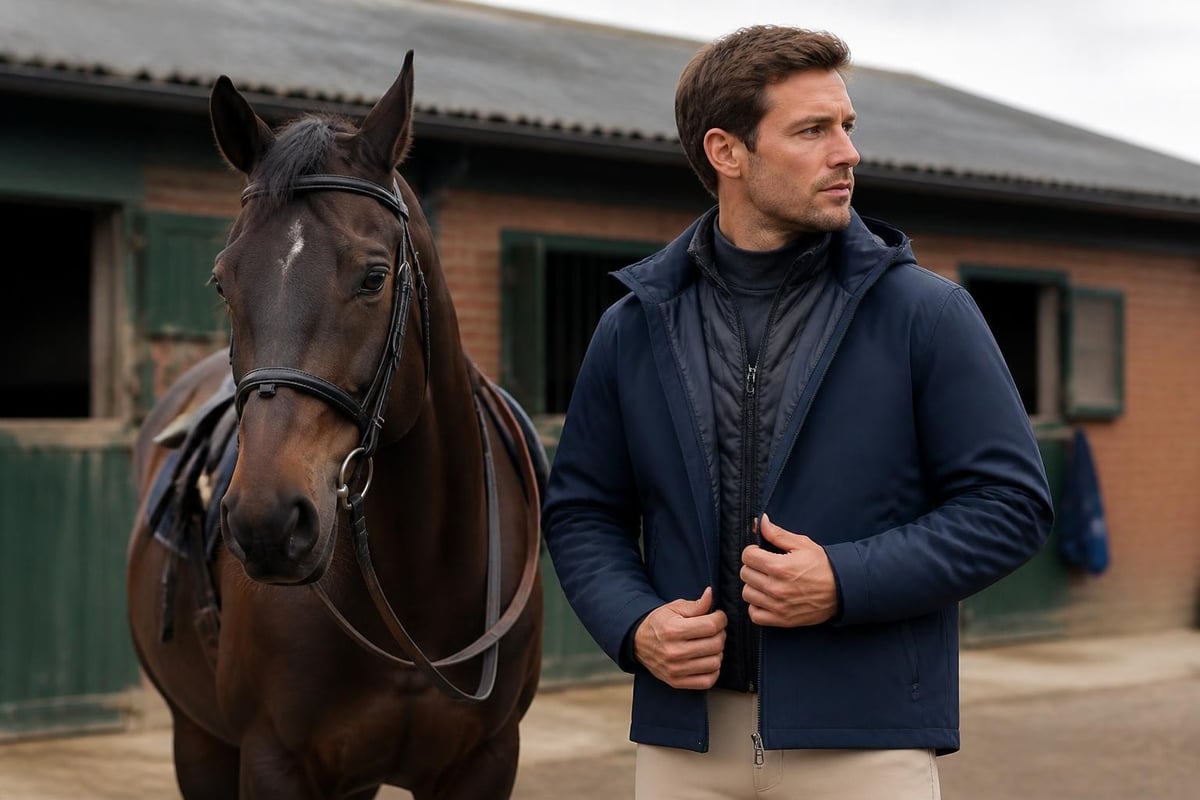
Fabric Technology and Construction
Modern horse riding jacket mens construction represents a significant evolution from traditional materials. Understanding these technologies helps you make informed choices based on your specific riding needs.
Technical Fabric Options
| Fabric Type | Primary Benefit | Best Use Case | Care Consideration |
|---|---|---|---|
| Four-way stretch | Maximum mobility | Show jackets, active disciplines | Maintains shape with proper washing |
| GORE-TEX membrane | Waterproof breathability | All-weather riding | Requires DWR treatment maintenance |
| Softshell | Balance protection/breathability | Moderate weather training | Regular washing maintains performance |
| Merino-blend insulation | Warmth without bulk | Cold weather riding | Gentle cycle, air dry recommended |
The technical apparel guide from UbiClothes explains how stretch percentage affects movement, why fabric weight matters, and how different weaves impact durability. Four-way stretch fabrics move with you in all directions, critical for activities requiring the full range of motion that riding demands.
Construction Quality Indicators
Quality construction shows in details. Examine seam finishing, particularly in stress areas like shoulders and underarms. Reinforced stitching at these points prevents premature failure. Internal seam taping not only improves weather resistance but also indicates attention to construction standards.
Button and closure quality matters more than many riders initially realize. Quality hardware withstands repeated use without loosening, breaking, or corroding. Two-way zips on longer jackets allow adjustment from both top and bottom, useful when mounting or achieving proper position in the saddle.
Lining construction affects both comfort and durability. Quality linings reduce friction, wick moisture, and survive repeated washings without bunching or separating from outer fabric. Mesh-lined ventilation panels enhance breathability without compromising structure.
Fit Fundamentals for Riding Jackets
Proper fit transforms a horse riding jacket mens from adequate to exceptional. Unlike casual wear, riding jackets must accommodate specific positions and movements while maintaining a polished appearance.
Critical Fit Points
Shoulder construction determines much of a jacket's performance. Properly set shoulders allow full arm movement without pulling the jacket body out of position. When you extend your arms forward into riding position, the jacket should move with you, maintaining back coverage without binding across your shoulders or chest.
Sleeve length requires careful consideration. Sleeves should reach your wrist bone when your arms hang naturally but shouldn't ride up excessively when you take up reins. Many quality jackets include sleeve vents or adjustable cuffs that accommodate different arm positions without compromising coverage.
Back length is non-negotiable. A jacket that's perfect standing becomes problematic mounted if the back is too short. You need coverage that extends well below your waist when seated, preventing gaps between jacket and breeches. Traditional tailoring achieves this through back vents and specific pattern cutting.
Trying Before Buying
Always test fit in riding position, not just standing at attention. Sit in a chair that approximates saddle position, round your shoulders slightly forward, and extend your arms. The jacket should remain comfortable, maintain coverage, and not restrict breathing or movement.
Pay attention to how the jacket sits across your lower back and hips. Excessive fabric bunches uncomfortably. Insufficient length creates gaps. The collar should sit comfortably without gaping or choking, remaining in place through head movements and transitions.
Consider trying your horse riding jacket mens with the layers you'll actually wear. A jacket that fits perfectly over a shirt becomes tight and restrictive over a men's hoodie or sweatshirt. If you'll be layering for cold weather, test fit accordingly.
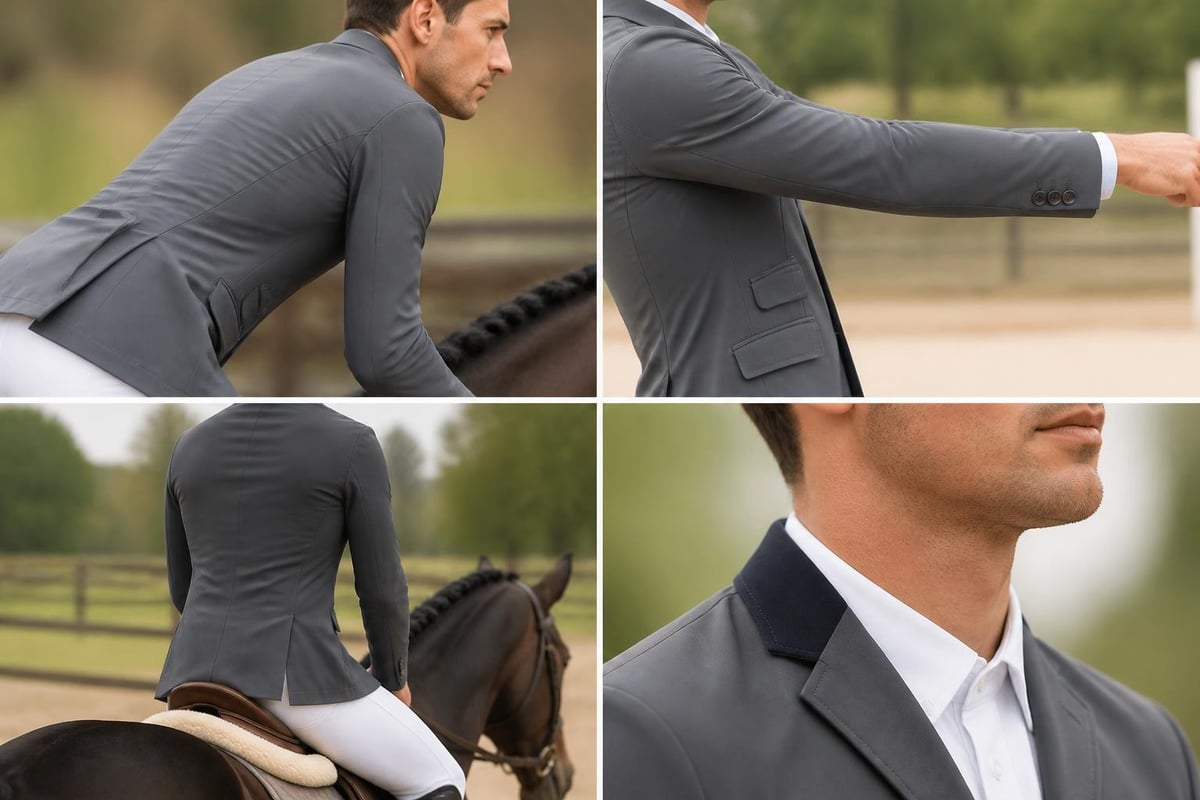
Style Considerations Beyond Competition
Your horse riding jacket mens represents you beyond the show ring. Modern riders need jackets that transition from stables to social settings while maintaining the performance features essential for riding.
Versatile Design Elements
Contemporary equestrian jackets increasingly blend riding-specific features with lifestyle appeal. Clean lines, subtle detailing, and neutral colors allow the same jacket to work for schooling sessions and casual wear. This versatility matters when you're moving between activities without time for complete wardrobe changes.
Color selection affects both formality and practicality. Navy and black remain universally appropriate, working across most competitive and casual contexts. Olive, charcoal, and dark grey offer subtle variation while maintaining versatility. Lighter colors like bone create distinctive looks but require more frequent cleaning in stable environments.
Detailing should enhance rather than overwhelm. Quality fabrics and construction speak for themselves without requiring excessive branding or decoration. Consider how visible logos, contrasting panels, or decorative elements align with your overall style and the settings where you'll wear the jacket.
Building a Jacket Wardrobe
Most serious riders eventually own multiple jackets serving different purposes. A formal show jacket for competition. A weatherproof performance jacket for daily riding. Perhaps a lightweight shell for mild conditions or an insulated version for winter work.
Start with your most immediate need. If you're actively competing, invest in a quality show jacket first. If you're primarily schooling and hacking, prioritize performance and weather protection. Build from there as budget and requirements expand.
Consider the complete picture when assembling your riding wardrobe. Jackets work alongside men's breeches, shirts, and accessories to create cohesive outfits. The arena rider kit approach ensures all elements work together functionally and aesthetically.
Care and Maintenance for Longevity
Proper maintenance extends the life of your horse riding jacket mens significantly. Quality jackets represent meaningful investments, and appropriate care protects that investment while maintaining performance.
Cleaning Protocols
Read and follow manufacturer care instructions. Many technical fabrics require specific washing temperatures, detergents, or drying methods. Using incorrect procedures can damage waterproof membranes, compromise stretch properties, or cause fabric degradation.
Regular cleaning prevents dirt and sweat buildup that degrades materials over time. However, excessive washing accelerates wear. Find the balance appropriate for your usage patterns. Show jackets worn occasionally need less frequent cleaning than daily training jackets.
The GORE-TEX care guidance explains maintaining DWR (Durable Water Repellent) treatments, which require periodic reactivation through heat or reapplication. This process restores water-beading performance that naturally diminishes over time and washing cycles.
Storage Best Practices
Proper storage between rides maintains jacket shape and condition. Hang jackets on appropriate hangers, ideally wooden or padded versions that support shoulders properly. Avoid wire hangers that create stress points and distort shoulder lines.
Allow jackets to fully dry before storage, particularly after riding in wet conditions. Storing damp jackets promotes mildew growth and fabric degradation. If your jacket requires immediate storage while still damp, hang it in a well-ventilated area as soon as possible.
Store formal show jackets in breathable garment bags that protect from dust while allowing air circulation. Avoid plastic bags that trap moisture. Keep jackets in temperature-controlled environments when possible, as extreme heat or cold can affect certain technical fabrics and waterproof membranes.
Choosing Your Perfect Jacket
Selecting the right horse riding jacket mens ultimately comes down to matching features with your specific requirements. Consider discipline, climate, competition level, and how the jacket integrates with your overall riding wardrobe.
Decision Framework
Start by identifying your primary use case. Are you shopping for competition compliance, everyday performance, or weather protection? Your answer determines which features matter most. Competition riders prioritize fit and regulation compliance. Daily riders need durability and weather resistance. Many need both.
Climate significantly influences jacket requirements. Riders in mild, wet climates prioritize waterproofing and breathability. Those facing extreme cold need insulation. Hot, sunny regions require lightweight, ventilated options. Consider your typical riding conditions throughout the year, not just current weather.
Budget factors into any purchase decision, but consider cost per wear rather than absolute price. A quality jacket worn regularly for years represents better value than a cheaper option requiring replacement after a season. Balance initial investment against expected longevity and performance.
Integration with Existing Kit
Your horse riding jacket mens should complement items you already own. Consider colors that work with your current breeches, shirts, and accessories. Think about layering compatibility if you already own base and mid-layers you prefer.
For comprehensive weather readiness, consider how different jacket types work together. A formal show jacket, a technical rain jacket, and perhaps a lightweight training jacket provide coverage across most scenarios. The wet weather riding kit concept ensures complete protection when conditions turn challenging.
Quality matters in equestrian wear because the demands are genuine. You need garments that perform under real conditions, protect you from elements, and maintain their integrity through regular use. Investing in proper kit pays dividends in comfort, confidence, and longevity.
Choosing the right horse riding jacket mens means balancing performance, style, and purpose-built design that works as hard as you do. Whether you need competition-ready elegance or weatherproof reliability for daily rides, the right jacket makes every moment in the saddle better. Gallant Equestrian creates performance-driven men's equestrian clothing designed in New Zealand to handle real riding demands while maintaining the refined style that carries from stables to everyday life. Look the Part. Enjoy the Ride.

