

The Equestrian Look: Style & Function for Men Who Ride
Sep 22, 2026
The equestrian look has evolved far beyond traditional show rings and hunting fields. In 2026, men who ride demand clothing that performs under pressure whilst maintaining a refined aesthetic both in the saddle and beyond. This distinctive style combines centuries of riding heritage with contemporary fabric technology, creating a wardrobe that's as functional at the yard as it is presentable off-property. Understanding how to achieve this balance transforms not just how you look, but how you ride.
Foundations of the Modern Equestrian Look
The equestrian look begins with purpose-built essentials that respect the demands of riding. Unlike casual outdoor wear, proper riding attire must address specific challenges: saddle contact, range of motion, weather protection, and safety requirements. These aren't merely fashion considerations but practical necessities that directly impact comfort and performance.
Breeches remain the cornerstone of any rider's wardrobe. The right pair offers four-way stretch, reinforced knee patches or full seats, and a fit that stays put during posting trot or jumping position. Technical fabrics now include moisture-wicking properties and compression zones that support muscles during extended rides. For those building their foundational wardrobe, our guide on breeches and jodhpurs offers detailed selection criteria.
Top layers require equal consideration. Performance shirts need to layer comfortably beneath jackets whilst allowing unrestricted shoulder movement for rein contact and position adjustments. Jackets must protect from wind and rain without adding bulk that interferes with saddle feel or rider balance.
Performance Meets Presentation
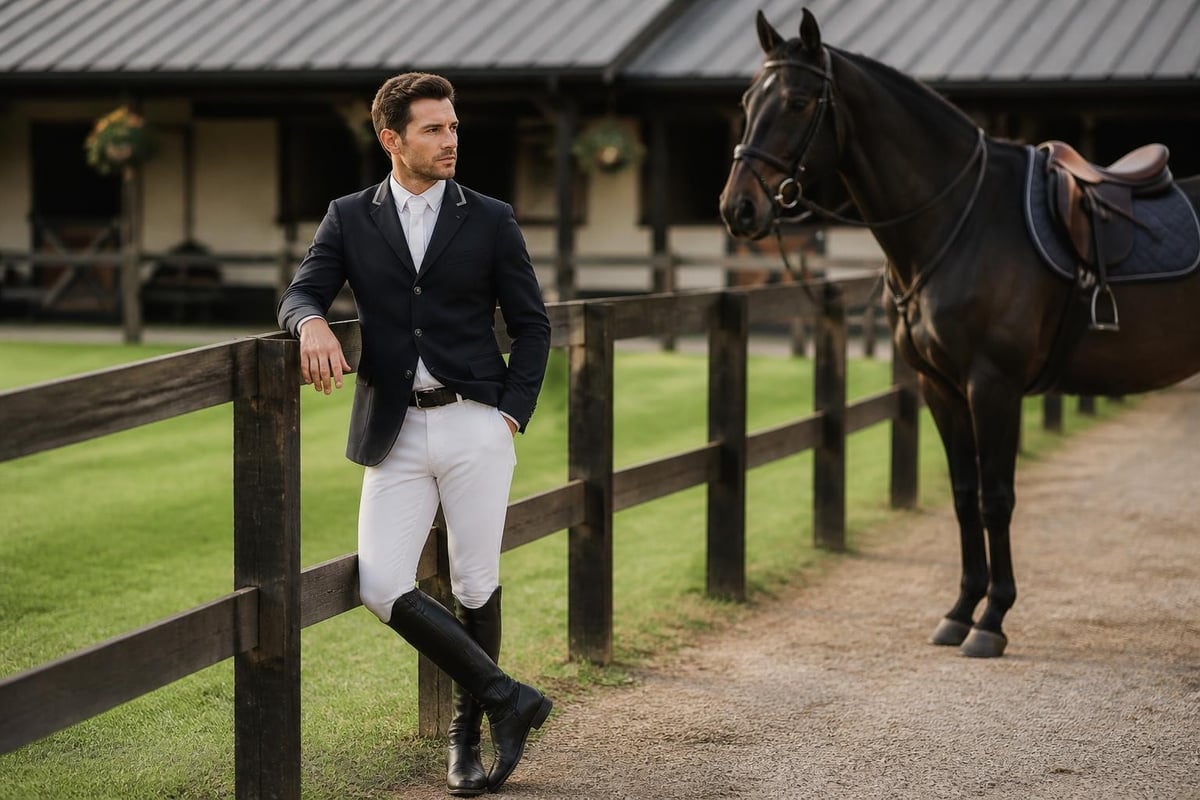
Modern riding apparel solves a challenge previous generations simply accepted: looking presentable without sacrificing function. Technical fabrics engineered for equestrian use now rival athletic wear in performance metrics whilst maintaining the refined appearance the sport demands.
Moisture management systems keep you dry during summer schooling sessions. Four-way stretch allows deep posting and two-point positions without restriction. Flatlock seams prevent chafing during hours in the saddle. These innovations aren't about following trends but solving real problems riders face daily.
The aesthetic payoff comes from thoughtful design that incorporates performance features invisibly. Strategically placed stretch panels, articulated cuts, and reinforcement zones enhance function without advertising their presence. This discretion allows the equestrian look to transition seamlessly from morning stable work to afternoon errands without changing clothes.
Building Your Riding Wardrobe
Assembling an effective equestrian wardrobe requires understanding your riding context and lifestyle beyond the stable. Competition riders need different pieces than leisure riders, whilst those who ride daily benefit from durable basics that withstand frequent washing. The key lies in selecting versatile items that serve multiple purposes.
Start with foundation pieces that work across contexts. Quality breeches in neutral colours pair with anything and suit both training and casual competition. A well-fitted performance shirt in white or subtle tones meets show requirements whilst looking sharp at the yard. A technical jacket that sheds rain and breathes during exertion becomes your daily essential across three seasons.
| Wardrobe Level | Essential Items | Key Features | Usage Context |
|---|---|---|---|
| Foundation | 2-3 pairs breeches, 3-4 performance shirts, 1 waterproof jacket | Durable, versatile colours, all-season | Daily riding, stable work, casual schooling |
| Intermediate | Competition jacket, show shirts, additional breeches, base layers | Presentation-focused, weather-specific | Shows, lessons, clinics |
| Advanced | Specialised competition wear, seasonal outerwear, accessories | Discipline-specific, premium materials | Regular competition, varied conditions |
Layering systems extend your wardrobe's functionality without requiring extensive closets. Base layers worn beneath shirts provide warmth on cold mornings, whilst lightweight gilets add core insulation without restricting arms. This approach allows a relatively compact wardrobe to address diverse weather conditions throughout the year.
Consider how pieces work beyond riding. The best equestrian look translates naturally to daily life because quality riding apparel simply looks good. Properly fitted breeches worn with boots and a casual shirt create a pulled-together appearance for weekend errands. A riding jacket over a polo shirt works perfectly for countryside pubs or casual meetings.
Competition and Show Standards
Show ring appearance demands specific attention to detail and rule compliance. Understanding what's required versus what's preferred prevents last-minute wardrobe crises whilst ensuring you present professionally. Competition standards vary by discipline, level, and organisation, making research essential before entering any show.
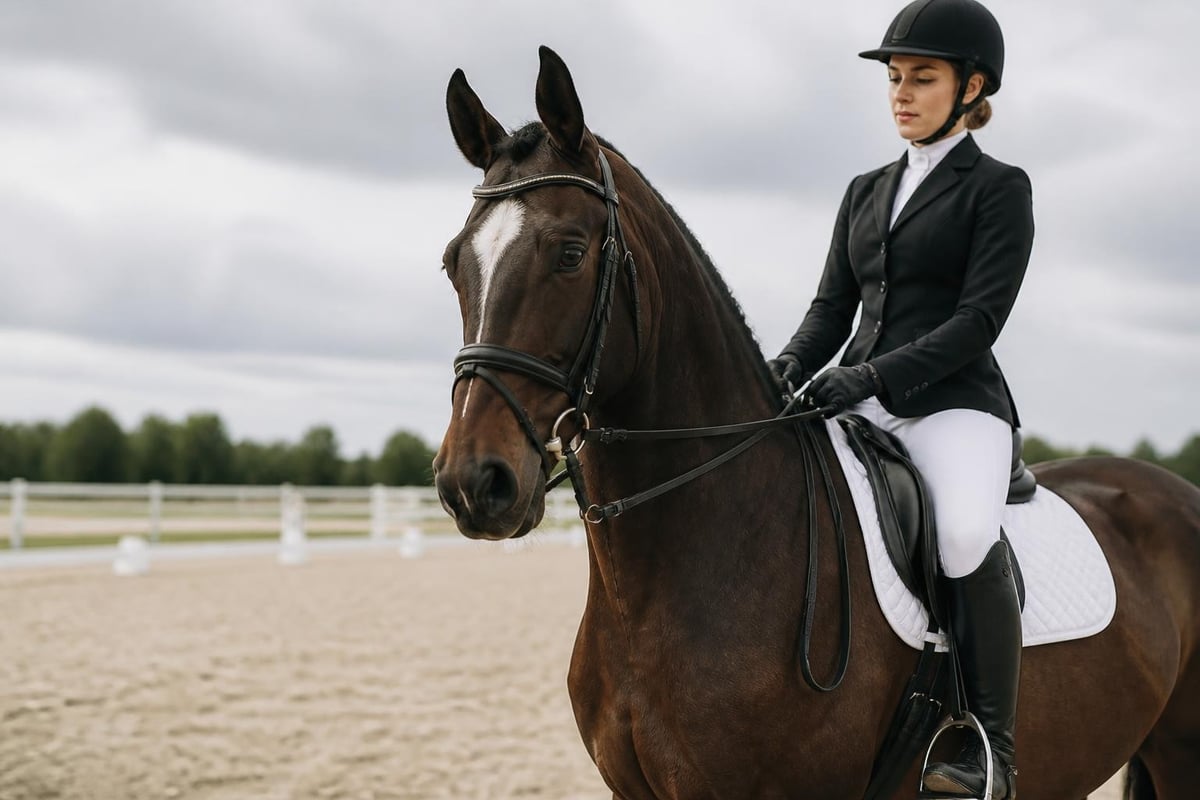
Dressage particularly emphasises tradition and formality. At lower levels, riders typically wear light-coloured breeches, dark boots, white or light show shirts, and dark jackets. Stock ties or subtle ties replace casual collars. As you progress, regulations become stricter. The FEI dressage rules provide comprehensive guidance for international standards, whilst national organisations offer discipline-specific requirements.
Jumping disciplines allow slightly more flexibility whilst maintaining professional standards. Hunt coats in conservative colours, buff or white breeches, and tall boots create the classic hunter look. Show jumpers often adopt similar aesthetics with minor variations in jacket style and colour allowances. Our comprehensive guide on what to wear in the competition arena breaks down specific requirements by discipline.
Safety equipment always supersedes style considerations. Helmets must meet current safety standards, including ASTM F1163 certification in many jurisdictions. Body protectors are mandatory for certain disciplines and strongly recommended for others, particularly cross-country phases of eventing. High-visibility wear becomes essential when riding on roads or in low-light conditions.
Practical Style for Daily Riding
Whilst show standards dictate competition appearance, daily riding allows more personal expression within practical boundaries. The everyday equestrian look balances comfort, durability, and weather protection with enough polish to feel confident running post-ride errands without changing clothes.
Weather dictates practical choices more than aesthetics. Summer riding demands lightweight, breathable fabrics that dry quickly and resist UV damage. Mesh panels, moisture-wicking technology, and light colours help manage heat during intense sessions. Winter introduces layering challenges that require thin, flexible insulation and windproof outer shells that don't restrict movement. Our article on winter riding jackets addresses seasonal outerwear selection.
Footwear deserves particular attention for daily riding. Tall boots offer maximum protection and classic styling but require significant break-in time and regular maintenance. Paddock boots paired with half chaps provide similar coverage with easier on-off convenience and lower cost. Both options should feature defined heels to prevent feet slipping through stirrups and smooth soles that won't catch on stirrup treads.
The British Horse Riding advice on riding outfits emphasises safety-first approaches to daily kit selection, including proper footwear, fitted clothing that won't snag, and appropriate protective equipment for different riding contexts. These fundamentals apply universally regardless of riding style or experience level.
Transitional Pieces That Work Everywhere
The most valuable items in your equestrian wardrobe serve multiple purposes without looking out of place in any setting. These transitional pieces justify premium investment because their cost-per-wear drops significantly when they function across riding, work, and leisure contexts.
Technical polo shirts exemplify this versatility. Designed for riding with features like extended tails that stay tucked and underarm gussets that prevent binding, they look equally appropriate at casual social occasions. Quality materials resist fading and maintain shape through countless wash cycles. Neutral colours and subtle branding ensure broad compatibility with the rest of your wardrobe.
Riding jeans or technical chinos bridge the gap between traditional breeches and street wear. Engineered with stretch panels in strategic locations and reinforced inner legs, they perform adequately for casual rides whilst looking completely normal off-property. This category has expanded significantly in recent years as mainstream fashion increasingly adopts equestrian-inspired elements.
Outerwear offers perhaps the greatest crossover potential. A quality riding jacket designed to shed rain, block wind, and allow full arm mobility serves equally well for countryside walks, travel, or daily commutes. Look for understated designs in classic colours that don't immediately telegraph "riding wear" to non-equestrian observers.
The Equestrian Aesthetic Beyond the Stable
Understanding the equestrian look extends beyond selecting correct riding attire. This aesthetic carries cultural weight and historical resonance that influences mainstream fashion cyclically. In 2026, equestrian elements appear throughout men's casual wear, from jodhpur-inspired trousers to field jacket designs borrowed from traditional riding coats.
This crossover creates opportunities to extend your riding investment. Tall boots styled with jeans and a casual shirt create weekend looks with roots in riding heritage. A waxed jacket originally purchased for stable work pairs naturally with chinos for pub lunches or country events. Understanding these connections helps build a cohesive personal style that reflects your riding life authentically.
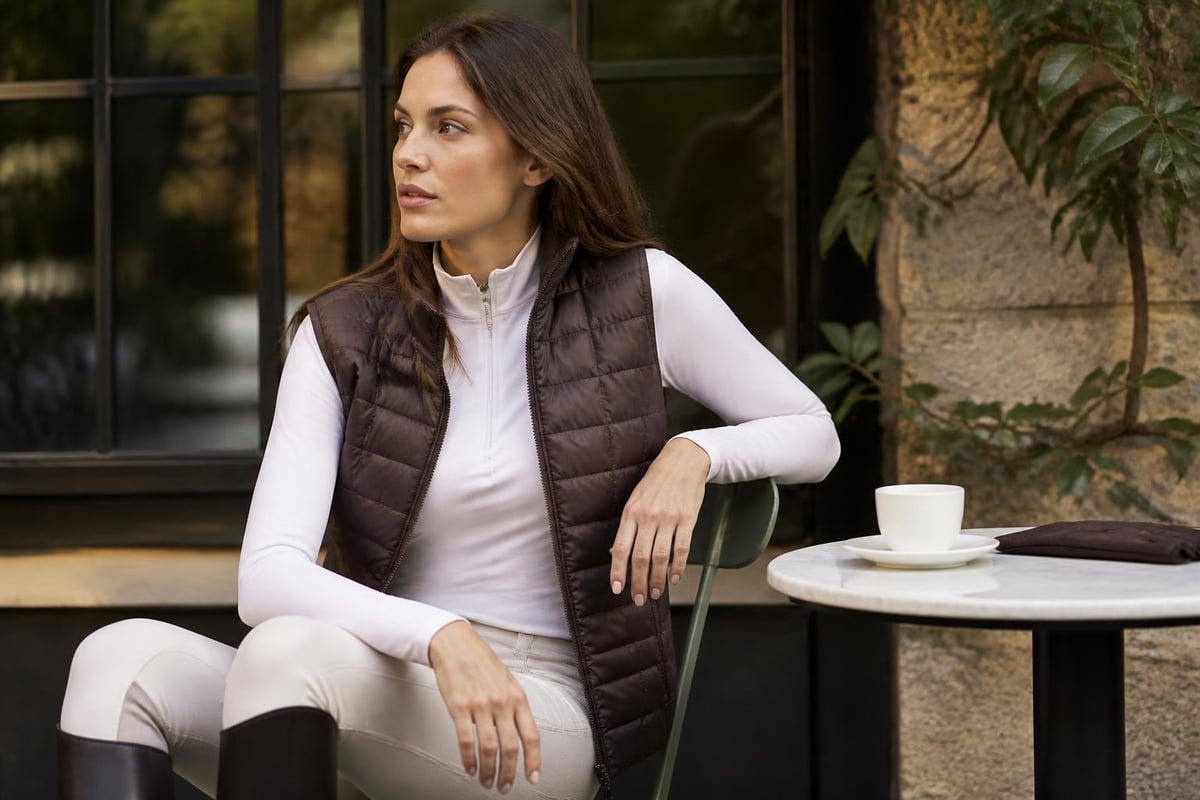
The key lies in avoiding costume territory. Wearing full show attire to non-riding contexts looks affected rather than stylish. Instead, incorporate individual elements that reference riding heritage without copying it wholesale. A well-fitted tweed jacket recalls hunt country style without literally dressing as though heading to a meet. Quality leather boots in riding-inspired silhouettes work with numerous outfits without requiring actual stable visits.
Fashion publications regularly highlight these connections. Guides on styling equestrian boots demonstrate how riding-inspired footwear integrates into contemporary wardrobes for men who may never touch a saddle. For those who actually ride, these trends offer validation that your functional clothing choices align with broader style movements.
Caring for Your Investment
Quality equestrian apparel represents significant investment that rewards proper maintenance. Unlike fast fashion that's discarded after brief use, well-made riding wear lasts years when cared for correctly. This durability proves both economical and environmentally responsible, aligning with values many riders hold beyond the stable.
Different materials demand specific care approaches. Technical fabrics typically require cold water washing with gentle detergents that don't damage moisture-wicking treatments or compromise stretch properties. Avoid fabric softeners that coat fibres and reduce performance characteristics. Air drying extends fabric life and maintains shape better than tumble drying, though checking manufacturer guidance remains essential.
Leather items need regular conditioning to prevent drying and cracking. Tall boots benefit from boot trees that maintain shape between wears. Waterproof jackets require occasional retreatment with DWR (durable water repellent) coatings as washing gradually reduces their effectiveness. These maintenance tasks take minimal time but dramatically extend garment lifespan.
Storage matters as much as cleaning. Proper hangers prevent stretching in jackets and shirts. Breeches folded at natural seam lines rather than random creases maintain their shape and appearance. Keeping riding clothes separate from heavily soiled stable work gear prevents unnecessary contamination and reduces washing frequency.
Finding Your Style Within Standards
The equestrian look accommodates personal expression whilst respecting tradition and function. Unlike sports with rigid uniform requirements, riding allows subtle variations that reflect individual taste within established parameters. Finding this balance creates a signature style that feels authentic rather than prescribed.
Colour provides the most accessible avenue for personalisation. Whilst white shirts and beige breeches dominate show rings, training allows broader palettes. Navy, grey, burgundy, and forest green offer alternatives that maintain professional appearance whilst adding interest. Subtle patterns like thin stripes or discrete checks add visual variety without crossing into flashy territory that undermines credibility.
Fit represents another critical variable. Modern equestrian clothing trends toward closer, more tailored cuts than traditional loose-fitting alternatives. This shift improves both appearance and function, as excess fabric creates bulk under jackets and can catch on tack. However, achieving proper fit requires honest assessment and often professional alterations. Clothes that fit correctly always look better than ill-fitting premium pieces.
Details distinguish competent dressing from exceptional presentation. Matching leather goods (belts, gloves, boots) create visual cohesion. Ensuring show shirts stay tucked and collars sit correctly demonstrates attention to standards. Keeping equipment clean and in good repair signals respect for the sport and your horse.
| Style Element | Conservative Choice | Modern Alternative | Context Considerations |
|---|---|---|---|
| Shirt Colour | White, light blue | Navy, subtle patterns | Shows require traditional; training allows flexibility |
| Breech Shade | Beige, tan | Grey, navy | Discipline and level influence acceptability |
| Jacket Style | Traditional hunt coat | Technical softshell | Weather and formality determine appropriateness |
| Boot Type | Tall dress boots | Field boots, paddock boots | Usage frequency and maintenance capacity matter |
Personal style develops over time through experimentation within boundaries. Pay attention to riders whose appearance you admire. Notice what works in your specific riding community, as regional and discipline norms vary considerably. Confidence in your choices ultimately matters more than following every trend.
Practical Shopping Strategies
Acquiring quality equestrian attire requires strategic planning, particularly for riders building initial wardrobes or upgrading from entry-level gear. Smart shopping balances immediate needs against long-term wardrobe development whilst managing budget realities that many riders face.
Prioritise items that directly impact riding quality and safety. Proper boots and well-fitted breeches deserve investment before upgrading show jackets or acquiring extensive colour options in shirts. These foundational pieces affect daily comfort and performance, making them worth allocating larger budget portions. Safety equipment like certified helmets never represents frivolous spending regardless of cost.
Understanding typical pricing helps identify genuine value versus inflated costs or false economy. Entry-level breeches from reputable equestrian brands typically range £60-100, whilst premium technical options reach £150-250. Show jackets span £200-600 depending on materials and construction. Quality riding boots start around £200 for synthetic options and £400+ for leather. These benchmarks help evaluate whether specific items represent fair value.
Timing purchases strategically captures sales without compromising on essentials. Many retailers offer seasonal clearances in autumn and spring when collections transition. End-of-season sales provide opportunities to acquire next year's seasonal items at reduced prices. However, avoid buying incorrect sizes or unsuitable items simply because they're discounted. Poor-fitting bargains ultimately cost more through replacement needs.
Consider the complete ownership cost when evaluating options. Slightly more expensive items using superior materials often outlast cheaper alternatives by years, reducing long-term spending. Additionally, quality pieces typically maintain appearance through numerous washes, whereas budget options may fade, pill, or lose shape quickly. Calculating cost-per-wear over expected lifespan reveals true value more accurately than purchase price alone.
For those seeking local expertise and fitting assistance, exploring equestrian clothing shops near you provides hands-on evaluation opportunities that online shopping can't match. Physical retail allows trying multiple sizes, feeling fabric quality, and receiving personalised fitting advice particularly valuable for first-time buyers.
Building Gradually Versus Complete Overhauls
Developing a complete equestrian wardrobe rarely happens overnight, nor should it. Gradual accumulation allows testing different brands, discovering personal preferences, and spreading costs across months or years. This approach also prevents investing heavily in styles that ultimately don't suit your needs or aesthetic preferences.
Start with absolute essentials that enable safe, comfortable riding. Two pairs of quality breeches, three performance shirts, appropriate footwear, certified helmet, and weather-appropriate outerwear form the core that supports regular riding. From this foundation, add pieces that address specific gaps as they become apparent through actual use.
Second-phase additions might include show-appropriate attire if competition interests you, additional seasonal wear for extreme weather, or specialised items for specific disciplines. Third-phase purchases lean toward refining existing categories with premium options or expanding colour and style variety once you've established clear preferences.
This staged approach provides built-in reassessment points. Perhaps you discover certain brands fit your build better than others. Maybe your riding focus shifts from dressage toward jumping, changing attire priorities. Building gradually accommodates these evolutions without leaving you with expensive items that no longer serve your needs.
The equestrian look ultimately reflects who you are as a rider: purposeful, prepared, and confident both in the saddle and beyond. Whether you're schooling at home, competing at affiliated shows, or simply enjoying a hack through the countryside, wearing clothing designed specifically for riding transforms the experience. Proper kit enhances performance, ensures comfort through long days, and presents an image that matches your commitment to the sport. Gallant Equestrian specialises in creating exactly this balance for men who ride seriously. Performance-driven pieces designed in New Zealand and built to last deliver functionality without sacrificing style, ensuring you look the part wherever the day takes you. Look the Part. Enjoy the Ride.

