

Equestrian Riding Gear: The Modern Rider's Guide
Oct 04, 2026
Choosing the right equestrian riding gear transforms your experience in the saddle. Whether you're returning after years away or refining your current setup, understanding what works and why matters. The best gear combines safety, performance, and style without compromise. Modern riders expect clothing and equipment that functions flawlessly during intense training sessions yet looks sharp enough for everything beyond the yard. This balance defines quality equestrian riding gear in 2026.
Understanding Core Riding Essentials
Every rider needs a foundation of reliable gear. Start with pieces that directly impact your safety and performance, then build outward.
The Non-Negotiables: Safety First
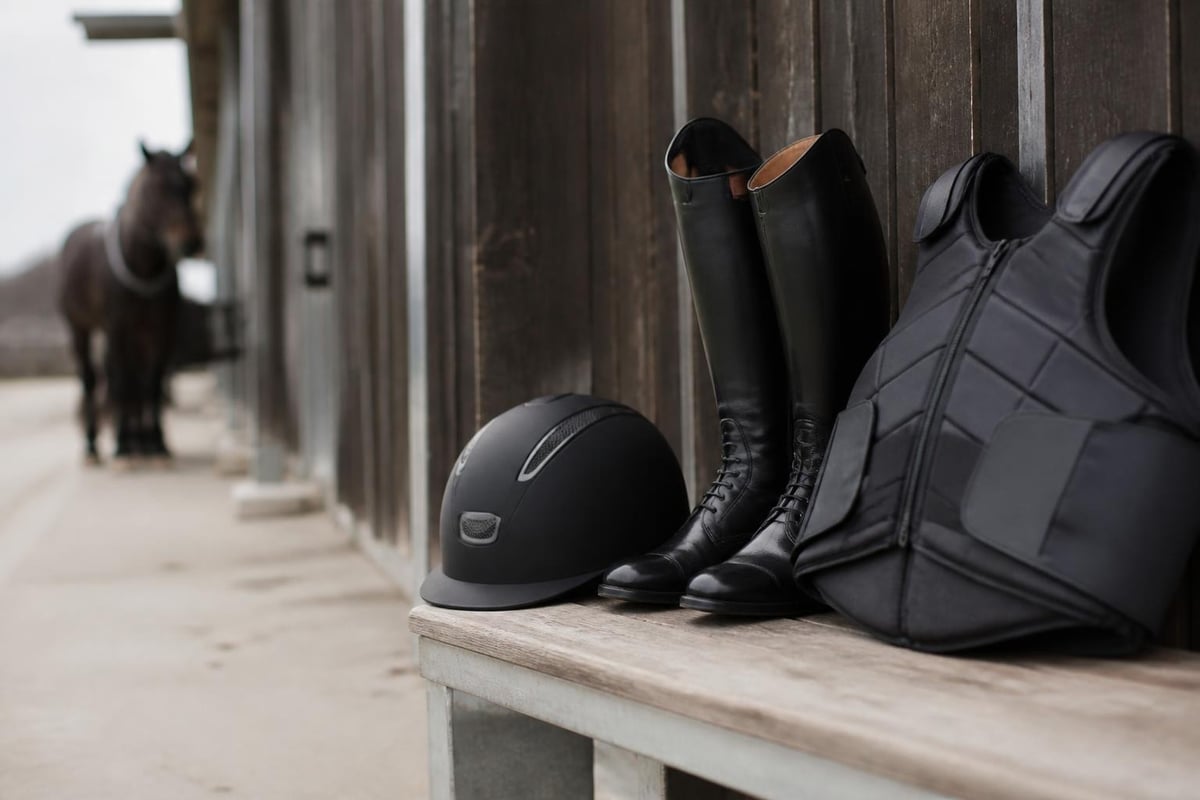
Your helmet remains the single most critical piece of equestrian riding gear. Contemporary helmets must meet rigorous testing standards, with ASTM F1163 specifications ensuring adequate impact protection. Modern designs incorporate advanced materials that reduce weight whilst maintaining structural integrity. Choose a helmet that fits properly, sits level on your head, and doesn't shift during movement.
Proper footwear follows immediately after helmet selection. The British Horse Society provides clear guidance on riding footwear, emphasising the importance of smooth soles, defined heels, and ankle support. Boots prevent your foot from sliding through the stirrup whilst protecting your lower leg during ground work and mounted sessions.
Body protectors add another layer of safety, particularly for cross-country, jumping, or working with young horses. Select gear rated for your discipline and activity level.
Performance Clothing That Works
Quality breeches form the backbone of any riding wardrobe. Understanding how to choose the right breeches means considering seat material, stretch, and construction methods. Full-seat breeches offer maximum grip for flatwork and dressage, whilst knee-patch styles suit jumping and general riding. Technical fabrics wick moisture, dry quickly, and maintain shape through repeated wear.
Shirts designed for riding incorporate specific features often absent from standard athletic wear. Longer backs prevent riding up in the saddle. Stretch panels at shoulders and underarms allow full range of motion. Quality buttons stay fastened during activity. Performance polo shirts exemplify this category, offering breathability and style.
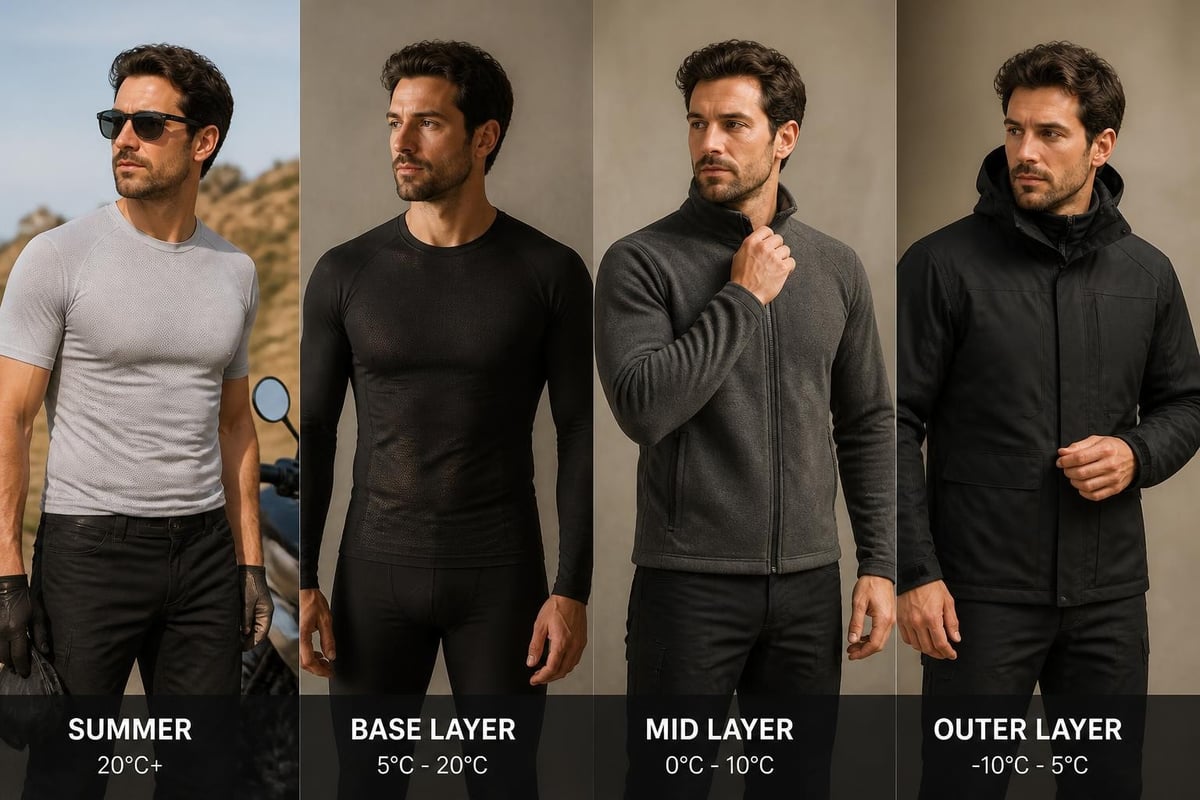
Layering becomes essential across seasons. Base layers manage moisture and temperature. Mid-layers provide insulation without bulk. Outer jackets protect against weather whilst allowing movement. Each piece should integrate with others seamlessly.
Seasonal Considerations for Your Kit
British weather demands adaptable equestrian riding gear. What works in July won't suffice come November.
Summer Riding Requirements
Warm months require lightweight, breathable fabrics that handle sweat effectively. Technical materials outperform natural fibres in moisture management. Look for UPF protection in shirts and base layers, particularly for long hacking sessions or outdoor schooling. Mesh panels at strategic points enhance airflow without compromising appearance.
Summer breeches benefit from four-way stretch and minimal seaming. Lighter colours reflect heat, though darker shades remain practical for everyday yard work. Consider owning both options.
Gloves matter year-round. Summer-weight riding gloves provide grip and protection without insulation. Synthetic palms or specialist materials maintain contact with reins even when damp.
Winter Weather Solutions
Cold weather riding demands thoughtful layering. Winter riding jackets should be windproof, water-resistant, and cut specifically for mounted positions. Traditional country coats often restrict movement in the saddle. Purpose-built riding jackets balance warmth with freedom.
Thermal base layers trap heat whilst wicking moisture away from skin. Merino wool blends offer natural odour resistance and temperature regulation. Synthetic options dry faster and typically cost less. Choose based on your riding frequency and washing routine.
Winter breeches incorporate fleece linings or thermal materials. Some riders prefer wearing thermal leggings beneath standard breeches rather than investing in winter-specific pairs. Both approaches work, provided you maintain proper fit and avoid bulk that interferes with leg contact.
Building Your Wardrobe Strategically
Smart riders invest in versatile pieces that work across multiple contexts. Developing a capsule wardrobe streamlines morning decisions whilst ensuring you always look prepared.
Essential Pieces First
Start with two to three pairs of quality breeches in neutral colours. Navy, black, and grey coordinate with everything whilst hiding dirt between washes. Add one pair in tan or beige if your discipline requires it.
Three riding shirts cover most situations. One white or light blue for competitions or formal lessons. One darker colour for everyday riding. One technical polo for warm weather. This rotation allows continuous use whilst maintaining clean options.
One waterproof jacket serves year-round. Choose a style that layers over everything from t-shirts to thick fleeces. Packability helps, particularly if you hack out regularly and weather changes unexpectedly.
Competition and Special Occasions
Competition arena attire follows specific conventions depending on discipline. Dressage demands formality. Show jumping allows more flexibility. Eventing requires practicality alongside presentation.
A well-fitted show jacket remains essential for most competitive contexts. Invest in proper tailoring rather than sizing up for layering. Modern stretch fabrics allow slim cuts without restricting movement. Traditional colours suit most disciplines, though specific rules vary.
White breeches specifically for competition keep everyday schooling grime separate from show day presentation. Accept that they require more frequent washing and budget accordingly.
Stock ties, show shirts, and proper show boots complete formal turnout. These pieces see limited use but matter enormously when required.
Transitional and Casual Options
Casual riding clothes blur the line between stable and street. Quality breeches now incorporate design elements that work beyond the yard. Neutral colours, clean lines, and premium fabrics mean you needn't change after riding to meet friends or run errands.
Riding jeans or technical trousers suit light hacking, lunging, or ground work. These bridge gaps when full breeches feel excessive but performance still matters. Look for gusseted crotches, stretch fabric, and reinforced inner legs.
Versatile jackets transition seamlessly from stable to daily life. Avoid styles covered in equestrian branding if you value this flexibility. Clean designs in quality materials serve multiple purposes.
Technical Fabrics and Material Science
Understanding fabric technology helps you select equestrian riding gear that performs reliably.
Modern Material Innovations
Four-way stretch fabrics revolutionised riding wear. Unlike traditional two-way stretch, these materials move with your body in all directions. This matters enormously in the saddle, where hips, knees, and thighs require constant adjustment. Mechanical stretch (fabric construction) typically outlasts chemical stretch (elastane content).
Moisture-wicking treatments pull sweat away from skin to fabric surfaces where it evaporates quickly. This process regulates temperature and prevents that clammy feeling during intense work. Quality treatments survive numerous wash cycles. Cheaper versions fade rapidly.
Anti-microbial finishes reduce odour between washes. Silver ions, copper particles, or other technologies inhibit bacterial growth. Particularly valuable in summer months or for riders training multiple horses daily.
Durability Versus Performance
Premium equestrian riding gear balances performance with longevity. Ultra-lightweight materials often sacrifice durability. Heavier constructions last longer but may feel restrictive. Finding your personal preference requires testing different options.
Reinforced seat areas extend breech lifespan significantly. Silicone, leather, or synthetic grips withstand friction from saddle contact. Stitching quality matters more than most riders realise. Flat-locked seams prevent chafing and resist separation.
Proper care extends gear life substantially. Follow washing instructions precisely. Air dry when possible. Store properly between uses. Quality pieces maintained well outlast cheaper alternatives replaced frequently.
Accessories That Complete Your Setup
Small additions enhance comfort and functionality significantly.
Gloves and Hand Protection
Riding gloves prevent blisters, improve grip, and protect hands during falls. Winter requires insulation. Summer needs breathability. Specialist materials like synthetic suede or technical grips perform better than leather in wet conditions.
Consider owning multiple pairs. Gloves wear out faster than other gear. Having backups prevents riding with damaged or wet gloves.
Belts, Spurs, and Finishing Touches
Quality belts keep breeches secure without bulk. Elastic options distribute pressure more comfortably than traditional leather. Match metals (buckles, spur fittings) for polished appearance.
Spurs require proper selection and fitting. Consult experienced riders or instructors before adding these to your kit. Incorrect use causes more problems than benefits.
Bags and Storage Solutions
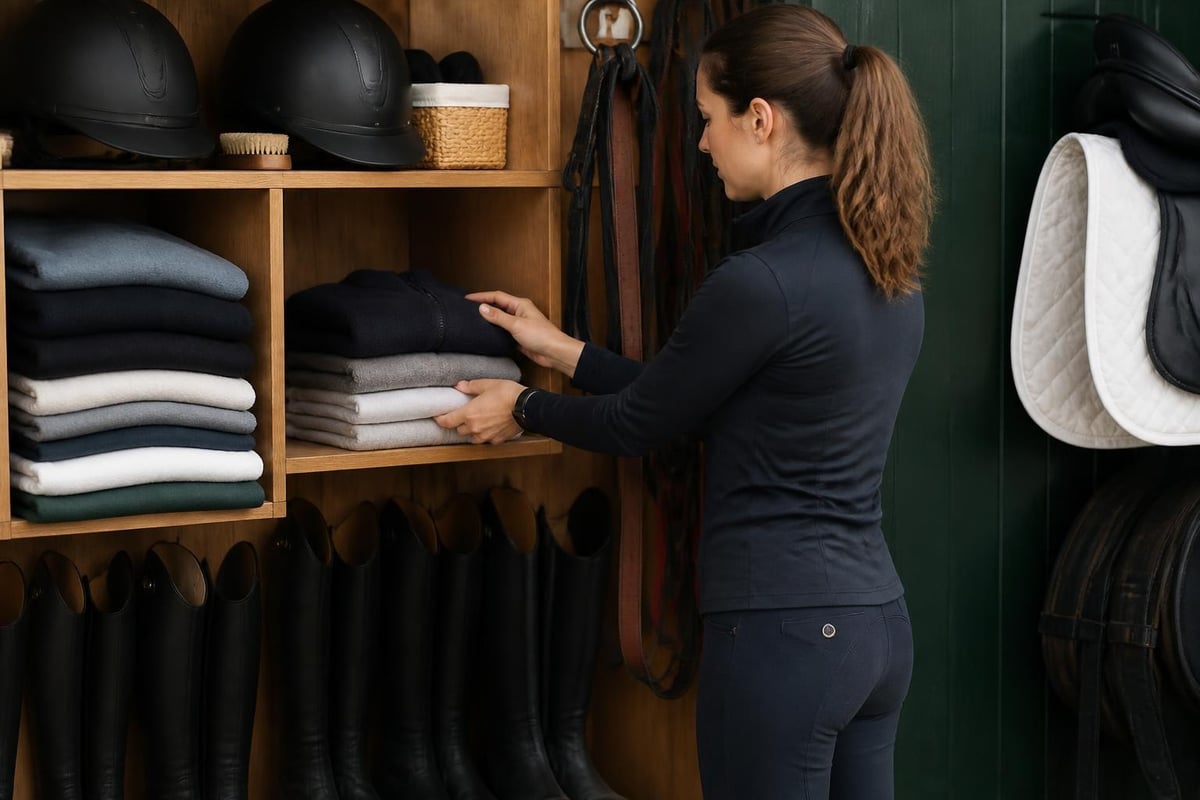
Proper storage protects investment. Boot bags prevent scratches and scuffs. Helmet bags shield from impact between uses. Garment bags keep show clothes pristine.
Separate dirty gear from clean immediately. Many riders maintain two bags: one for current use, one for items awaiting laundering. This simple system prevents odour transfer and keeps you organized.
Fitting and Sizing Considerations
Equestrian riding gear must fit precisely for optimal performance and comfort.
Breeches and Lower Body Fit
Breeches should fit snugly without restriction. Excess fabric bunches in the saddle, causing discomfort and interfering with leg aids. Too-tight construction restricts movement and circulation. Most quality brands provide detailed sizing guides including inseam measurements.
Rise (distance from waistband to crotch seam) affects both comfort and appearance. Low-rise styles suit some riders better. Mid-rise options offer more coverage. High-rise designs stay secure during mounted work. Try different cuts to determine your preference.
Ankle fit matters particularly with tall boots. Breeches should extend to just above ankle bones without excess length. Stacking fabric creates pressure points. Too-short breeches ride up uncomfortably.
Upper Body and Layering Fit
Shirts need length through the body to remain tucked during riding. Standard athletic wear often proves too short. Look for styles specifically noting equestrian cut or riding design.
Shoulder construction should allow full range of motion. Test by raising arms overhead and extending forward. Binding or pulling indicates improper fit. Stretch panels help, but fundamental pattern design matters more.
Jacket sleeves require adequate length whilst mounted. Arms extend forward holding reins, pulling sleeves up wrists. Size accordingly. Many riding jackets incorporate longer sleeves compared to standard outerwear.
Maintenance and Care Practices
Proper maintenance extends equestrian riding gear lifespan whilst maintaining performance characteristics.
Washing and Cleaning Protocols
| Item Type | Washing Frequency | Special Considerations |
|---|---|---|
| Breeches | After 2-3 rides | Turn inside out, cold water, air dry |
| Shirts | After each use | Follow fabric care label, avoid high heat |
| Jackets | As needed | Spot clean when possible, professional clean annually |
| Helmets | Monthly interior | Remove liner, hand wash, never machine |
| Boots | Weekly exterior | Condition leather, dry thoroughly inside |
Modern technical fabrics often require specific care. High heat damages elastane and moisture-wicking treatments. Fabric softeners coat fibres, reducing performance. Skip both. Use sport-specific detergents designed for technical materials.
Storage Between Sessions
Helmets require careful handling. Store in protective bags away from extreme temperatures. Impacts during storage compromise safety as severely as riding falls. Replace helmets after any significant impact or every five years regardless of visible damage. The British Equestrian concussion guidance provides additional context on helmet importance.
Boots benefit from boot trees or stuffing that maintains shape whilst drying. Position away from direct heat sources. Leather requires periodic conditioning to prevent cracking. Synthetic materials need less maintenance but still benefit from proper storage.
Hang breeches and shirts rather than folding when possible. This prevents creasing and allows air circulation. Rotate pieces regularly rather than wearing favourites repeatedly whilst others sit unused.
Investing Wisely in Quality Gear
Building a comprehensive collection of equestrian riding gear requires strategic purchasing.
Budget Allocation Strategies
Prioritise safety equipment first. Never compromise on helmet quality. Boots follow closely. These pieces directly impact your wellbeing. Allocate premium budget here.
Core clothing comes next. Two excellent pairs of breeches outperform five mediocre ones. Quality shirts last years with proper care. Performance-driven pieces justify higher initial costs through longevity and sustained comfort.
Specialty items and extras come last. Competition gear, seasonal extremes, and backup pieces can be added gradually. Rush purchasing often leads to poor choices and wasted money.
Recognising Value Over Price
Expensive doesn't automatically mean superior. Conversely, bargain pricing often signals compromised quality. Research brands thoroughly. Read reviews from actual riders, not marketing copy. Understand what you're paying for: materials, construction, design expertise, or brand prestige.
Look for companies specialising in men's equestrian wear rather than brands treating men's lines as afterthoughts. Purpose-built design shows in fit, function, and details. Understanding equestrian attire for men helps identify these distinctions.
Consider cost per wear rather than absolute price. A £200 jacket worn 200 times costs £1 per use. A £50 jacket worn ten times before replacement costs £5 per use. Quality gear proves economical long-term.
Timing Purchases Strategically
End-of-season sales offer genuine value on seasonal items. Purchase winter gear in spring. Buy lightweight pieces in autumn. Core items see less dramatic discounting but occasional opportunities arise.
Try before buying whenever possible. Online shopping offers convenience and selection, but fit surprises happen. Understand return policies thoroughly. Some retailers offer try-at-home programs specifically for equestrian gear.
Build relationships with specialist retailers. Staff knowledge helps immensely. Supporting businesses that understand riding creates better shopping experiences than generic sporting goods chains.
Beyond the Basics: Specialty Considerations
Experienced riders often develop specific preferences based on discipline and personal style.
Discipline-Specific Requirements
Dressage riders prioritise formal appearance alongside performance. Show jumping allows more flexibility in colour and style whilst demanding durability. Eventers need versatility across three phases plus transitions between them. Modern equestrian style accommodates all these variations.
Western riding requires entirely different gear. Jeans replace breeches. Boots feature different heels and construction. Hats differ completely. Crossover riders need separate wardrobes for each discipline.
Polo demands maximum mobility and weather resistance. Endurance riding prioritises lightweight, quick-drying fabrics. Understanding your primary discipline shapes purchasing decisions significantly.
Personal Style Expression
Quality equestrian riding gear allows personality expression within functional parameters. Colour choices, subtle details, and coordinated pieces create individual style signatures. Avoid flash for flash's sake, but don't fear standing out through thoughtful choices.
Monochromatic schemes create polished, refined appearances. Coordinating complementary colours adds visual interest. Whatever your preference, ensure everything fits properly first. Well-fitted basics in neutral tones outclass poorly-fitted designer pieces every time.
Accessories offer low-risk opportunities for personality. Belt choices, subtle patterns in shirts, or distinctive jackets express individuality whilst maintaining appropriate presentation. Equestrian fashion continues evolving, creating space for personal interpretation within traditional frameworks.
Selecting proper equestrian riding gear combines safety awareness, performance requirements, and personal style preferences. Start with quality essentials, build strategically, and maintain everything properly. Whether you're refining an established wardrobe or building from scratch, focusing on pieces that perform reliably whilst looking sharp serves you well both in the saddle and beyond. Gallant Equestrian designs performance-driven clothing for men who ride with purpose, creating pieces that transition seamlessly from yard to everyday life without compromise. Look the Part. Enjoy the Ride.

