

Equestrian Style Clothing: The Modern Rider's Guide
Sep 24, 2026
Equestrian style clothing has evolved far beyond the rigid conventions of the show ring. Today's riders demand garments that perform under pressure whilst maintaining the refined aesthetic that defines our sport. Whether you're schooling a young horse, competing at championship level, or simply heading to the stables on a Saturday morning, what you wear matters. It affects how you ride, how you move, and frankly, how you feel in the saddle. The modern approach to equestrian style clothing balances heritage with innovation, creating pieces that work as hard as you do without compromising on appearance.
Understanding the Foundations of Equestrian Style Clothing
The core of equestrian style clothing rests on three pillars: function, fit, and finish. Each element serves a purpose beyond aesthetics.
Function dictates every design choice. Breeches feature reinforced inner legs and strategically placed stretch panels because riders need freedom of movement whilst maintaining contact with their horse. The Official FEI Dressage Rules outline specific requirements for competition attire, but the principles apply broadly: clothing must never interfere with communication between horse and rider.
Fit becomes non-negotiable when you're spending hours in the saddle. Research published in the study on rider asymmetry and biomechanics demonstrates how even minor equipment variables can affect rider position and force distribution. Your clothing is part of that equation. Properly fitted equestrian style clothing supports correct posture, allows natural movement, and eliminates the distractions of bunching fabric or restrictive seams.
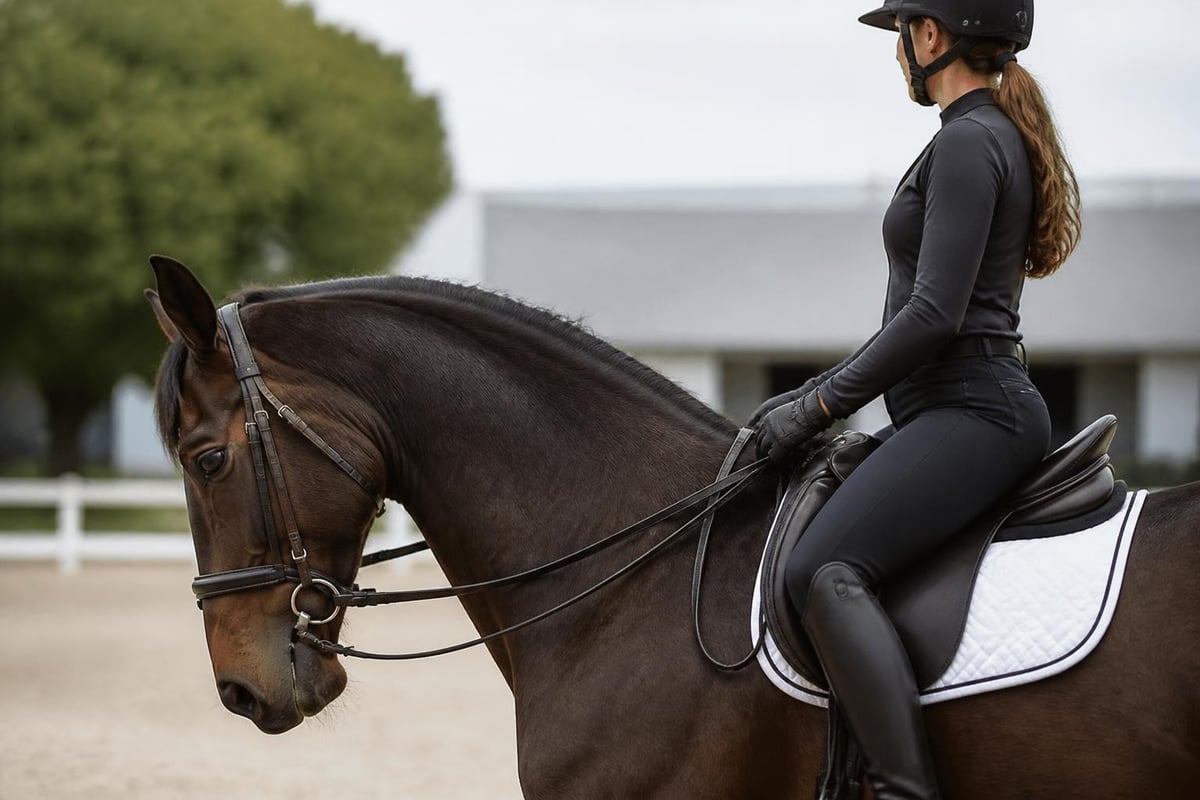
Finish distinguishes serious riding wear from casual athletic gear. The details matter: clean lines, thoughtful construction, and materials that maintain their appearance ride after ride. Quality equestrian style clothing looks presentable straight from the tack room, requiring minimal fuss before you're ready for whatever the day demands.
The Essential Pieces Every Rider Needs
Building a functional wardrobe starts with understanding which pieces form your foundation. Gallant Equestrian designs each garment with these principles in mind, creating a collection that covers the spectrum from daily training to formal competition.
Breeches and riding trousers represent your most critical investment. Modern technical fabrics offer four-way stretch whilst maintaining their shape over time. Look for moisture-wicking properties and strategically placed grip panels. Full-seat silicone provides maximum security for dressage or young horses, whilst knee patches offer traditional styling for jumping disciplines. The men's competition breeches with full seat exemplify this balance, delivering performance without sacrificing the clean lines expected in the show ring.
Riding shirts and polos need to perform under varied conditions. Breathable fabrics regulate temperature during intense schooling sessions, whilst tailored fits prevent excess fabric from interfering with your position. Long sleeves protect from sun exposure during summer hacks, and quality polo shirts transition seamlessly from arena to club terrace. Consider building a rotation that covers different weather scenarios and formality levels.
Layering pieces extend your riding season and adapt to changing conditions throughout the day. A well-designed sweatshirt serves double duty for early mornings and post-ride barn work. Rain jackets need to be genuinely waterproof whilst allowing freedom of movement in the shoulder. Winter riding jackets for men require particular attention to weight distribution and thermal properties that function in the saddle, not just standing around.
Performance Fabrics and Technical Innovation
The materials used in equestrian style clothing have advanced considerably over the past decade. Understanding these developments helps you make informed choices about what you wear.
Modern technical textiles address the specific challenges riders face. Advanced moisture management systems move perspiration away from skin whilst maintaining breathability. Research detailed in the Springer study on textile advances shows how fabric engineering now controls both temperature and moisture transfer at a molecular level. This translates to comfort during demanding rides and faster recovery between sessions.
Material Selection for Different Riding Scenarios
| Riding Context | Ideal Fabric Properties | Key Considerations |
|---|---|---|
| Daily Training | Four-way stretch, moisture-wicking, durable | Needs to withstand frequent washing, maintain shape |
| Competition | Structured stretch, minimal bulk, crisp appearance | Must meet discipline standards, photograph well |
| Wet Weather | Waterproof membrane, breathable, articulated cut | Shoulder mobility crucial, pit zips add versatility |
| Winter Riding | Thermal regulation, wind resistance, layerable | Weight distribution matters in saddle, avoid bulk |
Sustainability increasingly influences material choices in equestrian style clothing. The Textile Exchange Materials Benchmark provides industry guidance on preferred fibers and responsible sourcing. Quality manufacturers now balance performance requirements with environmental responsibility, creating garments built to last rather than follow fast-fashion cycles.
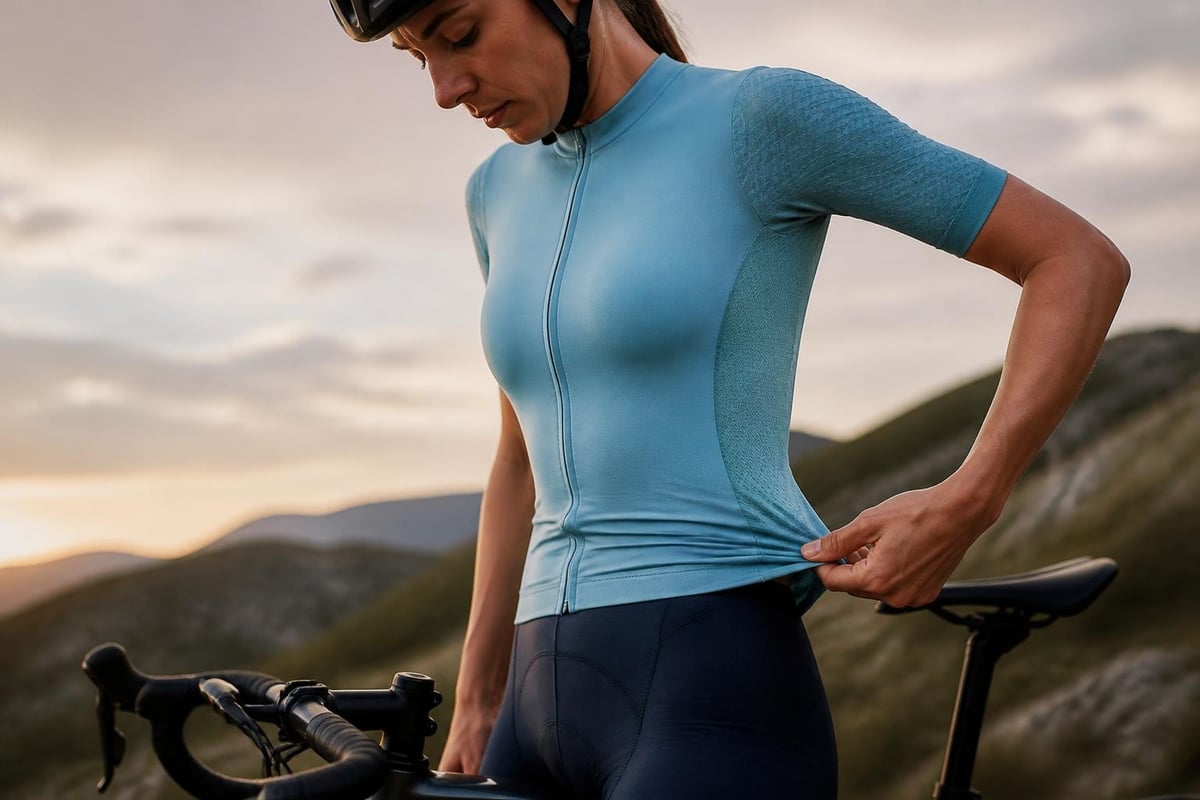
Durability remains paramount. Equestrian style clothing faces unique stresses from saddle contact, weather exposure, and frequent cleaning. Premium fabrics justify their cost through longevity, maintaining appearance and performance through countless rides. This makes investing in well-constructed pieces from reputable makers more economical over time than repeatedly replacing cheaper alternatives.
Transitioning from Stable to Street
One defining characteristic of contemporary equestrian style clothing is its versatility. The rigid separation between riding gear and everyday wear has dissolved, replaced by pieces that serve multiple contexts without looking out of place in any.
This shift reflects both changing fashion sensibilities and practical rider needs. Few of us have time to change between every activity, and modern equestrian style clothing acknowledges that reality. A quality polo shirt works equally well for schooling, running errands, or meeting friends for lunch. Technical riding trousers in neutral colors pair with casual footwear for a polished weekend look.
The influence flows both directions. Vogue's exploration of contemporary equestrian style examines how traditional riding aesthetics continue shaping broader fashion trends. Clean lines, refined tailoring, and functional elegance translate across contexts, creating a cohesive personal style rooted in riding but extending well beyond it.
Building a Versatile Wardrobe
Smart wardrobe planning maximizes utility whilst minimizing excess. Start with a core of neutral colors that coordinate easily: navy, black, bone, and olive form a foundation that works across settings. These shades meet most competition requirements whilst remaining appropriate for casual wear.
Color coordination strategy:
Navy serves as your most versatile base. It photographs well, hides stable dirt better than lighter shades, and coordinates with nearly everything. The men's breeches in navy exemplify this approach, offering a foundation piece that anchors multiple outfit combinations.
Black provides formality when needed and suits most riders' complexions. It's particularly effective for competition shirts and show jackets, where tradition still holds considerable sway.
Bone and lighter neutrals offer contrast and work beautifully in warmer months. These shades keep you cooler under summer sun whilst maintaining the polished appearance expected in equestrian circles.
Olive and earth tones add subtle variety without abandoning the neutral palette. These colors suit outdoor contexts particularly well, blending natural environments whilst remaining distinctly equestrian in character.
Competition Standards and Show Ring Requirements
Understanding competition attire requirements prevents last-minute scrambles and ensures you present yourself appropriately at every level. Standards vary by discipline and governing organization, but certain principles apply universally.
The US Equestrian rulebook details current requirements for various disciplines, including recent updates on protective gear and permitted colors. Dressage maintains the most formal standards, typically requiring white or light-colored breeches, dark jackets, and conservative shirts. Show jumping allows slightly more flexibility, particularly at lower levels, whilst eventing varies by phase.
Competition Attire by Discipline
| Discipline | Upper Body | Lower Body | Additional Requirements |
|---|---|---|---|
| Dressage | Dark jacket, white/light shirt, stock tie | White/light breeches, tall boots | Gloves, helmet per ASTM standards |
| Show Jumping | Conservative jacket or show shirt | Light or dark breeches, tall boots | Helmet, medical armband recommended |
| Eventing (Dressage) | As per pure dressage standards | White/light breeches | Body protector for cross-country |
| Eventing (Show Jumping) | As per show jumping standards | Light or dark breeches | Cross-country colors often permitted |
Safety equipment takes precedence over aesthetics. Helmets must meet current ASTM F1163 standards regardless of discipline. Many competitions now require or strongly recommend body protectors, particularly for cross-country phases and when riding young or unpredictable horses. These requirements reflect evolving understanding of rider safety and should be embraced rather than resisted.
Show shirts deserve particular attention. They must present cleanly without excessive bulk under jackets. The men's show shirt in white offers traditional styling suitable for formal competition, whilst the white and navy option adds subtle detail for riders seeking individuality within conventional parameters. Pair either with a proper competition tie and you're prepared for any dressage arena.
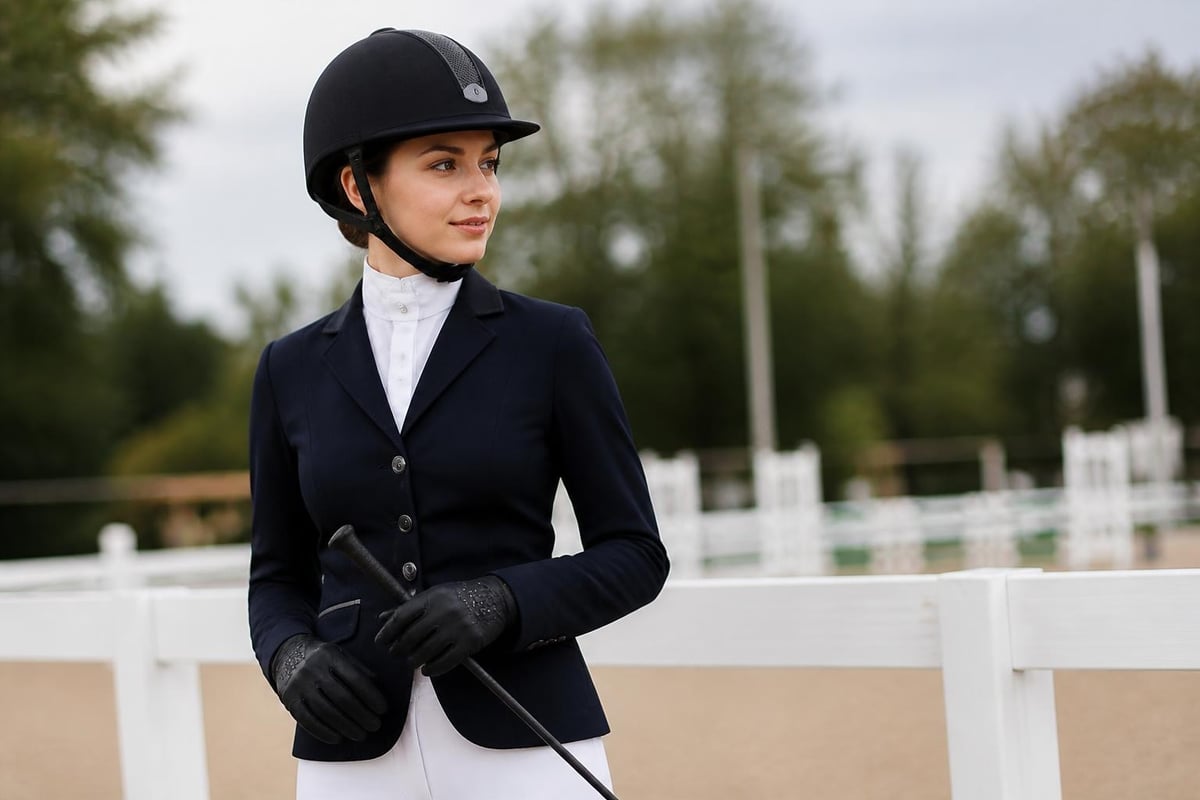
Safety Considerations in Equestrian Style Clothing
Equestrian style clothing must never compromise safety for appearance. Certain pieces serve protective functions that transcend aesthetic concerns.
Visibility becomes critical for road work and early morning/evening rides. The British Horse Society's hi-vis guidance provides evidence-based recommendations for riders sharing roads with traffic. Reflective elements and fluorescent colors dramatically increase visibility to motorists, potentially preventing accidents. Modern designs integrate these safety features more subtly than previous generations, making visibility gear less obtrusive whilst maintaining effectiveness.
Protective headgear represents your most important safety investment. Technology continues advancing helmet design, improving impact absorption whilst reducing weight and improving ventilation. Replace helmets after any significant impact and according to manufacturer guidelines, typically every three to five years regardless of visible damage.
Proper footwear merits serious consideration, though it falls outside clothing per se. Boots with defined heels prevent feet slipping through stirrups, whilst appropriate sole materials provide grip without excessive tread that could catch. Many riders overlook this fundamental safety element in pursuit of fashionable but inappropriate footwear.
Seasonal Adaptations and Weather-Responsive Dressing
British weather demands flexibility in equestrian style clothing. Successful riders layer strategically, adapting to conditions throughout the day without returning to the house between sessions.
Summer approaches prioritize breathability and sun protection. Light-colored technical fabrics reflect heat whilst wicking moisture. Long sleeves often prove more comfortable than short in direct sun, protecting skin whilst facilitating better temperature regulation than exposed arms. The men's polo shirts offer an excellent compromise: traditional styling with modern performance fabrics that breathe effectively during warm-weather riding.
Winter layering requires thoughtful planning. Base layers should fit snugly without restricting movement, moving moisture away from skin. Mid-layers provide insulation whilst maintaining mobility through the shoulder and elbow. Outer shells protect from wind and precipitation without adding excessive bulk that interferes with rider position. The winter layers kit demonstrates this principle, combining pieces that work together for maximum versatility across conditions.
Wet weather gear needs to perform reliably. Nothing undermines a riding session faster than being cold and wet. Quality rain jackets feature proper waterproof membranes, not merely water-resistant coatings that fail after a few washes. The wet weather riding kit provides comprehensive protection whilst maintaining the freedom of movement essential for effective riding.
Layering Strategy for Variable Conditions
Start with a moisture-wicking base layer that fits close to skin. This foundation regulates temperature and prevents the clammy feeling that develops when cotton holds sweat against your body.
Add insulating mid-layers as temperature dictates. A lightweight sweatshirt serves most spring and autumn days, whilst winter may require additional thermal layers. The men's sweatshirt in navy offers classic styling with modern comfort, suitable for wearing alone or under jackets.
Top with weather-appropriate outer layers. Rain jackets stay in your boot room year-round, ready for unexpected showers. The men's rain jacket provides reliable protection without the stiff, noisy fabric that spooks sensitive horses.
Practical Care and Maintenance
Equestrian style clothing represents a significant investment. Proper care extends garment life and maintains performance properties that separate quality pieces from mediocre alternatives.
Washing guidelines: Always check manufacturer labels, but general principles apply broadly. Turn breeches inside out before washing to protect grip panels and exterior finish. Use cool or warm water rather than hot, which can degrade elastic fibers and technical fabrics. Skip fabric softeners, which coat fibers and reduce moisture-wicking properties. Wash riding clothes separately from heavily soiled barn gear to prevent excessive wear from grit and debris.
Drying methods significantly impact garment longevity. Air drying preserves fabric integrity better than machine drying, though quality technical fabrics generally tolerate low-heat tumble drying. Never use high heat, which damages elastic components and can shrink garments irreversibly. Hang items promptly after washing to minimize wrinkles and maintain shape.
Storage considerations protect your investment between rides. Ensure clothes are completely dry before storing to prevent mildew. Use proper hangers for jackets and shirts rather than folding, which creates creases and stresses fabrics at fold lines. Store breeches flat or rolled rather than hung, which can stretch waistbands over time.
Prompt stain treatment makes the difference between a minor mark and permanent discoloration. Rinse mud and manure as soon as practical rather than allowing them to dry and set. Address grass stains with appropriate pre-treatment before washing. Oil-based stains require different treatment than water-based marks; understanding basic stain chemistry pays dividends.
Building Your Signature Style
Equestrian style clothing offers room for personal expression within traditional parameters. Developing your signature look involves understanding which elements remain fixed and where flexibility exists.
Classic combinations never fail: navy breeches with white or light blue shirts, black boots, subtle accessories. This foundation works across contexts and never appears outdated or inappropriate. Build from this base, adding personal touches through color choices, fit preferences, and carefully selected details.
Quality over quantity remains the wisest approach. Three well-made shirts you actually wear outperform ten mediocre ones gathering dust. The every day rider kit demonstrates this philosophy, providing essential pieces that coordinate seamlessly and cover most riding scenarios.
Consider how equestrian style clothing reflects your riding philosophy. Are you a disciplined competitor focused on precision? Your wardrobe likely emphasizes clean lines and traditional colors. Do you ride primarily for pleasure, enjoying countryside hacks and casual schooling? Your choices might include more relaxed fits and outdoor-friendly earth tones. Neither approach is superior; both represent authentic expressions of different riding experiences.
Confidence matters more than following every trend. Wear what makes sense for your riding, fits properly, and makes you feel capable. That assurance translates through your position and handling, communicating itself to your horse more clearly than any specific garment choice ever could.
Equestrian style clothing has evolved to meet modern riders' demands for performance, versatility, and refined appearance. The pieces you choose affect not just how you look but how effectively you ride and how confidently you move through your day. Gallant Equestrian understands these requirements, creating performance-driven clothing designed specifically for men who ride seriously. Our New Zealand-designed collection delivers essential pieces that work as hard as you do whilst maintaining the polished aesthetic the sport demands. Look the Part. Enjoy the Ride.

