

Horse Riding Clothes Sale: Smart Shopping Guide for Men
Apr 04, 2026
A horse riding clothes sale presents the perfect opportunity to upgrade your riding wardrobe without compromising on quality. For men who take their riding seriously, knowing how to navigate these sales makes the difference between building a functional wardrobe and accumulating gear that doesn't quite fit the brief. The key lies in understanding what you actually need, recognising genuine value, and investing in pieces that perform season after season.
Understanding What Makes a Sale Worth Your Time
Not all sales offer equal value. A genuine horse riding clothes sale should feature quality pieces at reduced prices, not clearance of substandard stock. Before diving in, assess whether the brands on offer meet your standards for durability and performance.
The best sales align with seasonal transitions. Spring and autumn typically bring the most substantial discounts as retailers make room for new collections. However, timing alone doesn't guarantee value. You need to know your measurements, understand your riding requirements, and recognise which pieces fill genuine gaps in your wardrobe.
Quality equestrian clothing represents an investment in your riding comfort and safety. During sale periods, you're simply getting that investment at a more favourable price point. The fundamentals of choosing appropriate riding attire remain unchanged, regardless of whether you're paying full price or taking advantage of discounts.
Pre-Sale Preparation
Create a shortlist before the sale begins. Review your current wardrobe and identify what you genuinely need. Perhaps your breeches have worn thin at the knees, or your competition jacket no longer fits properly. Maybe you've been putting off purchasing a quality waterproof jacket.
Write down your measurements. Waist, inside leg, chest, and sleeve length form the foundation of proper fit. Many riders skip this step and end up with ill-fitting garments that seemed like bargains at the time.
Research regular prices. Understanding typical retail costs helps you recognise genuine discounts versus inflated "sale" pricing. Reputable brands maintain consistent pricing structures, making it easier to identify legitimate reductions during promotional periods.

Prioritising Your Purchase List
Essential Pieces That Warrant Investment
Breeches sit at the top of most riders' priority lists, and for good reason. You wear them every ride, they take considerable punishment, and poor quality shows quickly. During a horse riding clothes sale, prioritise securing two or three pairs of well-constructed breeches rather than five pairs of questionable quality.
Look for four-way stretch fabric, reinforced knee patches, and well-positioned seams. The difference between adequate breeches and excellent ones becomes apparent after a dozen rides. Selecting the right breeches involves understanding these construction details.
Jackets deserve similar attention. Whether you need competition wear or everyday riding outerwear, a properly fitted jacket enhances both performance and presentation. Technical features matter: breathability, weather resistance, and freedom of movement through shoulders and arms all contribute to riding comfort.
Base layers often get overlooked during sales, yet they form the foundation of comfortable riding in varying conditions. Moisture-wicking shirts and temperature-regulating fabrics make long hours in the saddle significantly more pleasant.
Items That Can Wait
Accessories and decorative pieces frequently appear in sales, but they shouldn't distract from essential wardrobe building. Belts, gloves, and casual wear can wait if your budget requires prioritising core riding gear.
Trendy colours or patterns might seem appealing at reduced prices, but classic navy, black, grey, and white offer more versatility. Unless you genuinely love a particular colour, stick with timeless options that coordinate easily with the rest of your wardrobe.
Competition-specific items warrant careful consideration. If you compete regularly, sale prices on show jackets and formal wear make sense. However, if you show once or twice yearly, this might not be where your budget delivers maximum value.
Evaluating Quality During Sales
Construction Details That Matter
Examine seam placement and stitching quality. Poorly positioned seams create discomfort during riding, particularly in breeches. Double stitching in high-stress areas indicates durability. Flat-locked seams prevent chafing better than traditional construction.
Check fabric composition. Natural fibres blended with technical synthetics typically outperform pure synthetic or pure natural options. The blend should offer stretch, durability, and breathability. Heavy, stiff fabrics suggest older technology or lower quality manufacturing.
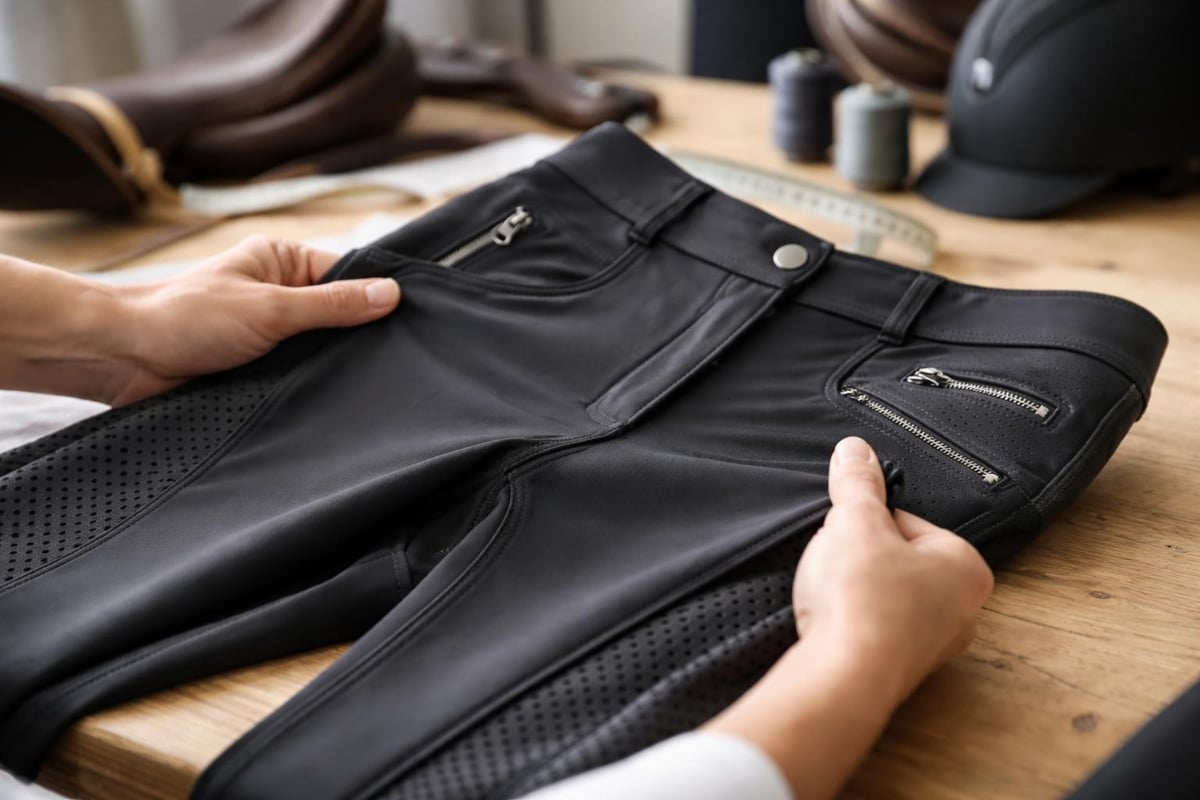
Hardware tells stories. Quality zippers run smoothly and feature branded pulls. Buttons should attach securely with reinforced stitching. Press studs need sufficient spring to hold reliably without excessive force.
Fit Assessment When Shopping Online
Online horse riding clothes sale events require additional diligence regarding fit. Read size guides carefully, noting whether brands run true to size or tend towards generous or slim cuts. Understanding equestrian gear selection helps navigate these decisions with confidence.
Customer reviews often reveal fit insights that size charts miss. Look for comments from riders with similar builds to yours. Pay attention to feedback about length, particularly in breeches and jackets.
Return policies matter enormously when purchasing sale items. Some retailers exclude sale goods from standard returns, while others maintain consistent policies regardless of price. Factor this into your decision-making, especially when trying new brands or sizes.
| Fit Checkpoint | What to Look For | Red Flag |
|---|---|---|
| Breeches waist | Sits comfortably without gaping or binding | Excessive tightness requiring one size up |
| Knee patches | Align with your knee when mounted | Patches sitting too high or low |
| Jacket shoulders | Natural shoulder line without pulling | Fabric bunching or arm restriction |
| Sleeve length | Cuff sits at wrist bone | Sleeves riding up during riding position |
Seasonal Considerations for Sale Shopping
Building Your Year-Round Wardrobe
Spring sales favour lightweight and transitional pieces. This timing suits riders in temperate climates who need versatile options that layer effectively. Look for breathable competition shirts, lightweight jackets, and performance riding wear that works across seasons.
Autumn typically brings the heaviest discounts on summer stock. If storage isn't an issue, this represents excellent value on technical shirts and warm-weather breeches. Planning ahead means you're equipped when temperatures rise again.
Winter sales clear cold-weather gear, but timing matters. Shopping mid-winter versus late winter yields different inventory. Mid-season sales offer better selection, while end-of-season clearances provide steeper discounts on remaining stock.
Understanding how equestrian brands approach seasonal collections helps you anticipate when specific items might go on sale. Premium brands often maintain two major collection releases annually, with sales timed around these transitions.
Climate-Specific Strategies
Riders in consistently warm climates can focus sales budgets on breathable, moisture-wicking pieces. Multiple pairs of quality breeches and technical shirts deliver more value than investment in heavyweight layers you'll rarely need.
Those facing harsh winters should prioritise quality outer layers during sales. A well-constructed waterproof jacket at sale price represents years of reliable service. Similarly, thermal base layers purchased during promotional periods extend your comfortable riding season significantly.
Variable climates demand versatile wardrobes. Sale opportunities help build layering systems without excessive expenditure. Focus on pieces that combine effectively: base layers, mid-layers, and weather-resistant outer shells that work together.
Making the Most of Limited Budgets
Strategic Spending Approaches
Establish your budget before browsing. A horse riding clothes sale can tempt overspending, particularly when confronted with multiple appealing items at reduced prices. Decide your maximum expenditure and stick to it.
Allocate funds based on need and frequency of use. If you ride daily, investing more in breeches makes sense. Weekend riders might balance their budget differently, perhaps prioritising a quality jacket over multiple pairs of breeches.
Consider cost per wear. A £100 pair of breeches worn twice weekly for two years costs approximately 48p per wear. A £40 pair that wears out in six months costs significantly more per use. This calculation helps justify spending more during sales on items that will deliver lasting value.
Smart purchasing strategies extend beyond simply buying discounted items. They involve understanding your riding lifestyle and investing accordingly, whether during sales or at regular pricing.
When to Pay Full Price
Some items warrant full-price purchase even when sales are imminent. If your current breeches have failed and you're riding in discomfort, waiting three months for a sale makes little sense. Immediate needs trump delayed savings.
New riders often benefit from purchasing core items at full price with expert fitting assistance. Once you understand how quality equestrian clothing should fit and perform, you're better equipped to shop sales confidently.
Highly specialised competition wear sometimes appears in sales, but sizing availability becomes limited quickly. If you need specific dimensions for an upcoming event, paying full price for guaranteed availability beats gambling on sale stock.
Building a Cohesive Sale Wardrobe
Creating a Capsule Collection
The concept of a capsule wardrobe applies beautifully to equestrian clothing. During sales, focus on pieces that coordinate rather than standalone items that don't integrate with your existing gear.
Start with neutral foundations. Navy and black breeches, white and light blue shirts, and classic jacket colours create maximum versatility. These pieces work together regardless of combination, simplifying daily dressing while maintaining a polished appearance.
Add personality through accents rather than core pieces. A distinctive belt or quality gloves personalise your look without limiting coordination options. Sale periods offer opportunities to experiment with these additions at lower risk.
Quality basics purchased during sales form the backbone of long-term wardrobe satisfaction. Three pairs of excellent breeches in coordinating colours serve you better than six pairs that don't quite meet your standards, even if the latter cost less overall.
Mixing Sale Finds with Full-Price Pieces
Your wardrobe will naturally include items purchased at various price points. The key lies in maintaining consistent quality standards regardless of what you paid. A discounted jacket from a reputable brand integrates seamlessly with full-price breeches from the same or similar quality tier.
Avoid the temptation to compromise standards simply because something's on sale. A poorly constructed shirt at 70% off still represents poor value if you don't enjoy wearing it. Trust your judgment about quality and fit, regardless of pricing.
Building a wardrobe over multiple sale cycles creates opportunities to invest thoughtfully. Perhaps this season focuses on breeches, while next season's budget priorities outerwear. This approach maintains quality while spreading expenditure across time.
Post-Purchase Care and Maintenance
Protecting Your Investment
Proper care extends the life of sale purchases just as it does full-price items. Follow washing instructions precisely, particularly for technical fabrics. Cold water washing and air drying preserve fabric properties and prevent premature wear.
Store items correctly between uses. Breeches folded at the knee can develop permanent creases. Hang jackets on proper hangers to maintain shoulder shape. These simple habits protect your investment regardless of original purchase price.
Address minor repairs promptly. A loose button or small seam separation takes minutes to fix when caught early. Left unattended, these issues escalate into garment failure. Many riders find maintaining and eventually reselling quality riding clothes keeps their wardrobe fresh while recouping some costs.
| Care Task | Frequency | Impact on Longevity |
|---|---|---|
| Proper washing per label instructions | After each wear | Prevents fabric degradation and maintains technical properties |
| Button and hardware inspection | Monthly | Catches issues before garment failure |
| Seam checking | Quarterly | Identifies stress points needing reinforcement |
| Professional cleaning for competition wear | As needed | Maintains presentation and extends garment life |
Knowing When to Replace
Even quality items eventually require replacement. Thinning fabric, permanent stains, or compromised stretch indicate it's time to retire a piece. A horse riding clothes sale provides the perfect opportunity to refresh worn items.
Track your purchases and their performance. Understanding which brands and styles deliver best value informs future sale shopping. This knowledge helps you navigate promotions with confidence, knowing which discounts represent genuine opportunities.
Rotation extends garment life significantly. Owning three pairs of breeches and rotating them creates less wear than alternating between two pairs. Sales help build this rotation economically.
Understanding Brand Positioning in Sales
Premium Brands and Discount Events
Established equestrian brands approach sales strategically. Many maintain pricing integrity through limited promotional periods rather than constant discounting. When these brands do run sales, the reductions typically reflect genuine value rather than inflated baseline pricing.
Newer brands often use aggressive sale pricing to build market presence. This can represent excellent value, particularly if the quality matches established competitors. However, research construction and fabric quality rather than assuming all discounts indicate bargains.
Riding clothes brands vary enormously in their approach to men's equestrian wear. Some specialise in technical performance, others emphasise traditional styling, and a select few successfully blend both priorities. Understanding these distinctions helps you identify which sale items align with your riding requirements.
Direct-to-Consumer Advantages
Brands selling directly to consumers often offer better value during sales by eliminating retailer margins. This model allows for more substantial discounts while maintaining quality standards. Performance-driven equestrian clothing designed specifically for men benefits from this approach, delivering both style and function at accessible price points.
Direct relationships also provide better size guidance and customer service. When questions arise about fit or features, you're communicating with the brand itself rather than through intermediaries. This proves particularly valuable when purchasing sale items online.
Regional Sale Patterns and Timing
Northern Hemisphere Cycles
Countries in the Northern Hemisphere typically see major sales in January and July. Post-holiday clearances in January make room for spring collections, while mid-year sales transition from summer to autumn inventory. Understanding these patterns helps you plan purchases strategically.
Competition seasons influence sale timing. Many riders refresh wardrobes before major competition periods, creating natural retail cycles. Sales often precede these peak times rather than following them, allowing riders to update gear before intensive showing schedules.
Regional climate variations affect timing. Areas with extended riding seasons might see more frequent but smaller promotional events, while regions with distinct riding and off-seasons typically feature more concentrated sale periods.
Shopping Internationally
Online retail enables access to international horse riding clothes sale events. Time zone differences and shipping considerations require planning, but expanded options often justify the effort. Currency fluctuations can enhance or diminish perceived value, so factor exchange rates into price comparisons.
Import duties and taxes vary significantly between countries. What appears an excellent price may become less attractive once additional charges apply. Research these costs before committing to international purchases, particularly for higher-value items.
Shipping timelines matter when you need items for specific events. International orders typically take longer than domestic purchases. If you require items urgently, domestic sales might serve you better despite potentially smaller discounts.
Smart shopping during a horse riding clothes sale combines preparation, quality assessment, and strategic thinking. The goal isn't simply spending less, but rather investing wisely in pieces that enhance your riding experience and serve you reliably for years. When you're ready to build or refresh your riding wardrobe with thoughtfully designed, performance-focused pieces, Gallant Equestrian offers collections crafted specifically for men who value both function and style. Look the Part. Enjoy the Ride.

