

Horse Riding Uniforms: A Complete Guide for Men | 2026
Jul 30, 2026
Getting dressed for the ride isn't just about throwing on any old kit. Horse riding uniforms have evolved from purely functional gear into sophisticated attire that balances tradition, performance, and personal style. Whether you're heading to the arena, hacking through trails, or competing at shows, understanding what to wear makes a real difference to your comfort and confidence in the saddle.
Understanding the Foundation of Horse Riding Uniforms
The term "horse riding uniforms" encompasses everything from daily training wear to formal competition attire. Unlike casual sportswear, these garments serve multiple purposes simultaneously. They need to allow freedom of movement, provide protection, maintain comfort during hours in the saddle, and meet the specific requirements of different equestrian disciplines.
Traditional equestrian attire draws from centuries of riding heritage. The history of equestrian clothing reveals how military influences, hunting traditions, and practical necessities shaped what riders wear today. Modern horse riding uniforms retain these classical elements while incorporating contemporary fabrics and design innovations that enhance performance.
The Core Components
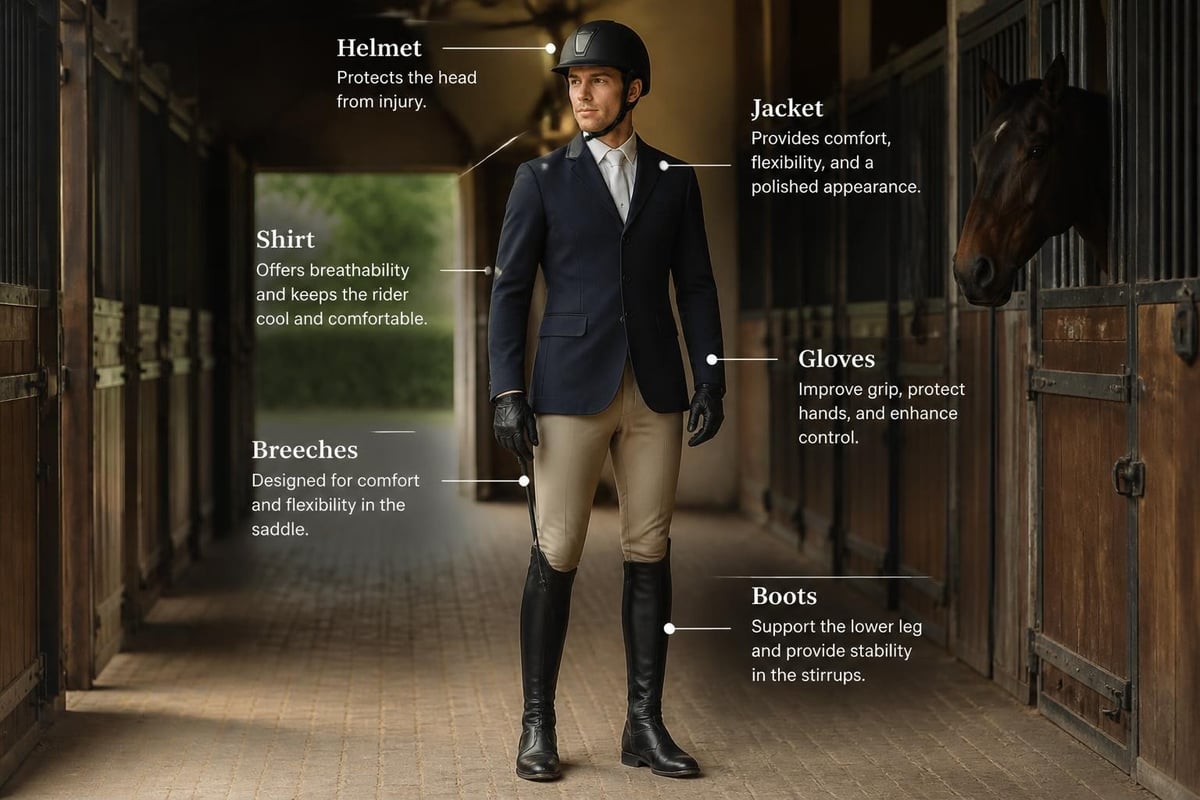
Every rider needs a solid foundation wardrobe. At minimum, this includes breeches, riding boots, a helmet, and appropriate upper body layers. Each piece serves a specific function. Breeches provide grip and flexibility. Boots offer protection and support. Helmets are non-negotiable safety equipment. Layers adapt to changing weather and activity levels.
The beauty of well-chosen horse riding uniforms lies in their versatility. Quality pieces transition seamlessly from stable yard to social settings. This dual functionality makes investing in proper riding wear both practical and economical.
Discipline-Specific Requirements
Different riding disciplines demand specific uniform standards. Dressage, show jumping, eventing, and casual riding each have distinct conventions. Understanding these requirements helps you dress appropriately for any situation.
Dressage Attire
Dressage represents the most formal end of the spectrum. The evolution of dressage attire demonstrates how this discipline maintains strict traditional standards. For training, riders typically wear light-colored breeches, tall boots, and a conservative shirt or polo. Competition demands shadbelly coats or tailcoats at higher levels, with white breeches creating the classical silhouette.
The formality serves a purpose beyond aesthetics. The traditional dressage uniform creates clean lines that help judges assess rider position and horse movement. Every detail matters, from glove color to stock tie presentation.
Show Jumping and Eventing
Show jumping allows more modern interpretation. Navy or neutral breeches pair with show jackets in traditional colors or subtle patterns. The emphasis shifts toward practical elegance. Riders need freedom of movement without sacrificing professional appearance.
Eventing combines all three phases, each with specific uniform requirements. Dressage follows formal standards. Cross-country permits technical fabrics and body protectors, prioritizing safety. Show jumping returns to traditional presentation. This variety makes eventing wardrobe planning particularly interesting.
Training and Casual Riding
Daily riding offers the most flexibility. Here, horse riding uniforms focus on comfort and functionality rather than tradition. Quality breeches in practical colors, comfortable shirts, and weather-appropriate layers form the foundation. Many riders appreciate how modern technical fabrics enhance everyday riding experiences.
The British Horse Society guidelines emphasize safety and comfort for casual riding. Proper footwear, helmets, and visible clothing for road riding take priority over formality.
Choosing Your Breeches
Breeches represent perhaps the most essential element of horse riding uniforms. The history of these specialized trousers shows their evolution from military riding pants to today's technical garments. Modern breeches incorporate stretch fabrics, strategic grip panels, and ergonomic seaming that supports riding position.
Fit and Function
Proper breech fit makes or breaks your riding experience. Too tight restricts movement and creates discomfort. Too loose bunches under your boots and reduces contact with the horse. The right pair feels like a second skin, moving with you rather than against you.
Quality breeches feature reinforced seat and knee areas where friction occurs. Full-seat breeches provide maximum grip across the entire saddle area, ideal for dressage and training. Knee-patch breeches offer grip only at key contact points, preferred by many jumpers for their lighter feel.
Fabric Considerations
Technical fabrics transformed modern horse riding uniforms dramatically. Traditional cotton gave way to performance blends offering four-way stretch, moisture-wicking properties, and quick-drying capabilities. These advances mean you stay comfortable whether riding in summer heat or winter cold.
Different weights suit different seasons and purposes. Summer breeches use lighter, more breathable fabrics. Winter options incorporate thermal properties without adding bulk. Year-round styles balance versatility with performance.
Upper Body Layers
Choosing the right jackets and shirts completes your riding uniform. Layering systems work best, allowing adjustment as you warm up during exercise or face changing weather conditions.
Competition Jackets
Show jackets adhere to discipline-specific traditions while incorporating modern tailoring. Traditional colors include navy, black, and subtle earth tones. Contemporary cuts allow better shoulder movement and breathing room through the chest and arms compared to vintage styles.
Fabric technology now delivers stretch and water-resistance in formal show jackets. This means you can ride comfortably in light rain without sacrificing presentation. The best competition jackets balance traditional appearance with practical performance.
Training Shirts and Polos
Daily riding shirts range from technical tees to classic polos. Performance fabrics wick moisture, resist odor, and maintain shape through countless wash cycles. Many riders keep a rotation of versatile pieces that work equally well for morning schooling sessions and afternoon errands.
Polo shirts strike an excellent balance between smart and functional. They look presentable for lessons or casual shows while providing comfort during active riding. Quality construction ensures collar shape retention and color fastness.
Weather Protection
British weather demands serious outerwear. A proper waterproof riding jacket keeps you dry without restricting movement. Look for features like longer backs for saddle coverage, articulated sleeves, and adjustable cuffs that accommodate gloves.
Breathability matters as much as waterproofing. Riding generates significant body heat. Your jacket needs to release moisture vapor while blocking external wet. Modern membrane technologies achieve this balance effectively.
Footwear Fundamentals
Boots complete horse riding uniforms and directly impact safety and performance. Riding boots protect your feet, provide crucial grip in stirrups, and prevent pinching against saddle leather.
Boot Styles
Tall boots offer maximum protection and traditional appearance. They're standard for dressage and formal show jumping. Jodhpur boots paired with half chaps provide similar coverage with easier on-off convenience for daily riding. Field boots feature lacing at the ankle for flexibility, while dress boots present a sleeker silhouette.
Quality construction matters tremendously in riding boots. Proper arch support, heel definition, and ankle structure contribute to correct leg position and comfort during long rides. Leather remains the premium choice for its durability and natural breathability, though synthetic options now deliver impressive performance.
Practical Considerations
Think about your typical riding routine when selecting boots. Multiple daily stable visits favor pull-on convenience. Competition riders often maintain separate boots for showing and training to preserve appearance. Weather-resistant treatments extend boot life significantly, particularly in wet climates.
Break-in periods vary by boot construction. Allow time for new boots to mold to your legs before important rides or shows. Regular care with appropriate cleaners and conditioners maintains leather suppleness and appearance.
Safety Equipment
Modern horse riding uniforms prioritize rider protection alongside style. Safety standards continue evolving as research advances understanding of impact protection and injury prevention.
Helmets
Helmets are mandatory across all disciplines and skill levels. Current safety standards ensure proper protection during falls. Replace helmets after any significant impact or every five years, whichever comes first. Proper fit is crucial. Helmets should sit level on your head, neither tilted back nor pulled too low over your eyes.
Contemporary helmet designs balance safety with comfort and appearance. Ventilation systems reduce heat buildup. Adjustable sizing systems ensure secure fit without pressure points. Many modern helmets look sleek enough that riders wear them confidently.
Body Protectors
Cross-country riders and those working with young horses often wear body protectors. These specialized vests absorb and distribute impact forces across larger areas, reducing injury severity during falls. Understanding body protector standards helps you select appropriate protection levels for your activities.
Fit is absolutely critical with body protectors. Too loose allows excessive movement during impact. Too tight restricts breathing and movement. Professional fitting ensures proper protection and comfort.
Building a Versatile Wardrobe
Smart riders build wardrobes around versatile foundations rather than accumulating single-purpose items. This approach maximizes value while ensuring appropriate attire for any riding situation.
| Wardrobe Level | Essential Items | Optional Additions |
|---|---|---|
| Foundation | 2-3 breeches, tall boots, helmet, basic shirt | Polo shirts, casual jacket |
| Intermediate | Competition jacket, show shirt, gloves, belt | Additional breeches, technical tops |
| Advanced | Multiple competition outfits, specialized boots, formal attire | Seasonal variations, backup equipment |
Color Strategy
Neutral colors provide maximum versatility. Navy, black, grey, and earth tones mix easily and suit most disciplines. These shades also hide stable dirt better than lighter options. Strategic additions of lighter tones refresh your look without requiring complete wardrobe overhauls.
Consider how pieces coordinate when purchasing new items. Horse riding uniforms should work together seamlessly, creating polished appearances from minimal pieces. This approach particularly benefits riders managing both training and competition requirements.
Investment Priorities
Start with proper breeches and boots. These items directly affect riding comfort and safety. Quality foundations last years with proper care, making them genuine investments. Budget options for items you'll outgrow or replace frequently, like base layers or training shirts.
As your riding advances, invest in discipline-specific competition wear. Competition-ready attire elevates your presentation and confidence at shows. Many riders find that looking professional helps them perform better.
Care and Maintenance
Proper care extends the life of horse riding uniforms significantly. Technical fabrics and leather goods require specific maintenance approaches that differ from regular clothing care.
Washing Technical Fabrics
Most modern riding wear machine washes easily. Use cool or warm water, mild detergent, and skip fabric softeners that damage moisture-wicking properties. Air drying preserves elasticity better than tumble drying. Turn garments inside out to protect exterior finishes and colors.
Breeches benefit from washing after every use, particularly during warm weather. Accumulated sweat and stable dirt degrade fabrics over time. Regular cleaning maintains both hygiene and garment performance.
Leather Care
Boots and leather goods need regular attention. Wipe down after each use to remove dirt before it sets. Condition monthly or as needed to prevent cracking. Store properly with boot trees maintaining shape. Address scratches and scuffs promptly to prevent permanent damage.
Quality leather improves with age when properly maintained. Well-cared-for boots develop character and mold perfectly to your legs. This patina adds to their appeal rather than diminishing value.
Storage Solutions
Proper storage preserves horse riding uniforms between uses. Hang jackets and shirts to prevent wrinkles. Fold breeches along natural creases. Store helmets away from extreme temperatures and direct sunlight. Keep boots upright to maintain shape and allow air circulation.
Seasonal rotation keeps wardrobes organized and ensures appropriate gear stays accessible. Pack away winter layers properly during summer months. Review stored items annually, addressing any needed repairs before the next season.
Modern Trends in Equestrian Wear
The evolution of equestrian fashion continues accelerating as riders demand both performance and style. Contemporary horse riding uniforms blend traditional aesthetics with cutting-edge materials and construction techniques.
Technical Innovation
Moisture-wicking fabrics, four-way stretch, and seamless construction represent standard features in quality modern riding wear. Advanced treatments add UV protection, antibacterial properties, and enhanced durability. These innovations improve comfort without compromising the classic appearance riders expect.
Sustainable materials increasingly appear in equestrian collections. Recycled fibers, eco-friendly dyes, and responsible manufacturing appeal to environmentally conscious riders. Performance needn't sacrifice sustainability.
Style Evolution
While maintaining discipline traditions, modern interpretations allow personal expression. Subtle details like contrasting stitching, unique buttons, or refined patterns add individuality within acceptable bounds. The key is understanding where tradition requires strict adherence versus where tasteful updates enhance rather than detract.
Men's equestrian fashion particularly benefits from this evolution. Historical options often felt limited. Contemporary designers recognize male riders deserve the same attention to fit, function, and style as their female counterparts.
Transitional Wear
The best modern horse riding uniforms transition effortlessly beyond the stable. Well-designed breeches pair with casual boots for errands. Quality polos and technical tees work for various activities. Finding the right pants that perform in the saddle and look good elsewhere saves time and wardrobe space.
This versatility reflects changing lifestyles. Riders integrate equestrian activities into busy schedules. Clothing that adapts to multiple contexts simply makes practical sense.
Regional and Climate Considerations
Horse riding uniforms must adapt to local conditions while maintaining appropriate standards. What works in temperate climates may prove impractical in extreme heat or cold.
Warm Weather Adaptations
Hot climates demand maximum breathability and sun protection. Lightweight fabrics with UV treatments protect skin during long hours outdoors. Lighter colors reflect heat, though they show dirt more readily. Mesh panels and strategic ventilation improve air circulation without compromising structure.
Hydration becomes crucial in heat. Some riders integrate hydration pack compatibility into their upper body layers. Quick-drying properties ensure comfort when switching between sweaty rides and air-conditioned environments.
Cold Weather Solutions
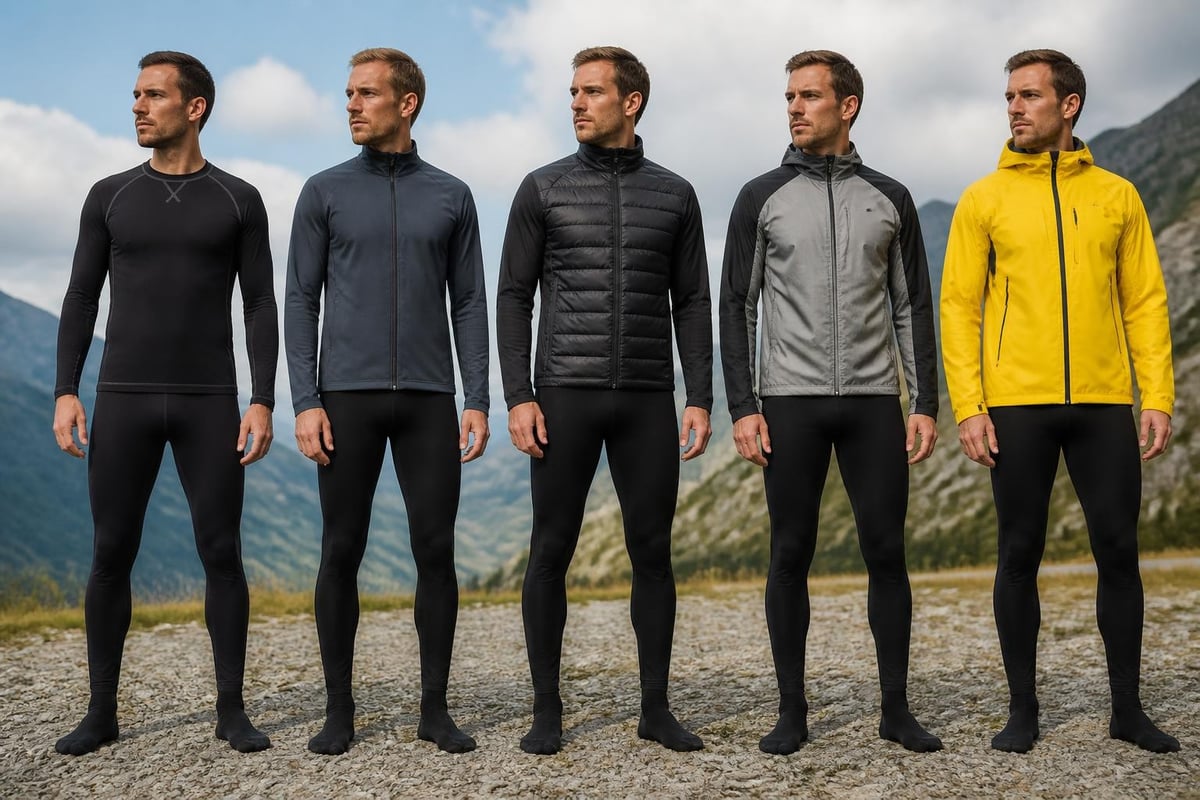
Winter riding requires thoughtful layering. Base layers manage moisture against skin. Mid-layers provide insulation without bulk. Outer shells block wind and precipitation. The challenge lies in maintaining flexibility and feel while staying warm.
Quality winter breeches incorporate thermal properties or accommodate base layers underneath. Heated vests and technical underlayers help riders maintain core temperature. Extremity protection matters too-warm gloves that preserve rein feel and thermal socks that fit inside boots without bunching.
Wet Conditions
British riders know wet weather intimately. Waterproof yet breathable outerwear is essential, not optional. Look for fully sealed seams, adjustable closures, and adequate coverage. Some riders keep complete backup outfits at the stable for unexpectedly wet conditions.
Water-resistant treatments on breeches and boots provide additional protection. Remember that truly waterproof often means less breathable. Choose appropriate protection levels for your typical conditions and activities.
Competitive Standards and Regulations
Different organizations and levels of competition maintain specific uniform requirements. Understanding these standards ensures you arrive appropriately dressed and avoid elimination for dress code violations.
Recognized Standards
Most disciplines publish detailed dress codes covering everything from helmet safety standards to acceptable jacket colors. These rules exist for good reasons-safety, tradition, and fair presentation standards. Review current requirements before competitions, as regulations do update.
Lower-level shows often relax certain requirements while maintaining safety standards. Higher-level competitions enforce stricter adherence to traditional presentation. Know your competition's expectations well in advance.
International Variations
If competing internationally, research host country expectations. While core requirements remain consistent, subtle differences exist between American, British, and Continental European standards. Details like stock tie styles, glove colors, or jacket cut variations can matter.
Traditional equestrian costume standards provide historical context for current requirements. Understanding why certain traditions persist helps riders respect and maintain them appropriately.
Practical Shopping Advice
Purchasing horse riding uniforms requires balancing quality, fit, budget, and intended use. Strategic shopping builds effective wardrobes without overspending.
Fitting Considerations
Always try on riding wear before purchasing when possible. Sizes vary significantly between brands. What fits in street clothes may not translate to riding wear. Breeches particularly require careful fitting-they should feel snug when standing, allowing slight ease in the saddle.
Order multiple sizes when shopping online. Compare fits directly. Most retailers accept returns on unworn items. The inconvenience of returns outweighs the frustration of ill-fitting gear.
Quality Indicators
| Feature | Quality Marker | Lower Quality Indicator |
|---|---|---|
| Stitching | Even, reinforced stress points | Loose threads, skipped stitches |
| Fabric | Substantial feel, good recovery | Thin, limp, poor stretch return |
| Hardware | Metal or quality composite | Plastic components, loose closures |
| Finishing | Clean seams, no raw edges | Visible glue, rough interior |
These indicators apply across price points. Even budget items should demonstrate solid construction. Premium pricing should deliver superior materials and finishing details.
Timing Purchases
End-of-season sales offer excellent value on quality items. Purchase winter gear in spring, summer pieces in autumn. Stock up on staples when prices drop. Competition wear rarely goes on deep discount-buy these items when needed rather than waiting for sales that may not materialize.
Building relationships with specialist retailers provides access to expert fitting advice and early notification of sales. Many shops offer loyalty programs rewarding regular customers.
Horse riding uniforms combine heritage, performance, and personal style into practical wardrobes that serve riders across disciplines and occasions. Whether you're just starting out or refining your competition wardrobe, investing in quality pieces that fit properly and suit your riding goals pays dividends in comfort, confidence, and longevity. Gallant Equestrian designs performance-driven menswear that transitions seamlessly from stable to street, delivering the functionality serious riders demand with the refined style modern equestrians appreciate. Look the Part. Enjoy the Ride.

