

Men's Horse Riding Pants: The Complete Guide (2026)
Oct 20, 2026
Choosing the right mens horse riding pants is one of the most important decisions you'll make as a rider. The wrong pair creates discomfort, restricts movement, and looks out of place whether you're schooling at home or competing at a championship. The right pair becomes almost invisible, allowing you to focus entirely on your horse and your performance. Understanding the differences between styles, fabrics, and fits transforms how you ride and how confident you feel doing it.
Understanding the Types of Mens Horse Riding Pants
Not all riding pants are created equal. The terminology alone can be confusing if you're new to the sport or transitioning from casual riding to more serious work. Breeches, jodhpurs, and riding tights each serve specific purposes, and knowing which to choose depends on your discipline, riding frequency, and personal preferences.
Breeches: The Traditional Choice
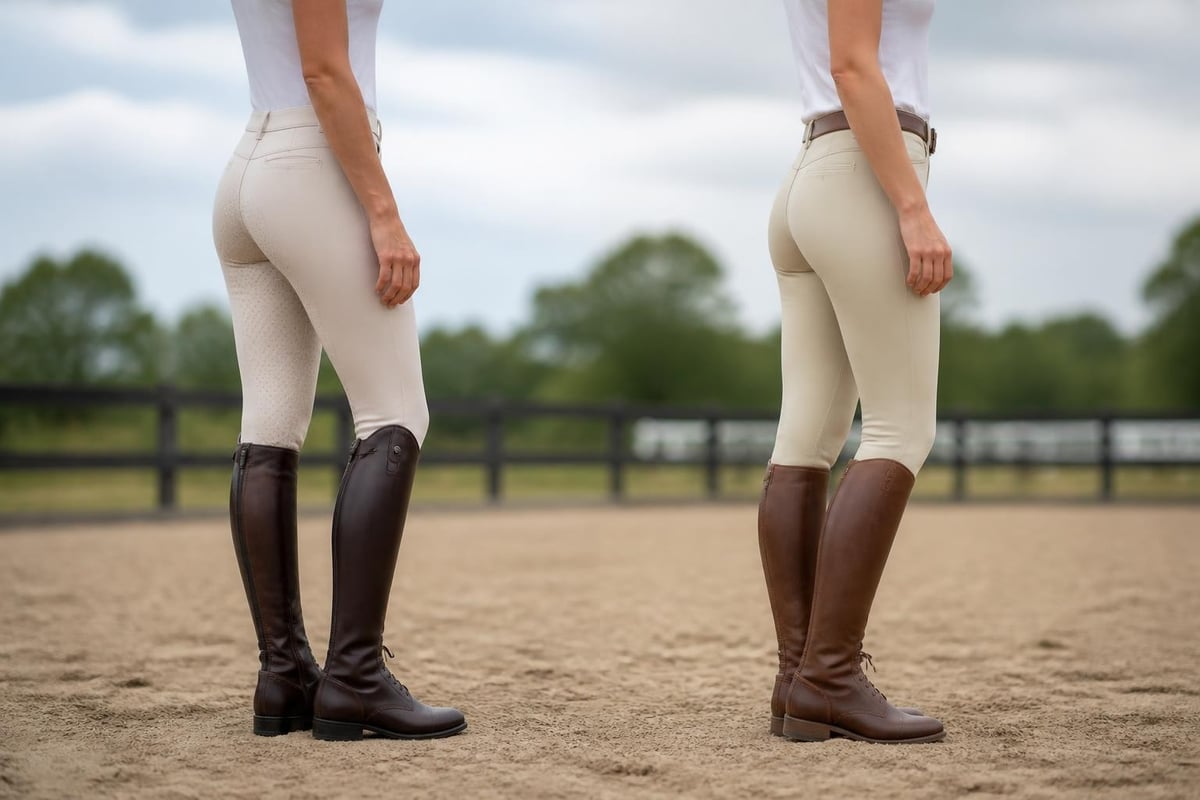
Breeches are the most common type of mens horse riding pants in modern equestrian sports. They extend to just below the knee and are designed to be worn with tall boots. The close fit through the leg eliminates fabric bunching and ensures your leg aids remain clear and precise. Horse & Hound's guide to breeches and jodhpurs explains how this traditional cut has evolved with modern fabrics whilst maintaining its essential function.
Breeches typically feature knee patches or full-seat grips made from leather, synthetic leather, or silicone. Knee-patch breeches offer grip where your leg contacts the saddle's knee rolls, whilst full-seat designs provide additional security across the entire seat area. For dressage riders seeking maximum stability, full-seat breeches are often preferred. Jumpers and eventers frequently opt for knee-patch styles that allow slightly more freedom of movement.
Jodhpurs: The Alternative
Jodhpurs extend to the ankle and are worn with short jodhpur boots and garter straps. Historically popular in certain riding traditions, they're less common in contemporary competition settings but remain practical for casual riding or specific disciplines. The ankle cuff design prevents the fabric from riding up and creates a clean line from hip to boot.
Some riders appreciate jodhpurs for their versatility, particularly when combining stable work with riding sessions. The single boot option simplifies getting ready and can be more economical than investing in tall boots initially.
Modern Riding Tights and Performance Fabrics
Riding tights represent the newest evolution in mens horse riding pants. Constructed from technical stretch fabrics similar to athletic compression wear, they offer exceptional flexibility and moisture management. Initially met with skepticism in traditional circles, performance riding tights have gained acceptance as riders recognize their practical advantages.
The slim, streamlined profile reduces bulk and improves feel. Advanced textile fibers like nylon blends and treated polyesters provide four-way stretch whilst maintaining shape retention ride after ride. Many designs incorporate strategic compression zones that support muscles during extended sessions in the saddle.
Fabric Technology and Performance
The fabric of your mens horse riding pants directly affects comfort, durability, and performance. Understanding material properties helps you select pants that match your riding conditions and personal needs.
Natural vs Synthetic Fibers
Cotton breeches were once standard but have largely been superseded by synthetic blends. Cotton absorbs moisture, takes longer to dry, and loses shape with repeated wear. Modern riding pants typically combine polyester, nylon, and spandex to create fabrics that stretch, breathe, and return to their original shape.
Polyester wicks sweat away from skin and dries quickly, essential during intense training sessions or warm weather riding. Nylon adds abrasion resistance, particularly important in high-wear areas like the inner leg and seat. Spandex or elastane provides the stretch that allows you to move naturally with your horse.
Some premium mens horse riding pants incorporate merino wool blends for temperature regulation. Wool naturally regulates body temperature, keeping you warm in winter and surprisingly cool in summer. It also resists odor better than synthetic fibers, a practical advantage during multi-day competitions.
Breathability and Moisture Management
Quality riding pants feature moisture-wicking properties that pull sweat away from your skin and spread it across the fabric's outer surface where it evaporates. This keeps you drier and prevents the chafing that occurs when wet fabric rubs against skin during posting or two-point position.
Mesh panels in strategic locations, such as behind the knees or along the lower leg, enhance airflow. Some designs use perforated synthetic leather in seat patches, allowing air circulation whilst maintaining grip. These features become critical during summer riding or in indoor arenas with limited ventilation.
Fit Considerations for Male Riders
Proper fit separates adequate mens horse riding pants from exceptional ones. Unlike women's breeches, men's designs account for different body proportions, including hip-to-waist ratios and thigh shapes. Research using 3D body scanning for breeches fit demonstrates how riding posture creates unique fit requirements that standard trousers don't address.
Waist and Rise
The rise (the distance from crotch seam to waistband) affects both comfort and security in the saddle. A mid-rise design typically works best for men, sitting at the natural waist without creating excess fabric that bunches when you sit deep. Too low, and the waistband slides down during mounting or active riding. Too high, and movement becomes restricted.
Quality mens horse riding pants incorporate shaped waistbands that follow the body's natural contours. Some include silicone grip at the waistband interior to prevent shifting. Belt loops should be robust enough to support a proper riding belt without tearing or stretching.
Thigh and Knee
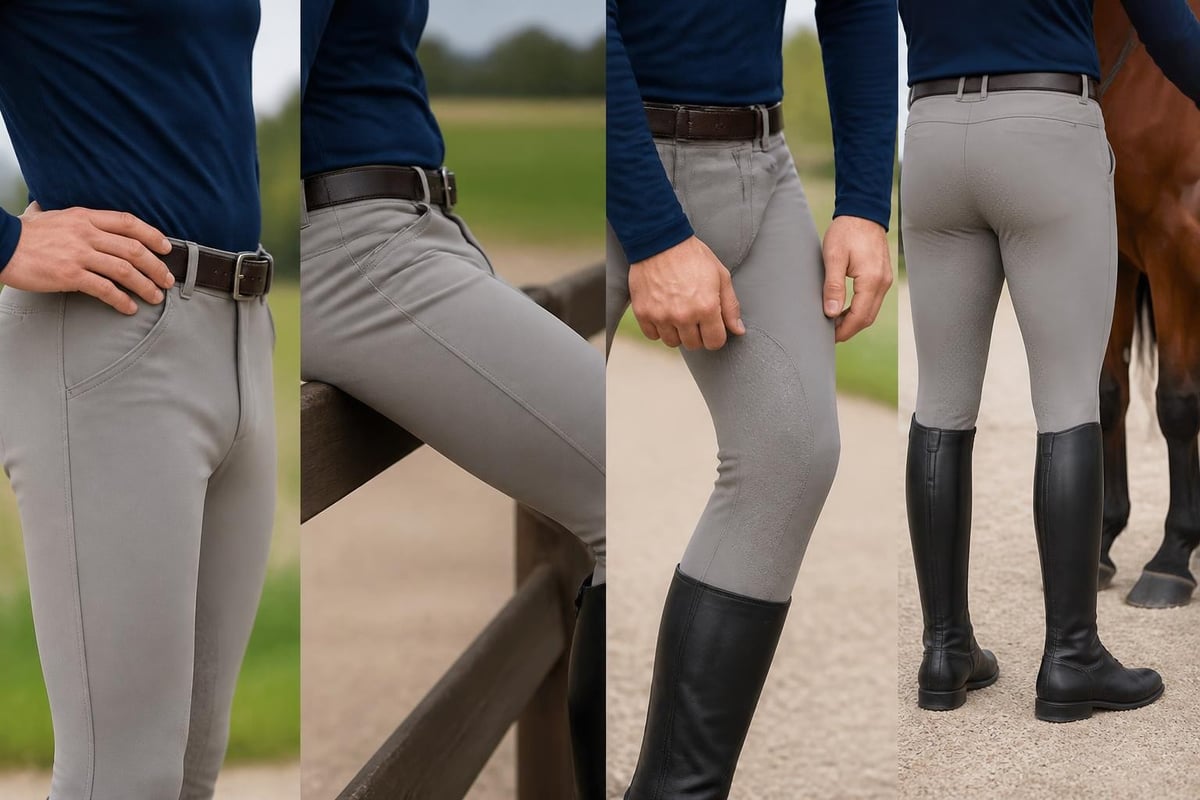
The thigh should fit close without constriction. Fabric that's too loose creates wrinkles that cause pressure points and interfere with leg contact. Fabric that's too tight restricts blood flow and limits your ability to apply nuanced aids. When standing, you should be able to pinch about 1-2 centimeters of fabric at the thigh. When mounted, this excess disappears as the fabric stretches over your positioned leg.
The knee area requires particular attention. Knee patches must align precisely with where your knee contacts the saddle. Poorly positioned patches slide during riding, negating their grip advantage. Many riders find trying on breeches whilst in riding position, if possible, reveals fit issues that aren't apparent when standing.
Lower Leg Taper
The lower leg should taper smoothly without excess fabric. Breeches worn with tall boots need a slim profile that slides easily into the boot shaft without bunching. Riding tights generally have an even slimmer profile, sometimes incorporating stirrup foot loops that keep the leg precisely positioned.
Check the ankle cuff or Velcro closure on breeches. These should secure snugly without cutting off circulation. The cuff prevents the breech leg from riding up inside your boot, which creates uncomfortable pressure points during long rides.
Discipline-Specific Requirements
Different equestrian disciplines have varying expectations for mens horse riding pants, both in competition settings and during training. Understanding these nuances ensures you're appropriately attired and comfortable for your chosen sport.
Dressage
Dressage demands formality and precision in appearance. Competition breeches traditionally come in white, cream, or very light beige for all levels. The FEI dressage rules specify permitted colors and styles for international competition. Full-seat breeches are overwhelmingly preferred in dressage, as the additional grip supports the deep, sustained seat required for collection and advanced movements.
Training at home allows more flexibility. Navy, grey, or tan breeches work perfectly for schooling sessions. Many dressage riders maintain separate competition breeches to preserve their pristine white pairs for shows whilst using darker training breeches that hide arena dust and general wear.
Show Jumping and Eventing
Show jumping and eventing allow considerably more color flexibility. Navy, grey, tan, and even subtle patterns appear regularly in the show ring. The USEF rulebook provides specific guidance for U.S. competitions, noting acceptable breech colors across divisions.
Knee-patch breeches are more common in jumping disciplines, as riders frequently work in two-point position where full-seat grip is less relevant. The patches provide security during landing and tight turns without the additional material of full-seat designs. Some eventers prefer full-seat for dressage phases and knee-patch for jumping phases, particularly at upper levels.
Western and Endurance Riding
Western disciplines typically use jeans or specialized western pants rather than English-style breeches. However, some western riders training in English tack or competing in versatility classes do wear mens horse riding pants. Endurance riders often choose riding tights for their minimal bulk and excellent moisture management during long-distance rides.
The crossover between disciplines continues to grow. Performance features that benefit English riders, such as stretch fabrics and strategic grip, are increasingly appearing in western-styled riding pants as well.
Grip Technology and Seat Materials
The seat and knee areas of mens horse riding pants represent the primary contact points with your saddle. Modern grip technologies have revolutionized how these areas perform.
Leather and Suede
Traditional leather and suede patches remain popular for their classic appearance and proven performance. Full-grain leather develops character over time whilst maintaining grip. Suede offers slightly more stick than smooth leather, which some riders prefer for maximum security.
Leather requires more care than synthetic alternatives. Regular conditioning keeps it supple and prevents cracking. Some riders appreciate this maintenance ritual; others prefer low-maintenance options.
Synthetic Grips
Synthetic materials like Clarino and Alcantara replicate leather's performance without the maintenance requirements. These materials resist moisture better than natural leather, making them practical for riders in wet climates or those who ride through varying weather conditions.
Silicone grip patterns have become increasingly sophisticated. Rather than simple dots or lines, modern designs use ergonomic patterns that provide hold without creating uncomfortable pressure when you're out of the saddle. Some premium mens horse riding pants feature laser-cut grip that's nearly invisible but highly effective.
| Grip Material | Maintenance | Durability | Weather Performance | Appearance |
|---|---|---|---|---|
| Full-grain leather | High | Excellent | Moderate | Traditional |
| Suede | High | Good | Low | Classic |
| Synthetic leather | Low | Excellent | High | Modern |
| Silicone grip | Very low | Good | Excellent | Contemporary |
Care and Maintenance for Longevity
Quality mens horse riding pants represent an investment. Proper care extends their lifespan significantly and maintains their performance properties.
Washing Guidelines
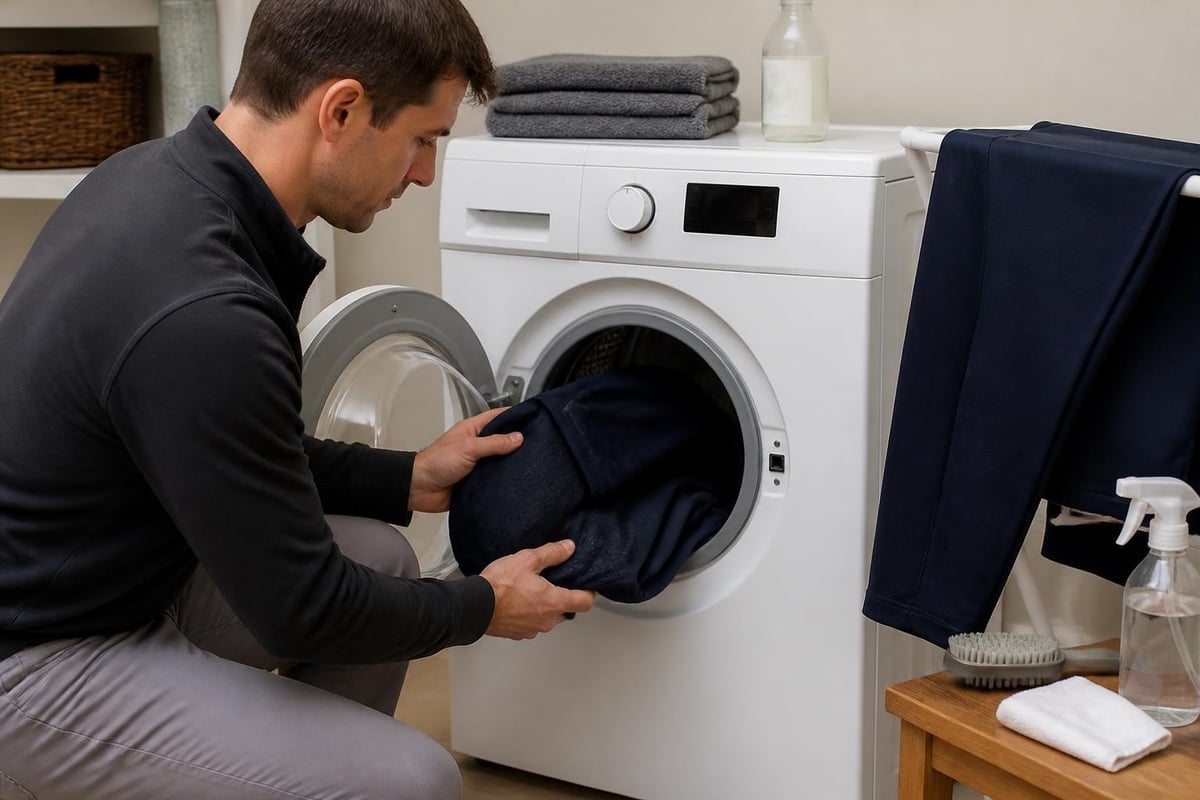
Always check manufacturer instructions, but general principles apply across most riding pants. Turn them inside out before washing to protect outer fabrics and grip materials. Use cold or warm water rather than hot, which can break down elastic fibers and cause shrinkage.
Avoid fabric softeners entirely. These products coat fibers, reducing the effectiveness of moisture-wicking properties and silicone grips. A small amount of sport-specific detergent designed for technical fabrics works best.
Drying and Storage
Air drying preserves fabric integrity better than machine drying. Hang breeches by the waistband or lay them flat to dry naturally. Heat from dryers degrades elastic components over time and can damage leather or synthetic seat materials.
Store mens horse riding pants folded or hung properly. Avoid cramming them into overfilled drawers where constant compression can cause permanent creasing or stretched-out areas. Proper storage maintains the shaped fit that makes quality breeches perform well.
Dealing with Stains
Arena dirt, horse sweat, and the occasional grass stain are inevitable. Address stains promptly rather than allowing them to set. A soft brush removes dried mud effectively without damaging fabric. For organic stains, enzyme-based cleaners work well when applied according to product directions.
White competition breeches require extra attention. Some riders pre-treat high-wear areas before each show with stain-prevention products. Others keep a rotation of competition breeches, ensuring clean pairs are always ready.
Safety and Protective Considerations
Whilst mens horse riding pants themselves aren't protective equipment in the same category as helmets or body protectors, they play a role in overall rider safety. Penn State Extension's guidance on equestrian safety emphasizes that appropriate clothing reduces injury risk during both riding and stable work.
Properly fitted riding pants eliminate loose fabric that could catch on tack, fence posts, or stable fixtures. The close-fitting design prevents dangerous snags that could pull you off-balance or trap you in emergency situations. This becomes particularly relevant when working around horses in various settings.
Quality fabrics offer some abrasion protection during falls. Whilst not a substitute for proper protective equipment like the body protectors meeting ASTM F1937 standards, thick, well-constructed riding pants provide a layer between your skin and the ground or arena surface.
Some riders working with young or unpredictable horses choose reinforced breeches with extra panels in high-impact areas. These specialized designs incorporate padding or additional fabric layers without adding bulk that would interfere with normal riding.
Transitioning from Stable to Street
One of the appeals of modern mens horse riding pants is their ability to function beyond the arena. Brands including Gallant Equestrian design breeches that look equally appropriate grabbing coffee after your morning ride or running errands between training sessions.
Neutral colors like navy, charcoal, and tan read as smart casual trousers when paired with the right tops and footwear. The technical fabrics' stretch and comfort actually surpass many conventional trousers, particularly for active lifestyles. Some riders keep short boots and a jacket in the car, transforming their look from distinctly equestrian to casually refined in minutes.
This versatility matters increasingly as riders balance full schedules. Rather than dedicating separate wardrobes for riding and daily life, well-designed mens horse riding pants serve both purposes efficiently. The key lies in choosing quality pieces with clean lines and subtle branding.
Building Your Riding Pants Wardrobe
How many pairs of mens horse riding pants do you actually need? The answer depends on how frequently you ride, your competition schedule, and your training environment.
The Essential Rotation
Most active riders benefit from at least three pairs for regular rotation. This allows one pair to be worn whilst another is in the wash and a third is ready as backup. If you ride five or more days weekly, four to five pairs prevents excessive wear on any single pair.
Consider color strategically. One or two pairs of darker training colors (navy, grey, or tan) handle daily schooling whilst showing dirt less obviously. If you compete regularly, dedicated competition breeches in discipline-appropriate colors ensure you always have show-ready options available.
Seasonal Considerations
Climate affects how many pairs you need. Warmer regions might emphasize lightweight, breathable designs, whilst riders in areas with distinct seasons often maintain separate summer and winter wardrobes. Winter riding tights with fleece lining or thermal properties become essential when temperatures drop significantly.
Some riders find that seasonal rotation naturally staggers breech replacement. Spring purchases of lightweight summer breeches coincide with retiring worn winter pairs, creating a sustainable replacement cycle rather than needing to update an entire wardrobe simultaneously.
Specialized vs Versatile Options
Riders competing in multiple disciplines might choose breeches optimized for each. Full-seat designs for dressage days, knee-patch styles for jumping sessions, and technical riding tights for fitness work creates a comprehensive wardrobe. Alternatively, versatile mid-range options that perform adequately across disciplines simplify your choices and reduce total investment.
Current Trends in Men's Riding Apparel
The equestrian industry has historically focused on women's apparel, but mens horse riding pants have seen significant innovation in recent years. Brands recognize that male riders deserve the same attention to fit, performance, and style that female riders have long enjoyed.
Subtle details distinguish contemporary designs. Topstitching, pocket placement, and closure mechanisms receive careful consideration. Quality hardware, including reinforced zippers and secure closures, reflects attention to both function and refined aesthetics.
Color palettes have expanded beyond traditional navy and tan. Charcoal, stone, olive, and deeper earth tones appear in training collections, offering variety whilst maintaining the sophisticated, understated appearance that male riders prefer. Competition wear remains conservative, but training wear allows more personal expression.
The acceptance of riding tights for men represents perhaps the most significant shift. Initial resistance has given way to recognition that performance matters more than tradition. Male riders at all levels now wear riding tights without hesitation, appreciating the technical advantages they provide.
Price Points and Value Considerations
Mens horse riding pants span a wide price range, from budget-friendly entry options around £50 to premium designs exceeding £200. Understanding what differentiates these price points helps you invest wisely.
Budget breeches typically use simpler fabric blends with less sophisticated stretch and recovery. Seams may be less refined, and sizing can be inconsistent. For riders just starting or riding occasionally, these serve adequately whilst you determine your preferences and commitment level.
Mid-range options (£80-£130) represent the sweet spot for most active riders. Quality fabrics, proper fit, and reliable construction appear at this level. Brands at this price point understand rider needs and incorporate genuine performance features rather than just styling cues.
Premium mens horse riding pants justify their cost through exceptional fabrics, innovative construction, and superior durability. Research on rider performance variables suggests that equipment supporting rather than impeding natural movement contributes to overall riding effectiveness. Investment in breeches that enhance rather than distract from your riding pays dividends over time.
Finding Your Perfect Pair
Selecting mens horse riding pants ultimately comes down to matching your specific needs with available options. Consider your primary discipline, riding frequency, competition aspirations, and personal style preferences.
Try multiple brands and styles. Fit varies significantly between manufacturers, and what works perfectly for one rider might not suit another's body type or riding position. Many equestrian retailers understand this and facilitate returns or exchanges, recognizing that finding the right fit sometimes requires trying several options.
Pay attention to how breeches feel during actual riding, not just when standing in a fitting room. If possible, arrange to try them during a lesson or training session before committing fully. Some minor discomforts that seem trivial initially become significant during extended riding.
Don't compromise on fit to save money. Poorly fitting mens horse riding pants that bunch, slip, or restrict movement undermine your riding and create frustration. Better to invest properly in fewer pairs that perform well than accumulate multiple inadequate options.
Whether you're exploring our breeches collection or coordinating complete outfits including pieces like a waterproof riding jacket, the right combination supports your riding whilst reflecting your personal style.
Choosing mens horse riding pants that combine proper fit, performance fabrics, and refined style transforms how you experience time in the saddle. The right pair supports your riding goals whilst looking equally appropriate for life beyond the arena. Gallant Equestrian designs performance-driven equestrian clothing for men who demand both functionality and style, creating pieces that transition seamlessly from stables to daily life. Look the Part. Enjoy the Ride.

