

Mens Riding Wear: Essential Guide for 2026
Mar 29, 2026
The world of mens riding wear has evolved considerably over the past decade, moving beyond purely functional workwear to embrace performance fabrics, refined tailoring, and versatile design. Today's riders demand clothing that performs in the saddle whilst transitioning seamlessly to everyday life. Whether you're competing at championship level or enjoying weekend hacks, understanding what makes quality riding wear matters more than ever. This guide explores the essential pieces, technical considerations, and style principles that define modern equestrian clothing for men in 2026.
The Foundation: Breeches and Riding Trousers
Every rider knows that proper lower-body wear makes the difference between comfortable hours in the saddle and constant distraction. Modern mens riding wear prioritizes stretch, breathability, and durability in equal measure.
Technical Performance Features
Quality breeches incorporate four-way stretch fabrics that move with your body rather than restricting it. The best examples use moisture-wicking technology to keep you dry during intense training sessions, whilst reinforced seat panels provide grip without bulk. Knee patches or full-seat grips should feel secure without creating pressure points that become uncomfortable during longer rides.
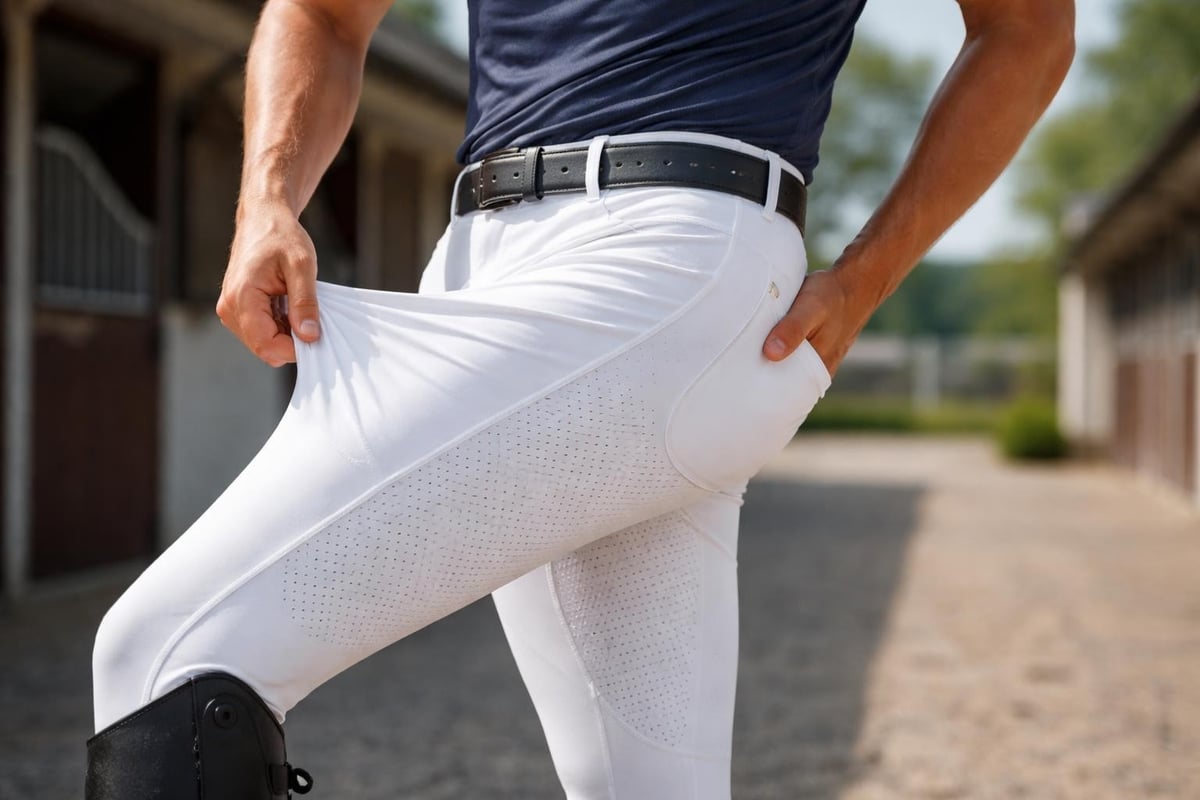
Look for flat-lock seams that sit comfortably against your skin, particularly along the inseam where traditional stitching can cause irritation. The waistband should sit securely without requiring constant adjustment, and many contemporary designs incorporate silicone or rubberized grips to keep shirts tucked properly throughout your ride.
Fit and Silhouette
The cut of your breeches affects both performance and appearance. A well-fitted pair should feel like a second skin through the seat and thighs, with enough room through the calf to accommodate boots comfortably. Tapered legs create a clean line that looks equally appropriate under tall boots or with casual footwear.
Modern mens riding wear from Gallant Equestrian demonstrates how proper tailoring eliminates excess fabric that can bunch or chafe. The rise should be comfortable whether you're standing in stirrups or sitting deep in the saddle, and quality designs account for the natural forward position of riding without creating awkward pulls when you're on the ground.
Shirts and Base Layers: Versatility Meets Performance
The upper body requires just as much consideration as your lower half, though the demands shift depending on weather, discipline, and occasion.
Competition Shirts
Show shirts represent the formal side of riding attire. Traditional white or subtle colors remain standard for most disciplines, but modern technical fabrics have revolutionized comfort. Moisture-wicking properties keep you cool under a jacket, whilst stretch panels at the shoulders and back ensure full range of motion.
The collar should maintain its shape throughout the day, and quality shirts incorporate hidden closures or magnetic snaps that stay secure. Long sleeves with functional cuffs that can be adjusted provide flexibility as temperatures change between morning warm-up and afternoon classes.
Training and Casual Options
For everyday riding, polo shirts and technical tees offer practicality without sacrificing style. Look for fabrics that dry quickly and resist odours, particularly if you're riding multiple horses or spending full days at the yard. Quarter-zip designs provide ventilation control, whilst tees and polo shirts with subtle branding maintain a polished appearance.
Base layers serve a crucial role in temperature regulation. Summer-weight options should feel barely there whilst wicking moisture away from your skin. Winter base layers need to provide warmth without bulk, allowing you to layer effectively under shirts and jackets.
| Season | Base Layer Type | Key Features | Best For |
|---|---|---|---|
| Summer | Lightweight mesh | Maximum breathability, quick-dry | Hot weather riding, intense training |
| Spring/Autumn | Mid-weight technical | Moisture control, moderate warmth | Variable conditions, early mornings |
| Winter | Thermal fleece | Heat retention, stretch, moisture-wicking | Cold weather, outdoor arenas |
Jackets and Outerwear: Protection and Presentation
Riding jackets serve dual purposes: protecting you from the elements and presenting a refined appearance when required. The best examples balance these needs without compromise.
Competition Jackets
Show coats demand precise tailoring that accommodates movement whilst maintaining structure. Traditional wool blends remain popular for their breathability and classic appearance, though modern alternatives incorporate technical stretch for improved comfort. The shoulder should allow your arms to extend forward naturally, and the waist should be fitted without restricting your breathing or core stability.
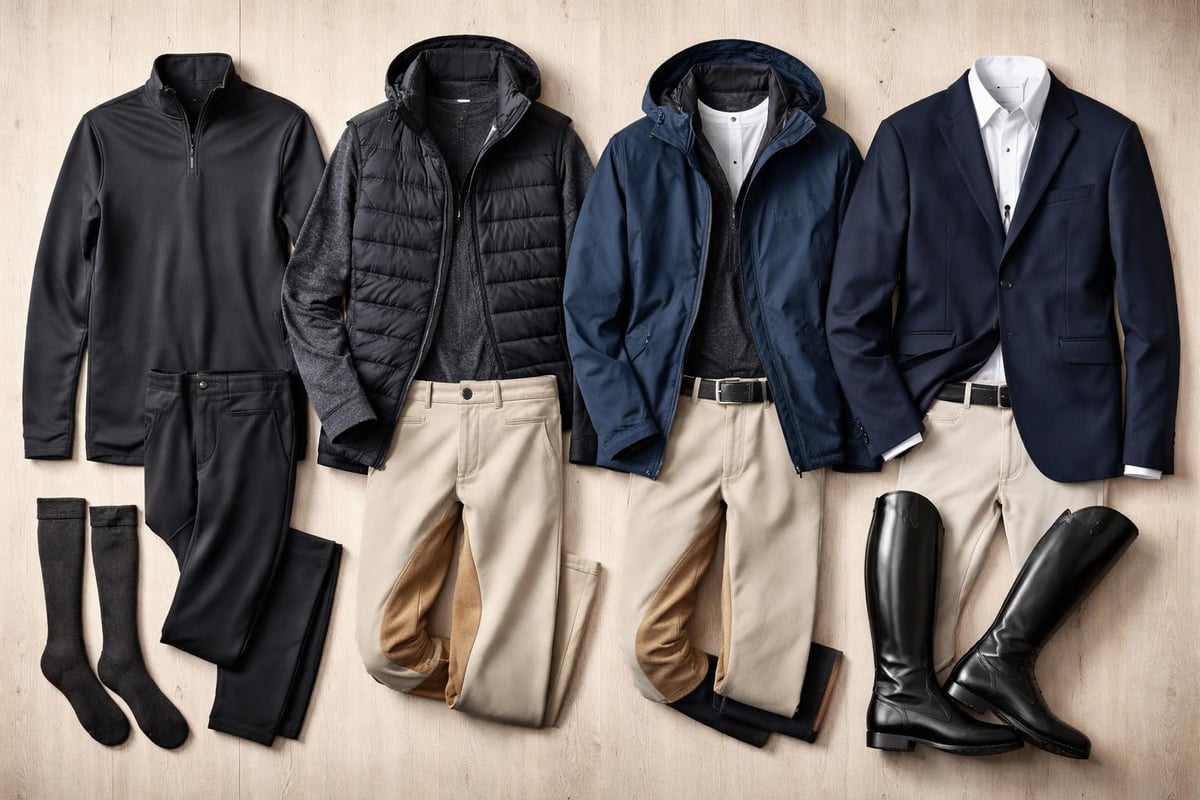
Look for jackets with vented backs or side panels that prevent overheating during warm weather shows. Quality competition wear features reinforced elbows and proper length that covers your seat when mounted without riding up awkwardly.
Training Jackets and All-Weather Options
Soft-shell jackets have become essential for everyday riding. Water-resistant finishes shed light rain whilst remaining breathable, and the flexibility suits both mounted and ground work. Features like adjustable hems, high collars, and secure pockets add practical value.
For serious weather, proper waterproof jackets protect without the noise and stiffness of traditional rain gear. Modern designs incorporate stretch panels and articulated sleeves that move with you rather than fighting your natural position. Understanding men's equestrian attire evolution helps appreciate how far outerwear technology has advanced.
Footwear Fundamentals
Boots represent one of the most significant investments in mens riding wear. The right pair improves your position, protects your feet, and lasts for years with proper care.
Tall Boots
Leather tall boots remain the gold standard for discipline and occasions requiring traditional turnout. The fit should be snug through the calf without cutting off circulation, with enough room in the foot box to wiggle your toes comfortably. Quality leather moulds to your leg over time, creating a custom fit that off-the-shelf boots rarely achieve immediately.
Modern construction techniques incorporate elastic panels or stretch leather that provides flexibility whilst maintaining the classic silhouette. The heel should be defined enough to prevent your foot sliding through the stirrup, typically around 2.5 to 3 centimeters.
Paddock Boots and Alternatives
Short boots paired with half chaps offer versatility and comfort for training. They're easier to fit, less expensive than tall boots, and can transition to casual wear more readily. Look for water-resistant leather or synthetic materials that withstand daily yard work, with soles that provide grip on various surfaces.
The ankle support should feel secure without restricting natural movement. Quality paddock boots incorporate padded collars and breathable linings that prevent the hot spots common with cheaper alternatives.
Seasonal Considerations and Layering
Effective layering transforms your riding experience across changing conditions. Understanding how pieces work together prevents both overheating and inadequate protection.
Summer Riding
Hot weather demands breathable fabrics and minimal layers. A quality technical shirt often suffices, though sun protection becomes crucial for longer rides. Lightweight long sleeves in UPF-rated fabric protect better than sunscreen alone, whilst ventilated designs prevent the trapped heat of traditional coverage.
Consider lighter-coloured clothing that reflects rather than absorbs heat. Modern performance fabrics dry quickly enough that a brief hosing down can provide immediate cooling between rides.
Winter Strategies
Cold weather requires thoughtful layering that maintains mobility. Start with a thermal base layer that wicks moisture, add a mid-layer for insulation, and finish with a windproof or waterproof shell depending on conditions. Sweatshirts and hoodies serve well as mid-layers, providing warmth without excessive bulk.
Pay attention to extremities. Quality gloves should allow enough feel for rein contact whilst protecting from cold and wind. Neck warmers or buffs prevent heat loss without the restriction of traditional scarves.
| Temperature Range | Base Layer | Mid Layer | Outer Layer | Accessories |
|---|---|---|---|---|
| Above 20°C | Lightweight technical tee | None | Optional sun shirt | Cap, sunglasses |
| 10-20°C | Mid-weight base | Light fleece or polo | Soft-shell jacket | Light gloves |
| 0-10°C | Thermal base | Fleece or sweatshirt | Insulated jacket | Winter gloves, neck warmer |
| Below 0°C | Heavy thermal | Multiple layers | Waterproof insulated coat | Full winter kit |
Quality Markers and Investment Pieces
Not all mens riding wear delivers equal value. Recognizing quality construction and appropriate materials helps you invest wisely.
Fabric and Construction Details
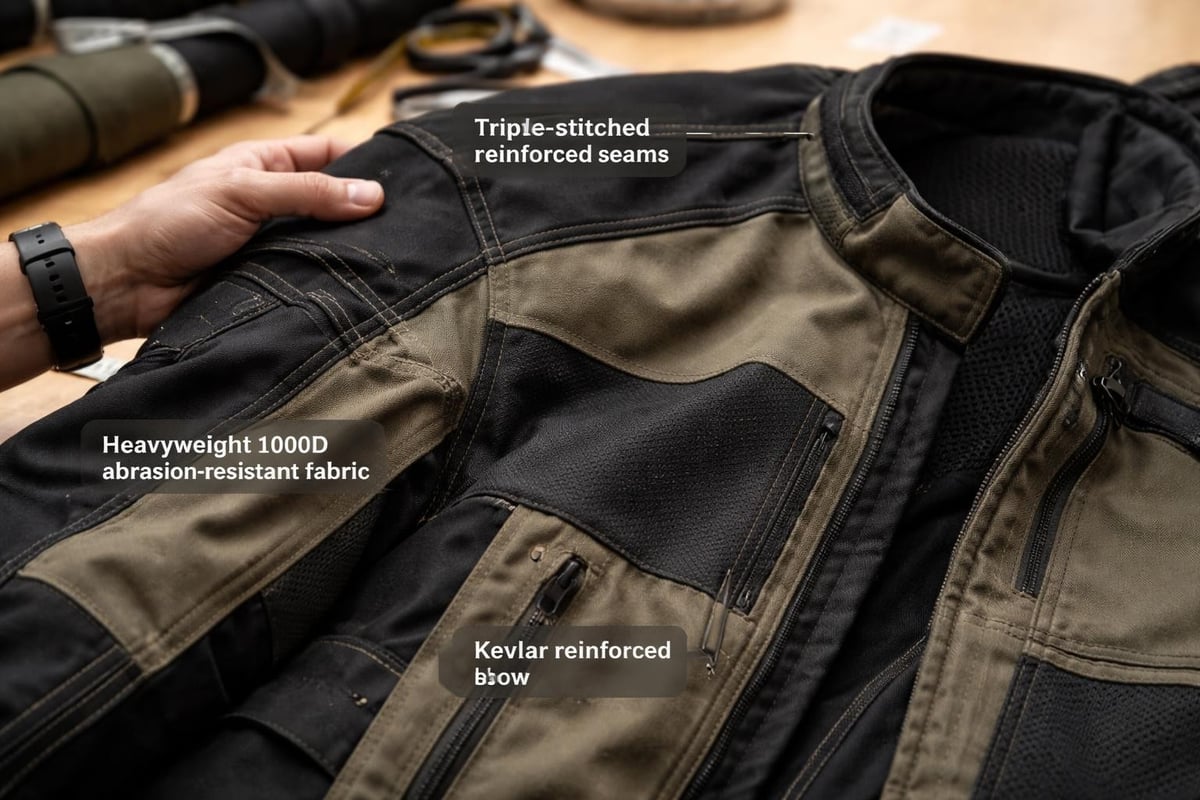
Examine seams carefully. Quality garments feature reinforced stitching at stress points, particularly the crotch and seat of breeches. Flat-lock or French seams prevent chafing better than simple straight stitches. The fabric itself should feel substantial without being heavy, and any stretch should return to shape rather than sagging after wear.
Technical fabrics often carry certifications for moisture-wicking or water resistance. These aren't just marketing terms when backed by proper testing. Quality pieces maintain their performance properties through repeated washing, whilst cheaper alternatives lose effectiveness quickly.
Fit and Tailoring
Proper fit varies by piece but always prioritizes movement over static appearance. Try garments in riding position when possible, extending your arms forward and sitting with knees bent. Quality brands provide detailed size guides that account for athletic builds and riding-specific measurements.
Avoid the temptation to size down for a sharper look. Riding wear needs to perform first, and overly tight clothing restricts your ability to communicate effectively with your horse. Similarly, excessive fabric bunches uncomfortably and creates bulk under boots or jackets.
Care and Maintenance
Quality mens riding wear lasts years when properly maintained. Simple habits protect your investment and ensure consistent performance.
Washing and Storage
Most technical fabrics require gentle cycles with sport-specific detergents that don't leave residue or break down moisture-wicking properties. Avoid fabric softeners entirely, as they coat fibers and reduce breathability. Air drying preserves elastic and technical features better than tumble drying, though some pieces tolerate low heat.
Store breeches and shirts on proper hangers rather than folded, which prevents creases and maintains shape. Boots benefit from boot trees that preserve their form and help air circulation. Clean and condition leather regularly, addressing salt stains and mud before they set permanently.
Repair and Refresh
Minor repairs extend garment life significantly. Replace worn knee patches before they fail completely, and address loose seams immediately to prevent further damage. Many quality brands offer repair services for their products, recognizing that well-made pieces deserve long-term support.
Style Beyond the Saddle
Modern mens riding wear transitions seamlessly from stable to street. This versatility adds value whilst maintaining the refined aesthetic that distinguishes equestrian style. For comprehensive perspectives on riding clothes brands, exploring established names alongside emerging designers reveals the full range available in 2026.
Well-fitted breeches pair naturally with casual boots or trainers for a relaxed but polished look. Technical polo shirts and quarter-zips work equally well for weekend errands or casual dining. The key lies in choosing pieces designed with both contexts in mind rather than forcing purely functional riding gear into inappropriate settings.
Quality outerwear particularly shines here. A well-cut soft-shell jacket or refined bomber serves you whether you're walking courses or meeting friends in town. Neutral colors and minimal branding ensure versatility, whilst superior construction and materials justify the investment beyond riding alone.
Building Your Core Wardrobe
Starting with mens riding wear can feel overwhelming given the options available. Focus on versatile essentials first, then expand based on your specific needs and riding discipline.
Begin with two pairs of quality breeches in neutral colors. Navy and tan work across most contexts, from training to competition in many disciplines. Add several technical polo shirts or tees that can be layered or worn alone depending on conditions.
Invest in proper boots before accessories. Your footwear affects safety and performance more directly than most other pieces. Once basics are covered, add a versatile soft-shell jacket, quality gloves for your climate, and discipline-specific items like show shirts or competition jackets.
Gallant Equestrian's essentials collection demonstrates how a focused wardrobe of well-chosen pieces serves better than numerous lower-quality alternatives. Each item should earn its place through regular use and reliable performance.
Mens riding wear in 2026 successfully blends performance technology with refined style, creating clothing that serves both horse and rider effectively. Understanding the technical features, fit considerations, and quality markers helps you build a wardrobe that performs reliably whilst looking sharp. Whether you're investing in your first proper riding kit or upgrading well-worn favorites, choosing pieces designed specifically for men who ride ensures comfort, durability, and confidence in the saddle. Gallant Equestrian creates performance-driven riding wear designed in New Zealand for riders who demand both function and style, offering essential pieces that transition effortlessly from stables to everyday life.

