

Trousers for Horse Riding: The Complete Guide for Men
May 22, 2026
Finding the right trousers for horse riding transforms every moment in the saddle. Whether you're schooling in the arena, hacking across open country, or competing at your local show, what you wear matters. The wrong trousers create friction, restrict movement, and leave you uncomfortable. The right pair? They become invisible, moving with you rather than against you. For men who take their riding seriously, understanding the options available means investing in gear that performs when it counts and looks sharp doing it.
Understanding Different Types of Riding Trousers
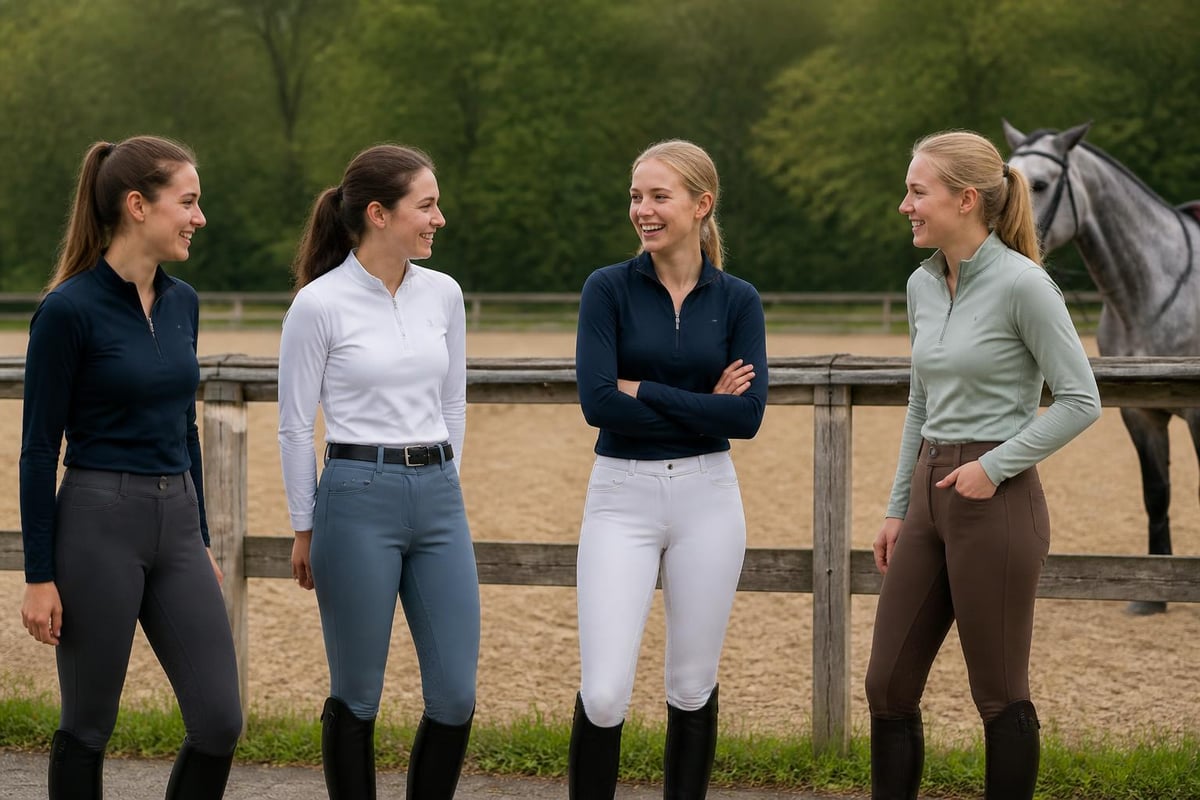
The world of equestrian trousers extends far beyond a single style. Traditional breeches remain the foundation of riding attire, designed specifically for the saddle with reinforced inner legs and stretchy fabrics that accommodate every shift in position. Jodhpurs offer similar performance with a longer leg that extends to the ankle, originally designed to be worn with short boots rather than tall ones.
Modern performance trousers blur these traditional lines. Technical riding pants now incorporate advanced materials that wick moisture, provide four-way stretch, and offer targeted grip zones. Some riders prefer these innovations, whilst others stick with classic cuts that have proven themselves over decades.
The discipline you practice influences your choice considerably. Dressage riders typically favour breeches with full-seat silicone or leather grips, providing stability during extended periods of collected work. Show jumpers often choose knee-patch versions that allow greater freedom through the thigh whilst maintaining grip where contact matters most. Eventers need versatility across all three phases, making durability and weather resistance key considerations.
Material Matters: Fabrics That Perform
The fabric composition of trousers for horse riding directly impacts comfort and longevity. Cotton blends offer breathability and a traditional feel, though they lack the stretch and recovery of synthetic options. Pure cotton tends to absorb sweat rather than wick it away, which becomes uncomfortable during longer rides or warm weather sessions.
Technical synthetics have revolutionized riding wear. Polyester blends with elastane provide excellent four-way stretch, allowing the fabric to move precisely with your body. These materials recover their shape wash after wash, maintaining their fit far longer than natural fibres. The moisture-wicking properties keep you dry, which matters enormously during summer training or intense competition.
Performance fabric benefits include:
Superior stretch ensures unrestricted movement through every phase of riding. Quick-drying properties mean you can rinse and wear within hours if needed. UV protection becomes relevant for riders spending extended periods outdoors. Anti-bacterial treatments reduce odour, particularly important for trousers worn multiple times between washes. Shape retention maintains the tailored appearance regardless of how many times you've worn them.
According to research examining the physical demands on elite riders, equestrian sports require significant physical exertion. Your trousers must support this performance without adding restriction or discomfort. The right fabric becomes part of your athletic equipment, not merely clothing.
Fit and Sizing Considerations
Proper fit separates adequate riding trousers from exceptional ones. The waistband should sit comfortably at your natural waist without requiring a belt to stay in place, though belt loops allow for adjustment. Through the seat and thigh, the fabric should provide enough room to move freely whilst avoiding excess material that bunches in the saddle.
Length becomes crucial with breeches. Finding your correct size ensures the leg ends just above your boot top, preventing fabric from creating pressure points inside tall boots. Too short and they ride up uncomfortably. Too long and they bunch at the ankle, creating wrinkles that cause rubbing.
Rise Options and Body Types
The rise (measurement from crotch to waistband) affects both comfort and appearance. Mid-rise trousers suit most riders, sitting securely without cutting into the abdomen when you lean forward in jumping position. Low-rise styles have fallen out of favour in serious riding circles, as they tend to slip during mounting and dismounting.
High-rise options provide excellent coverage and security, particularly for riders with longer torsos. They prevent the dreaded gap at the lower back when you're forward in the saddle. Modern cuts manage to achieve coverage without looking dated, incorporating contemporary styling cues that work both in and out of the arena.
| Rise Type | Best For | Considerations |
|---|---|---|
| Low-rise | Casual riding only | Can slip during activity |
| Mid-rise | Most riders, all disciplines | Versatile and secure |
| High-rise | Longer torsos, maximum coverage | Traditional but effective |
Grip Technology and Placement
Grip systems have evolved substantially in recent years. Traditional leather knee patches offered durability and a classic aesthetic, though they required breaking in and careful maintenance. Suede patches provided excellent grip from day one but wore more quickly and proved harder to clean.
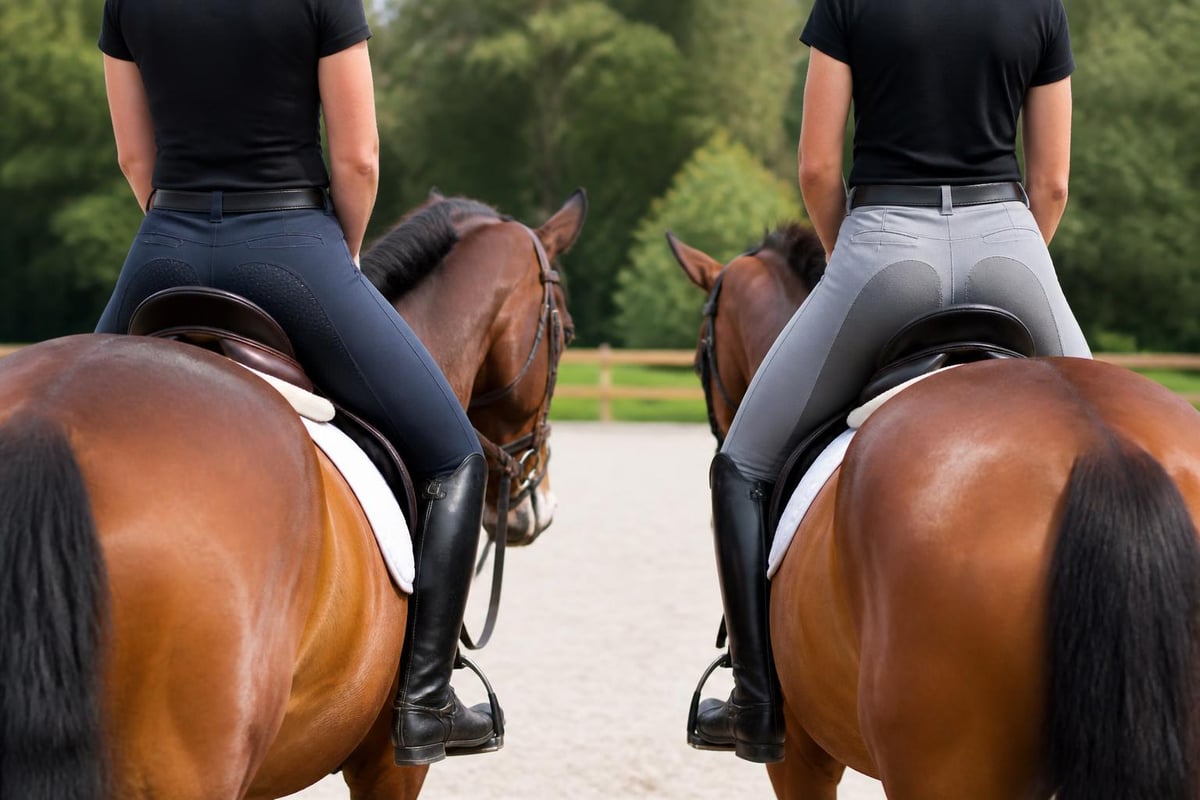
Silicone grip represents the modern standard. Full-seat coverage provides maximum stability, particularly valuable for dressage work or long-distance riding where you maintain deep contact with the saddle. The Gallant Equestrian competition breeches demonstrate how full-seat design combines performance with refined styling.
Knee-patch configurations suit riders who prefer feeling closer to their horse through the thigh. Jumpers often favour this arrangement, as it allows the inner thigh to communicate subtle cues whilst maintaining security over fences. Some manufacturers now offer strategic grip zones that extend slightly beyond traditional knee patches, providing security without full-seat coverage.
Colour and Style Choices for Male Riders
Whilst tradition dictates neutral tones for most competitive environments, modern trousers for horse riding offer surprising variety within professional parameters. Navy remains the sophisticated choice that works across all contexts, from casual schooling to formal competition. The navy breeches from Gallant Equestrian exemplify how classic colour meets contemporary cut.
Black provides sharp contrast and hides dirt remarkably well, making it practical for everyday riding. Bone or light tan colours suit warmer climates and summer competitions, though they require more frequent washing to maintain their appearance. Olive and other earth tones have gained acceptance in casual riding contexts, offering variety without stepping outside acceptable norms.
Professional colour considerations:
Stick with navy, black, or neutral tones for competitions and formal training sessions. Save bolder colours for casual rides where dress codes don't apply. Consider how colours show dirt and sweat, particularly if you ride daily. Choose darker shades for practicality, lighter ones when appearance takes priority.
Details matter as much as base colour. Subtle contrast stitching adds visual interest without compromising professionalism. Belt loops should accommodate quality leather belts. Pocket placement needs to be practical without creating bulk that interferes with saddle contact.
Weather Adaptability and Seasonal Options
Year-round riders need trousers that adapt to changing conditions. Lightweight summer breeches in technical fabrics keep you cool during hot weather training. These often incorporate mesh panels in strategic locations, though placement must avoid creating pressure points against the saddle.
Winter riding demands warmer options without sacrificing fit or flexibility. Fleece-lined breeches provide insulation whilst maintaining the stretch necessary for proper riding position. Some riders layer thermal undergarments beneath standard breeches, though this approach can create bulk that alters fit and feel.
Water resistance becomes essential for riders in damp climates. Waterproof options in outer layers pair well with quick-drying breeches that won't stay sodden if caught in unexpected rain. The combination allows you to keep riding regardless of weather, rather than being limited to perfect conditions.
Transitional Garments
Spring and autumn present unique challenges, with morning chill giving way to midday warmth. Moderately weighted trousers in breathable fabrics handle these swings better than extreme seasonal options. The ability to layer strategically, removing or adding pieces as temperatures shift, provides more versatility than trying to find single garments that work across wide temperature ranges.
Understanding how different riding pant styles perform across seasons helps you build a functional wardrobe. Rather than accumulating numerous pairs, focus on quality pieces that genuinely suit the conditions you ride in most frequently.
Care and Maintenance for Longevity
Proper care extends the life of quality riding trousers substantially. Turn garments inside out before washing to protect outer surfaces and grip materials. Use cool or warm water rather than hot, which can break down elastane fibres over time. Avoid fabric softeners, as they coat technical fabrics and reduce moisture-wicking effectiveness.
Air-drying preserves shape and grip better than tumble-drying. Hang trousers by the waistband, allowing gravity to maintain proper leg shape. If you must use a dryer, choose low heat and remove promptly to minimize creasing. Silicone grips remain tacky longest when not exposed to high temperatures.
Maintenance steps for peak performance:
- Rinse immediately after particularly muddy or sweaty rides to prevent stains from setting
- Wash similar colours together to avoid dye transfer
- Check manufacturer care labels before first wash
- Repair small tears or loose stitching promptly before they worsen
- Store clean and dry to prevent mildew in humid climates
- Rotate between multiple pairs to allow fabrics to fully recover between wears
Investing in quality trousers for horse riding makes sense only when you maintain them properly. A well-cared-for pair from a reputable maker outlasts several cheap alternatives, performing better throughout their lifespan. This makes the higher initial investment worthwhile for serious riders.

Making the Right Investment
Price points for riding trousers vary enormously, from budget options under fifty pounds to premium competition breeches exceeding two hundred. Understanding what drives these differences helps you make informed choices. Construction quality, fabric technology, and design details all contribute to cost.
Budget trousers often use basic cotton blends with minimal stretch, simple stitching that may fail at stress points, and grip materials that wear quickly. They serve adequately for occasional riders or those just starting out. However, anyone riding multiple times weekly quickly discovers their limitations.
Mid-range options offer significantly better value. Technical fabrics appear at this level, along with reinforced stitching and reliable grip systems. Fit becomes more refined, with multiple size options and rises available. Most dedicated amateur riders find their sweet spot in this category.
Premium trousers justify their cost through exceptional durability, cutting-edge fabrics, and precision tailoring. Competition riders and professionals recognize the value in garments that maintain their performance and appearance through heavy use. The men's equestrian clothing from Gallant Equestrian demonstrates how modern design elevates traditional riding wear.
| Price Range | Typical Features | Best For |
|---|---|---|
| Under £60 | Basic fabrics, simple construction | Beginners, occasional riders |
| £60-£120 | Technical materials, good grip, reinforced stitching | Regular riders, most disciplines |
| £120-£200+ | Premium fabrics, competition-ready, exceptional durability | Frequent riders, competitors, professionals |
Beyond the Arena: Versatility in Modern Riding Trousers
Contemporary trousers for horse riding increasingly bridge the gap between stable and street. Technical fabrics that perform in the saddle also function perfectly well for everyday activities. Subtle styling allows certain riding trousers to pass as casual wear, particularly in rural communities where equestrian life integrates seamlessly with daily routines.
This versatility matters for riders who move directly from stable to other commitments. Breeches designed with clean lines and minimal obvious riding features work perfectly well under casual boots for quick errands or informal meetings. The shift towards multi-use garments reflects broader lifestyle changes, where strict separation between riding and other activities has become less relevant.
Some manufacturers now design specifically for this crossover market. Trousers that look like tailored chinos from the outside incorporate riding-specific features inside: strategic stretch zones, reinforced inseams, and subtle grip that doesn't advertise its purpose. These options appeal particularly to men who ride as part of a broader active lifestyle rather than as a segregated activity.
The research into biomechanical performance in equestrian athletes confirms that riding demands genuine athletic performance. Your clothing should support this reality whilst fitting naturally into your complete wardrobe. Quality riding trousers achieve this balance without compromise.
Finding Your Perfect Pair
Selecting ideal trousers for horse riding comes down to matching features with your specific needs. Consider your primary discipline first, as this determines grip placement and fabric weight. Think about your typical riding frequency and conditions, which influence durability requirements and seasonal considerations.
Try before you buy whenever possible. Sizing varies between manufacturers, and what fits perfectly from one brand may run small or large from another. Checking size guides helps, but nothing replaces actually wearing trousers and moving through riding positions to assess fit.
Pay attention to how trousers feel when you mount, sit deep in the saddle, post at trot, and move into jumping position. Any pulling, binding, or excessive looseness becomes magnified during actual riding. The waistband should stay put without cutting in. The seat should provide coverage without sagging.
Reading guidance from experienced riders and manufacturers provides valuable perspective. Practical tips on selecting riding pants offer insights you might not consider initially. Understanding what makes trousers truly suitable for horseback riding versus merely acceptable helps refine your criteria.
Test your short list during actual rides, not just standing in a changing room. Movement reveals what static fitting cannot. If purchasing online, verify return policies before ordering. Having the option to exchange for different sizes or styles removes risk from remote purchasing.
Choosing the right trousers for horse riding matters more than many riders initially realize. The difference between adequate and excellent comes down to understanding your needs, recognizing quality construction, and investing in pieces that genuinely perform. From fabric technology to grip placement, from seasonal adaptability to timeless style, the right trousers elevate every ride. Gallant Equestrian creates performance-driven riding wear for men who refuse to compromise on either function or style, designed in New Zealand to withstand the demands of serious riding whilst looking sharp in any setting. Look the Part. Enjoy the Ride.

