

Equestrian Coats: Performance & Style Guide for Men
Apr 30, 2026
Choosing the right coat can make or break your riding experience. Whether you're preparing for competition, working around the stables, or simply want something that transitions seamlessly from saddle to social settings, equestrian coats serve a unique purpose. They need to move with you, withstand the elements, and maintain a sharp appearance regardless of what the day throws at you. The right coat isn't just about looking polished; it's about performance that supports your riding and comfort that lasts from morning feeds to evening rides.
The Heritage and Evolution of Riding Outerwear
The history of riding coats traces back centuries, when tailored jackets were essential for both function and formality. Traditional designs prioritized freedom of movement through the shoulders and arms, longer back vents to accommodate the saddle, and durable fabrics that could withstand regular wear. These foundational principles haven't changed, but modern materials and construction techniques have elevated what's possible.
Today's equestrian coats blend this heritage with contemporary performance fabrics. Water-resistant treatments, breathable membranes, and strategic stretch panels have transformed what riders can expect from their outerwear. The evolution reflects how equestrian attire has adapted to meet the demands of active riders who need gear that performs across multiple contexts.
Understanding Different Types of Equestrian Coats
Competition Show Coats
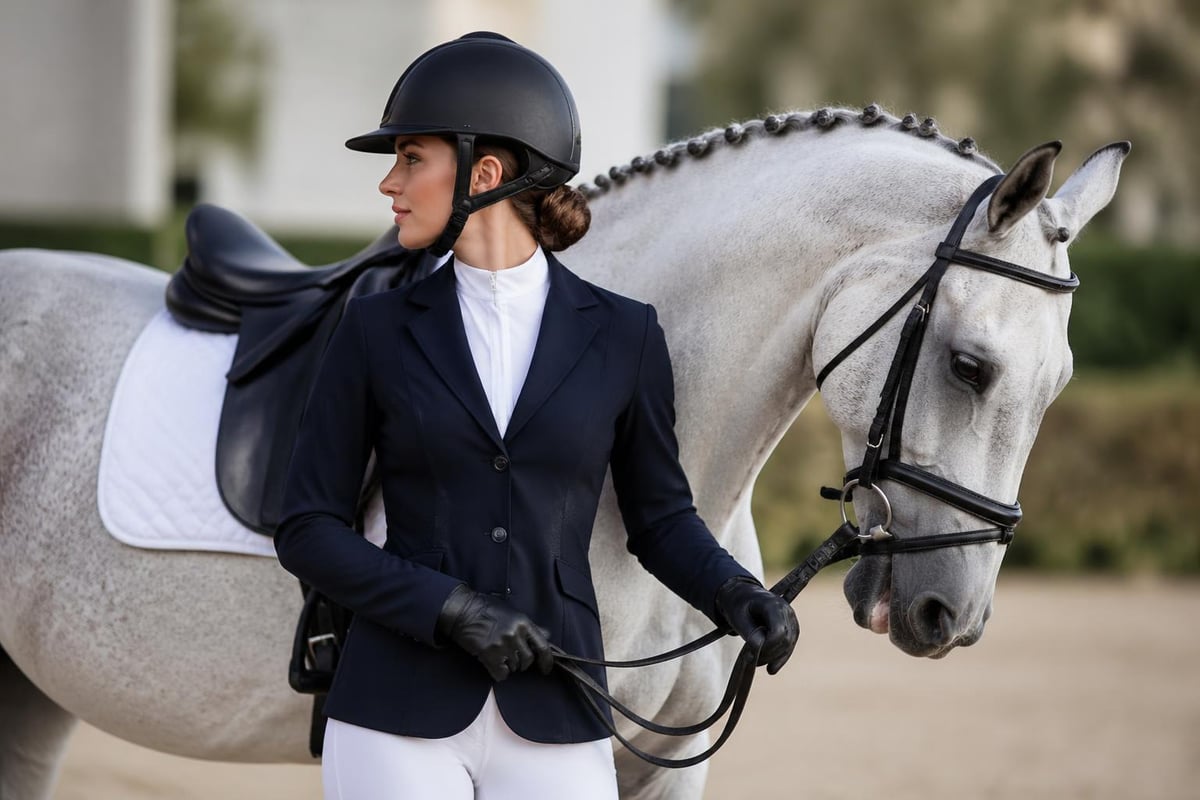
Show coats represent the pinnacle of formal equestrian riding attire, designed specifically for competition settings where presentation matters as much as performance. These jackets follow strict discipline-specific requirements while allowing subtle personal expression through fabric choice and detailing.
Dressage coats typically feature tailcoats or shadbellies for upper-level competition, with shorter jackets acceptable in lower levels. The fit should be precise without restricting shoulder movement during posting or extended gaits. Black and navy remain traditional choices, though some competitions now permit subtle patterns.
Hunter and jumper coats offer more flexibility in color and style. Show coats from specialist retailers demonstrate the range available, from conservative navy and charcoal to bolder plaids and tweeds. The key is ensuring the coat allows full range of motion through the shoulders and doesn't ride up when reaching forward over jumps.
Eventing jackets must balance formality for dressage phases with practicality for cross-country. Many riders invest in multiple coats for different phases, though versatile options exist that work across disciplines.
Everyday Riding Jackets
Beyond the show ring, everyday riding jackets prioritize weather protection and durability. These coats handle the reality of daily stable work, training sessions, and unpredictable conditions. Water resistance matters more than perfect tailoring, though quality designs manage both.
Softshell jackets have become increasingly popular for their flexibility and breathability. They move naturally with your body, resist light rain, and pack easily when temperatures shift. Look for designs with extended backs to prevent riding up in the saddle and cuffs that stay in place during active riding.
Insulated options become essential during colder months. The challenge is finding warmth without bulk that restricts movement. Modern synthetic insulation and down alternatives provide excellent warmth-to-weight ratios, keeping you comfortable without feeling like you're wearing body armor.
Technical All-Weather Coats
When conditions turn harsh, technical outerwear becomes non-negotiable. These coats combine waterproofing, windproofing, and breathability to keep you riding regardless of weather. Quality construction uses taped seams, storm flaps, and adjustable closures to prevent moisture intrusion.
The best technical coats balance protection with ventilation. You'll generate significant heat during active riding, so look for pit zips, mesh-lined vents, or breathable fabric panels that prevent overheating. Extended tails protect your lower back from rain and mud spray without excess fabric bunching in the saddle.
Key Features That Define Quality Equestrian Coats
Fabric Selection and Performance
Material choice separates adequate coats from exceptional ones. Traditional wool maintains its place for show coats due to its natural breathability, shape retention, and classic appearance. Wool blends offer durability while maintaining the refined look required in competition settings.
For everyday and technical riding, synthetic fabrics provide advantages traditional materials can't match. Nylon and polyester blends with stretch content move naturally with your body while resisting water and wind. The latest performance fabrics incorporate moisture-wicking properties that draw sweat away from your skin, keeping you comfortable during intensive riding sessions.
| Fabric Type | Best Use | Key Benefits | Considerations |
|---|---|---|---|
| Wool Blend | Show Competition | Classic appearance, breathable | Requires careful cleaning |
| Softshell | Daily Riding | Flexible, water-resistant | Limited in heavy rain |
| Hardshell | Extreme Weather | Fully waterproof, windproof | Can feel stiff initially |
| Insulated Synthetic | Cold Conditions | Warm, lightweight, packable | May overheat in mild weather |
Construction and Tailoring Details
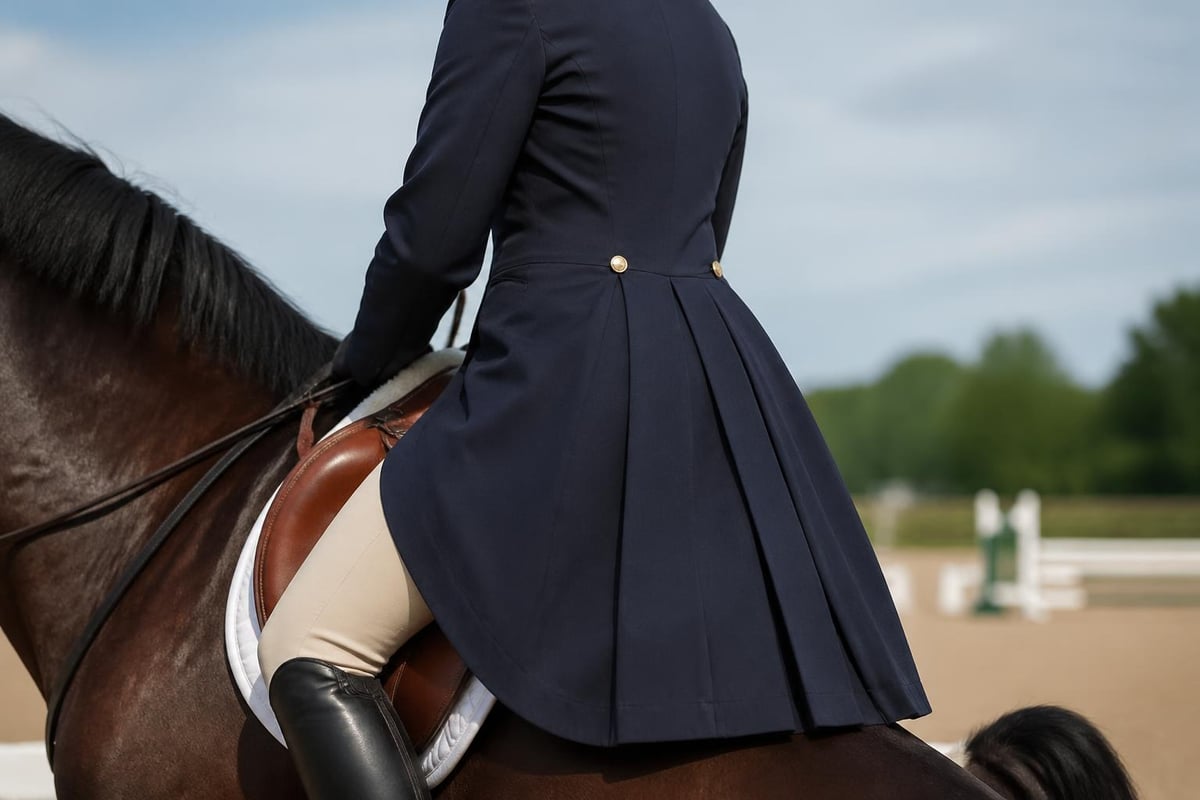
Proper construction determines how well a coat performs over time. Double-stitched seams prevent separation under stress, while reinforced stress points at shoulders and elbows extend garment life. Quality equestrian coats feature action backs or pleats that expand when you reach forward, essential for maintaining position over jumps or during posting.
Pocket placement matters more than you might expect. Hand pockets should sit high enough that they're accessible while mounted without interfering with your position. Internal pockets protect valuables from weather and loss. Avoid designs with excessive external details that might catch on tack or stable equipment.
The collar should provide protection without restricting head movement or feeling too snug when you're looking over your shoulder. Adjustable closures at cuffs and hem allow you to seal out weather while maintaining the fit that suits your riding style.
Choosing the Right Fit for Mounted Comfort
Fit makes the difference between a coat you reach for daily and one that stays in the wardrobe. Unlike standard jackets, equestrian coats must accommodate the unique postures and movements of riding. Your shoulders roll forward, your arms extend, and your torso position shifts throughout different gaits and disciplines.
Sizing Considerations
Start by assessing fit through the shoulders and chest. You need enough room to layer underneath, particularly for winter riding, without excess fabric bunching when your arms are at rest. The shoulder seam should sit at your natural shoulder point, not drooping down your arm or pulling tight across your back.
Sleeve length requires special attention. When your arms are extended in riding position, sleeves should still cover your wrists without riding up. Many riders find standard sleeve lengths too short once mounted. Quality brands offer extended sleeve options or adjustable cuffs that maintain coverage regardless of arm position.
The body length should extend several inches below your natural waist, protecting your lower back from exposure. When seated in riding position, the coat's hem should still provide coverage without bunching excessively. Some designs incorporate split tails or longer backs specifically for mounted use.
Testing Fit While Mounted
Never buy an equestrian coat without testing the fit in riding position. Stand in mounting stance, reach forward as you would over a jump, and rotate your torso to check for restrictions. The coat should move with you naturally, not pulling tight across your shoulders or riding up your back.
Check how the collar sits when you're looking down at the horse's neck or over your shoulder. It shouldn't gap away from your neck in riding position, as this allows wind and rain to enter. Equally, it shouldn't feel restrictive when you turn your head to check diagonals or look behind you.
Maintaining and Caring for Your Investment
Quality equestrian coats represent significant investments that deserve proper care. Regular maintenance extends their lifespan and ensures they continue performing at their best. The specific care requirements vary based on materials and construction, but general principles apply across most designs.
Cleaning and Storage
Read and follow manufacturer care instructions precisely. Show coats often require professional dry cleaning to maintain their shape and finish. Attempting to wash wool-blend competition jackets at home risks shrinkage, distortion, and damage to structured elements.
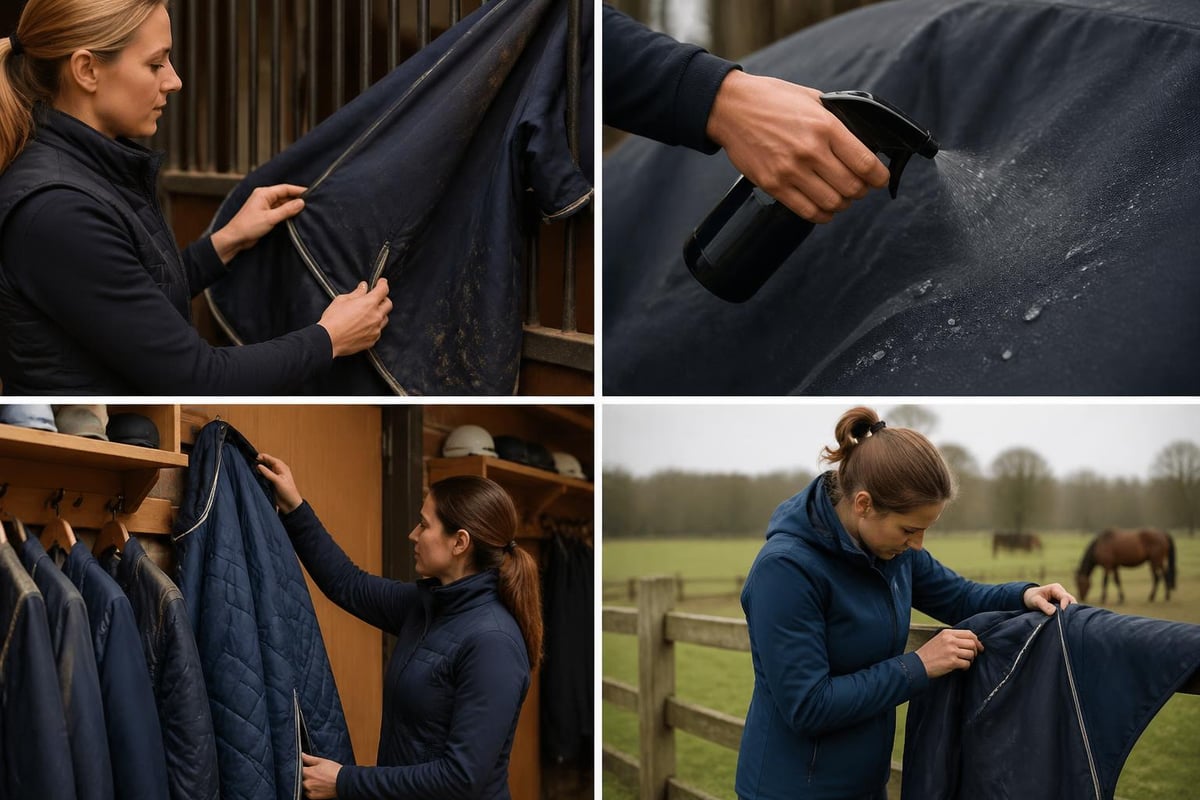
Technical riding jackets usually tolerate machine washing, but use gentle cycles and avoid fabric softeners that can compromise water-resistant treatments. Close all zippers and fastenings before washing to prevent damage. Air drying preserves technical properties better than machine drying, which can degrade waterproof membranes and synthetic insulation.
Store coats on proper hangers that support shoulder shape. Avoid wire hangers that create stress points and distort the garment. For seasonal storage, ensure coats are clean and completely dry before packing away. Use breathable garment bags rather than plastic, which can trap moisture and promote mildew.
Maintaining Water Resistance
Water-resistant and waterproof coats require periodic treatment renewal. Even quality durable water repellent (DWR) treatments eventually wear down through use and washing. When you notice water no longer beading on the surface, it's time to reapply treatment.
Clean the coat thoroughly before applying new DWR treatment. Dirt and oils prevent proper adhesion. Follow product instructions carefully, as application methods vary. Some treatments require heat activation through tumble drying or ironing on low settings.
For coats with taped seams, inspect the tape periodically for lifting or damage. Seam tape can be professionally reapplied if it begins to fail, restoring full waterproof protection.
Integrating Coats into Your Complete Riding Wardrobe
Equestrian coats don't exist in isolation. They're part of a complete riding wardrobe that works together to support your performance and style. Understanding how coats coordinate with other pieces helps you build a versatile, functional collection.
Your coat should layer smoothly over quality breeches without creating bulk or restricting hip movement. The combination of fitted lower body wear and properly cut outerwear creates the clean lines essential in competition while maintaining comfort during active riding.
Consider how your coat works with base layers and mid-layers. Competition show coats typically go over dress shirts or show shirts with minimal additional layering. Training and everyday jackets should accommodate thermal base layers and fleece mid-layers without feeling tight or restricting movement.
Color coordination matters less in everyday riding but becomes crucial for competition. Build your wardrobe around neutral foundation pieces that work across multiple outfits. Navy, black, and charcoal coats pair with virtually any breech color and shirt combination, maximizing versatility.
Style Beyond the Stable
One significant advantage of quality equestrian coats is their versatility beyond riding contexts. Well-designed pieces transition seamlessly to casual settings, offering refined style that doesn't broadcast "riding clothes" to non-equestrian observers.
Show coats work surprisingly well as blazers for semi-formal occasions. The structured tailoring and quality fabrics meet dress codes while offering superior comfort and movement compared to standard sport coats. Pair with dress trousers and a proper shirt for events where you want polished appearance without stiffness.
Technical riding jackets often function as excellent outdoor casual wear. Their weather resistance, comfortable fit, and practical features suit hiking, dog walking, or simply running errands on damp days. The equestrian design elements blend naturally with contemporary outdoor style, particularly pieces in neutral colors without obvious riding branding.
This dual functionality makes investing in quality equestrian coats more justifiable. You're not buying single-purpose specialty clothing but versatile pieces that serve multiple roles in your wardrobe. The transition from stables to everyday life becomes effortless when your riding wear maintains the style and quality that works anywhere.
Investment vs. Value in Equestrian Outerwear
Price ranges for equestrian coats span from under a hundred pounds to well over a thousand for premium show coats. Understanding what drives these differences helps you make informed purchases that align with your needs and budget.
Competition show coats command higher prices due to specialized tailoring, premium fabrics, and construction details that meet strict show standards. Specialist retailers offer ranges from entry-level options to top-tier designs from established equestrian brands. If you compete regularly, investing in quality pays dividends through durability and professional appearance.
For everyday riding jackets, focus on durability and practical features over brand prestige. A mid-range technical jacket from a reputable manufacturer often outperforms luxury options in actual riding conditions. Look for reinforced areas, quality zippers and closures, and fabrics that resist pilling and wear.
The sweet spot often lies in buying slightly fewer pieces of higher quality rather than multiple budget options. Two excellent coats that serve different purposes and last for years provide better value than five inexpensive jackets that need replacing after a season.
When to Splurge vs. Save
Splurge on show coats if you compete regularly. The confidence that comes from knowing you look polished and professional has real value in competition settings. Quality show coats maintain their appearance through repeated use and cleaning, making them worthwhile investments.
Save on trend-driven pieces or styles you're trying for the first time. Equestrian fashion evolves, and investing heavily in current trends risks disappointment when styles shift. Start with affordable options to test whether particular features or cuts work for your riding before committing to premium versions.
Consider cost-per-wear when evaluating value. A jacket you wear four times weekly for three years delivers exceptional value even at a higher initial price. Meanwhile, a competition coat you wear monthly might justify moderate spending rather than top-tier pricing.
Seasonal Considerations and Layering Systems
Your coat needs change dramatically across seasons, requiring strategic selection to cover all conditions without excessive wardrobe bloat. Building a layering system around core pieces provides flexibility while controlling costs.
Spring and Autumn Versatility
Transitional seasons demand versatility. Temperatures fluctuate dramatically between early morning and afternoon, requiring coats that accommodate layers underneath while not overheating during midday riding. Lightweight softshell jackets excel here, providing wind and light water resistance while remaining breathable.
Look for designs with removable liners or zip-off sleeves that adapt to changing conditions. Starting cool with full protection, then removing layers as temperatures rise, keeps you comfortable without carrying excess clothing around the stable.
Summer Considerations
Summer riding rarely requires heavy coats, but early morning sessions or sudden weather changes make lightweight shells valuable. Packable windbreakers or ultralight rain jackets stuff small enough to keep in your vehicle or stable locker, ready when needed without taking up space.
Competition riders need lightweight show coats that won't cause overheating during summer events. Breathable fabrics, mesh linings, and minimal construction reduce heat while maintaining required appearance standards.
Winter Protection
Cold weather demands serious insulation and weather protection. Layering becomes essential, with base layers providing warmth, mid-layers adding insulation, and outer shells blocking wind and moisture. Your coat serves as the critical outer barrier, so waterproofing and windproofing aren't negotiable.
Insulated riding coats specifically designed for equestrian use balance warmth with mobility. Look for synthetic insulation that maintains loft when compressed, as you'll be pressing against it in riding position. Down alternatives perform better in damp conditions common around stables.
Extended coverage protects vulnerable areas. High collars, adjustable hoods, and drop tails prevent heat loss from your neck and lower back. Storm cuffs and adjustable hems seal against wind without feeling restrictive.
Making Your Selection
With understanding of coat types, features, and considerations, making your selection becomes straightforward. Start by identifying your primary use case. Competition riders need show-legal options first, building everyday collections around that foundation. Recreational riders can prioritize versatility and weather protection.
Consider your climate and typical riding conditions. Riders in wet climates need waterproofing as a non-negotiable feature. Those in dry, variable-temperature regions might prioritize breathability and layering compatibility over maximum weather resistance.
Test before buying whenever possible. Online shopping offers convenience and selection, but nothing replaces trying coats in person, checking fit in riding position, and assessing quality firsthand. Many riders find value in visiting specialized retailers who understand equestrian-specific fit requirements and can provide expert guidance.
Read reviews from actual riders, not just general outdoor enthusiasts. Equestrian-specific demands differ from hiking or casual use. Fellow riders provide insights on durability, weather performance, and how coats hold up to stable conditions that general reviewers might miss.
Don't compromise on fit. A perfect coat in the wrong size delivers poor performance and disappointing longevity. If standard sizing doesn't work for your build, seek brands offering extended sizes or consider custom options for show coats where precise fit matters most.
Build your collection strategically over time. You don't need every coat type immediately. Start with pieces covering your most frequent activities and conditions, adding specialized options as needs and budget allow. Quality equestrian coats last for years, making patient, thoughtful purchases worthwhile.
The right equestrian coats support your riding through changing conditions, competition demands, and daily stable work while maintaining the refined style that defines the modern male rider. Quality outerwear represents an investment in comfort, performance, and appearance that pays dividends every time you ride. Whether you're building your first serious riding wardrobe or refining an established collection, Gallant Equestrian creates performance-driven pieces designed specifically for men who ride with purpose and style, seamlessly transitioning from stables to everyday life. Look the Part. Enjoy the Ride.

