

Horse Show Clothes: Essential Guide for Men (2026)
May 01, 2026
Stepping into the competition ring demands more than just riding skill. The right horse show clothes communicate respect for tradition, attention to detail, and a commitment to excellence. For men in equestrian sport, understanding dress codes across disciplines isn't about conforming for the sake of it. It's about presenting yourself with confidence and ensuring nothing distracts from your performance. Whether you're preparing for your first schooling show or competing at championship level, knowing exactly what to wear removes uncertainty and lets you focus on riding.
Understanding Competition Dress Codes
Show regulations vary significantly depending on discipline, level, and venue. Official dress codes provide the framework, but understanding the nuances makes the difference between adequate and impressive.
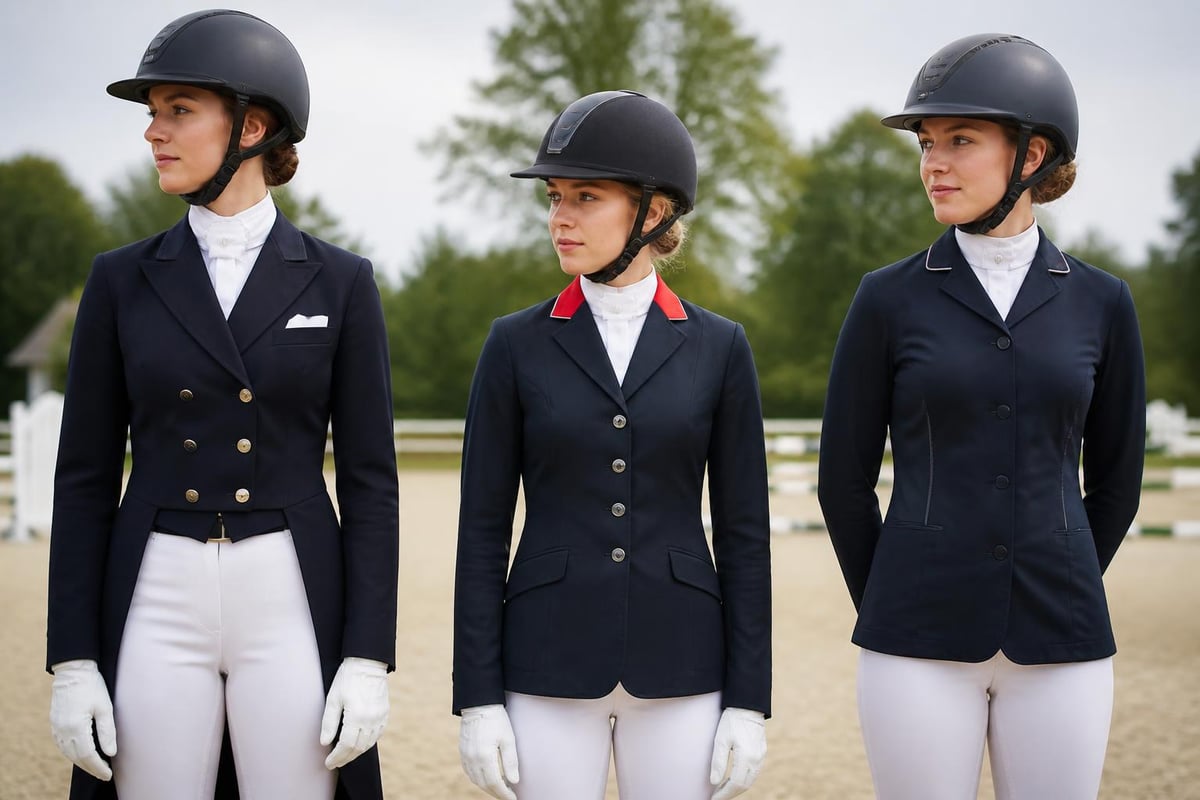
Dressage demands classical formality. At lower levels, you'll see light-coloured breeches paired with a dark jacket, white or light shirt, and a stock tie or regular tie. As you progress, shadbelly coats become standard, along with top hats and white gloves. The aesthetic remains traditional because dressage itself celebrates classical horsemanship.
Show jumping offers slightly more flexibility, particularly at lower levels where tweed jackets are acceptable. However, as competitions advance, navy or black jackets become the standard. The key is clean lines and a polished appearance that doesn't interfere with athletic movement.
Eventing presents unique challenges because you're preparing for three distinct phases. Dressage requires formal attire similar to pure dressage competitions. Cross-country allows technical shirts and safety vests. Show jumping returns to more traditional hunt-seat presentation. Smart riders plan their horse show clothes to handle all three phases efficiently.
Essential Garments Every Competitor Needs
Breeches
Quality breeches form the foundation of any competition wardrobe. For most disciplines, full-seat breeches in tan, beige, or white provide the most versatility. The full seat offers superior grip and presents a traditional appearance judges expect.
Modern performance fabrics have transformed what's possible. Technical materials wick moisture whilst maintaining their shape throughout long competition days. Four-way stretch allows unrestricted movement without bagging at the knees. Reinforced knee patches withstand constant contact with the saddle.
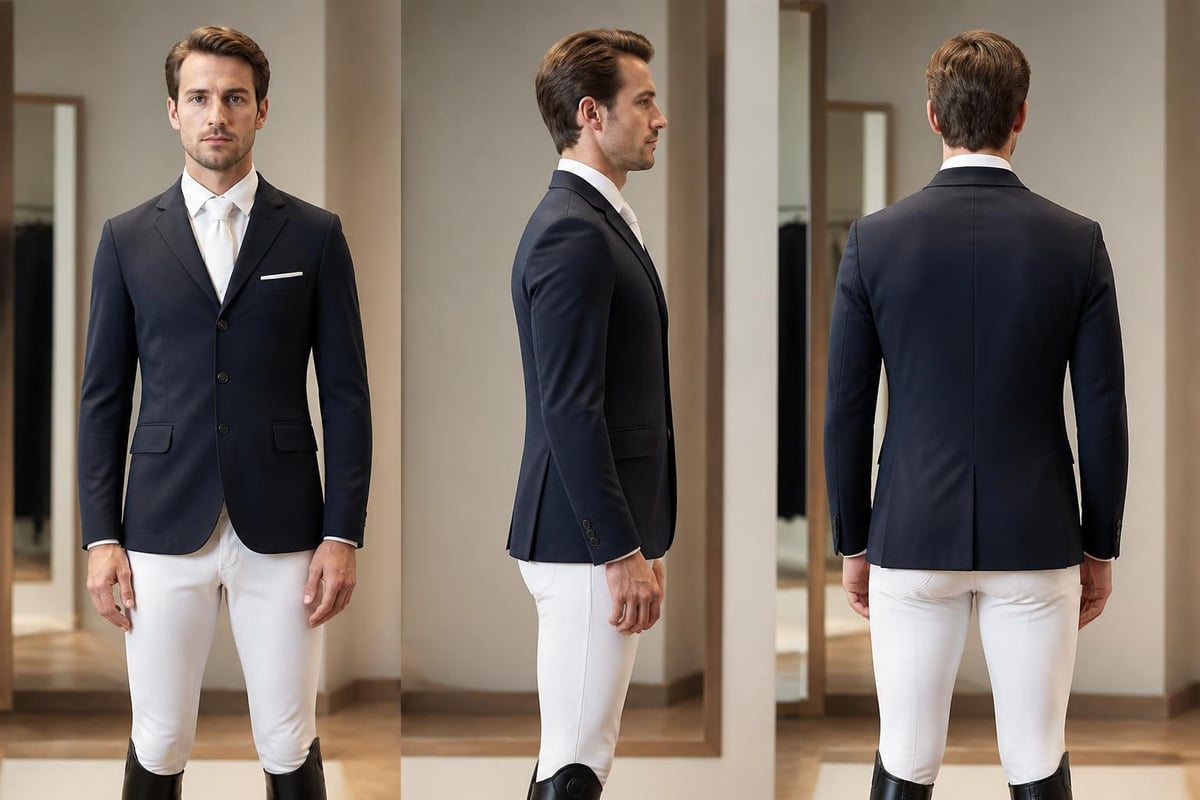
When selecting men's breeches, fit trumps everything else. They should sit comfortably at your natural waist without requiring a belt to stay in place. The leg should follow your natural line without excess fabric bunching inside your boots. Ankle closures must be secure enough to prevent riding up but not so tight they restrict circulation.
Show Jackets
Your jacket defines your silhouette in the ring. For most competitors, a well-fitted navy or black show coat serves multiple disciplines. Single-vent designs allow freedom of movement whilst maintaining clean lines. Traditional hunt coat styling remains the gold standard for show jumping and hunters.
Dressage competitors eventually need a shadbelly for upper-level tests. This tailcoat-style jacket projects formality and tradition. The fitted waist and tails create an elongated line that enhances position in the saddle.
Construction quality matters more than most riders initially realize. Properly set shoulders prevent pulling across the back during posting or jumping position. Sleeve length should allow a quarter-inch of shirt cuff to show when arms are extended. Jacket length should cover your seat when mounted whilst avoiding excessive fabric that bunches behind the saddle.
Climate considerations play an increasing role in jacket selection. Summer shows in warm regions make lightweight, breathable fabrics essential. Technical show coats now incorporate moisture-wicking properties whilst maintaining traditional appearances. You'll perform better when you're comfortable.
Shirts and Stock Ties
White remains the safest choice for competition shirts. Long sleeves present the most formal appearance, though short sleeves are acceptable in hot weather at lower-level shows. Collar style depends on your discipline and personal preference.
Ratcatcher shirts with a rounded collar offer versatility across multiple disciplines. They work well with a stock tie for dressage or worn open with a regular tie for other events. Technical fabrics that resist wrinkles and wick sweat make sense for competitions involving multiple rounds.
Stock ties require practice to master but project classical elegance. The traditional white stock with a simple gold pin remains appropriate for any dressage test. Learning to tie them properly ensures they stay secure throughout your ride and present the clean, symmetrical appearance judges expect.
Footwear and Accessories
Boots
Tall boots remain the standard for most disciplines. Black leather boots with a moderate heel provide the traditional look whilst offering proper foot security in the stirrup. Field boots with lacing at the ankle accommodate different calf shapes and allow easier flexion. Dress boots present a sleeker line preferred in dressage and hunters.
Modern alternatives include tall boot combinations featuring paddock boots with half chaps. This approach offers practical advantages for riders who find proper tall boot fit challenging. Quality matters significantly. Cheap boots break down quickly and fail to provide adequate support.
Boot fit demands attention. Your foot should sit comfortably without cramping toes or excessive space at the heel. The shaft should accommodate your calf without cutting circulation but remain snug enough to prevent slipping. Proper fit prevents blisters during long competition days.
Helmets and Gloves
Safety regulations increasingly mandate ASTM/SEI-certified helmets at all levels. Modern show helmets blend safety with style. Matte or velvet finishes suit different disciplines. Proper fit is non-negotiable because helmets protect you only when correctly sized and positioned.
Gloves serve both practical and aesthetic purposes. They improve grip on reins whilst completing your polished appearance. White or black leather gloves suit most disciplines. Some riders prefer technical materials that maintain grip even when wet. Understanding equestrian attire standards helps you select appropriate accessories for your discipline.
Preparing Your Show Wardrobe
Schooling Shows vs Rated Competitions
Schooling shows offer more relaxed dress codes. You'll still want to present professionally, but slight variations from strict tradition are acceptable. This makes them ideal for testing new horse show clothes before investing in complete formal attire.
Rated competitions demand strict adherence to published dress codes. Judges may eliminate riders for inappropriate attire. Review the prize list carefully and confirm current regulations. Rules evolve, particularly regarding safety equipment and technical fabrics.
Building a Functional Competition Kit
Start with versatile pieces that work across multiple disciplines and levels. Navy or black jackets, tan breeches, and white shirts form a foundation you can build on. Add discipline-specific items as your competition schedule develops.
Quality matters more than quantity. One well-fitted jacket serves you better than three poorly constructed ones. Invest in core pieces that fit properly and wear well. Add specialty items gradually as needs arise.
Consider your climate and typical competition season. Summer competitors need lightweight, breathable options. Those riding in cooler months appreciate warmer fabrics that still look sharp. Men's riding attire increasingly incorporates technical performance features without sacrificing traditional appearance.
Fit and Tailoring Considerations
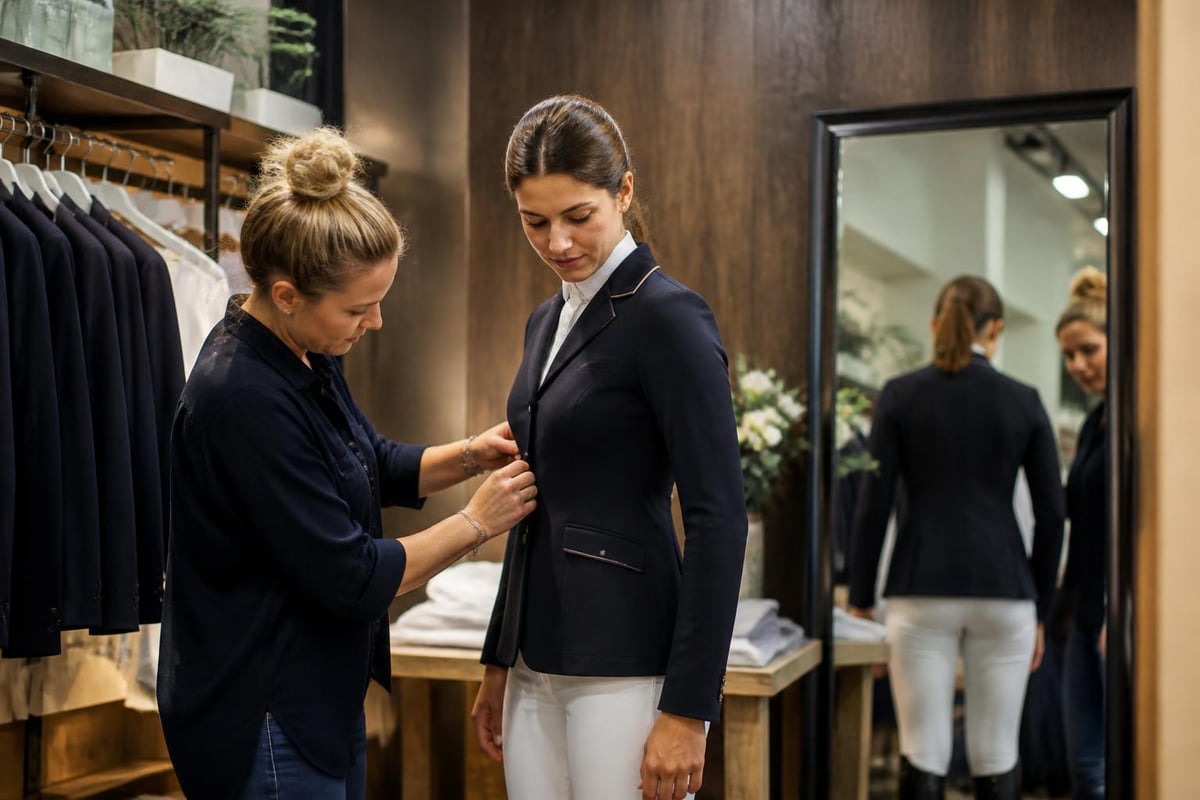
Off-the-rack sizing works for some riders, but many benefit from professional alterations. Show jackets particularly benefit from tailoring. A proper fit through the shoulders and chest prevents pulling during riding. Sleeve length adjusted to show appropriate shirt cuff creates polish.
Breeches present unique fitting challenges. The rise must be correct for your body type. Too low causes discomfort and poor position. Too high restricts movement. Inseam length affects how breeches sit in your boots. Professional fitting services help navigate these variables.
Working with knowledgeable retailers makes the process easier. They understand how garments should fit when mounted, not just when standing. Many offer alteration services or recommendations for skilled tailors familiar with riding attire.
Body shape varies significantly amongst riders. Finding brands that accommodate your specific proportions saves frustration. Some manufacturers cater to athletic builds whilst others suit different body types. Don't assume you're the same size across all brands.
Maintaining Your Competition Wardrobe
Proper care extends the life of quality show clothes significantly. Most jackets require dry cleaning, though some technical fabrics allow machine washing. Follow manufacturer care instructions precisely. Improper cleaning ruins expensive garments.
Breeches need regular washing but avoid excessive heat. High temperatures break down technical fabrics and fade colours. Air drying preserves elasticity better than machine dryers. White breeches benefit from proper stain treatment between shows.
Boot care maintains both appearance and function. Regular cleaning removes dirt and sweat that deteriorate leather. Conditioning prevents cracking and maintains suppleness. Proper storage with boot trees preserves shape. Quality boots maintained properly last years.
Stock ties and show shirts respond well to proper laundering. White fabrics require attention to keep them genuinely white rather than dingy grey. Modern stain removers work well on common issues like makeup or arena dust. Iron shirts before packing for shows to ensure crisp presentation.
Current Trends and Evolution
Traditional standards persist, but materials and construction continue evolving. Technical fabrics now offer performance advantages whilst maintaining appropriate appearances. Dress code navigation becomes easier as manufacturers blend innovation with tradition.
Sustainability influences purchasing decisions increasingly. Riders seek quality pieces that last rather than disposable fashion. This aligns well with equestrian tradition valuing craftsmanship and durability. Well-made garments justify their cost through years of service.
Colour variations appear gradually within traditional frameworks. Subtle patterns in technical shirts gain acceptance at lower-level shows. However, conservative colours remain safest for rated competitions. Innovation happens slowly in equestrian sport, respecting tradition whilst acknowledging practical improvements.
Men's options have expanded noticeably. Where choices once felt limited, contemporary equestrian style now offers variety within appropriate parameters. Riders find garments that fit properly and perform well without sacrificing traditional aesthetics.
Discipline-Specific Requirements
Dressage Specifics
Lower-level dressage permits black, navy, grey, or brown jackets. White, cream, or pale yellow breeches complete the traditional look. As you progress through the levels, requirements become stricter. Upper levels demand shadbelly coats and top hats.
Gloves must be white at all levels. Stock ties or choker-style collars project appropriate formality. Spurs and whips must meet specific length requirements. Attention to every detail matters because dressage judges evaluate your overall presentation.
Show Jumping Details
Show jumping maintains traditional hunt seat aesthetics. Navy or black coats remain standard, though some venues accept subtle patterns at lower levels. Breeches in traditional colours pair with tall boots or paddock boot combinations.
Safety equipment standards continue tightening. Body protectors gain acceptance even where not mandatory. Helmets must meet current safety certifications. Understanding specific requirements prevents last-minute scrambling before competitions.
Eventing Variations
Eventing's three phases create unique wardrarding challenges. Dressage phase mirrors pure dressage standards. Cross-country allows technical polo shirts with safety vests. Stadium jumping returns to traditional show jumping attire.
Many eventers maintain separate outfits for each phase. Others maximize versatility by selecting pieces that work multiple ways. Planning reduces what you carry to competitions whilst ensuring appropriate attire for each phase.
Budget-Conscious Approaches
Quality horse show clothes represent significant investment. Smart shopping strategies help without compromising standards. Start with essential items that work across multiple situations. Add specialized pieces as your competition schedule justifies them.
End-of-season sales offer opportunities on quality pieces. Previous season's colours or styles often perform identically to current offerings at reduced prices. Factory outlets from reputable brands provide value on overstocked items.
Second-hand options exist for riders on tight budgets. Consignment shops catering to equestrians sometimes stock barely worn show clothes. Inspect carefully for wear patterns, especially in high-stress areas like knees and seats. Proper equestrian riding clothes last years when maintained well, making quality used pieces viable.
Renting makes sense for occasional competitors or those outgrowing sizes quickly. Some tack shops offer rental programs for show coats and formal wear. This lets you compete appropriately without purchasing items you'll use rarely.
Competition Day Preparation
Pack systematically to ensure nothing essential gets forgotten. Create a checklist covering every garment and accessory. Check items off as you pack them. Include backups for items prone to damage or loss like gloves and stock pins.
Arrive with clothes pressed and ready. Wrinkled jackets or breeches undermine your polished appearance. Pack garments properly using hangers or folders that prevent creasing. Steam or iron before your class if needed.
Build extra time into your schedule for dressing. Rushing leads to mistakes like improperly tied stock ties or missed buttons. Systematic preparation prevents problems and reduces stress.
Check your appearance before entering the ring. A quick mirror check catches issues like twisted stock ties or crooked numbers. Your groom or trainer can spot problems you miss. Taking thirty seconds for final inspection demonstrates professionalism.
The Confidence Factor
Properly fitted, appropriate horse show clothes affect performance beyond aesthetics. When you know you look right, confidence follows. You enter the ring focused entirely on riding rather than worrying about appearance.
Uncomfortable or ill-fitting garments create constant distraction. Tight jackets restrict shoulder movement. Loose breeches bunch uncomfortably. Poor boots cause blisters. These issues prevent you riding your best.
Investment in proper attire demonstrates commitment to the sport. Judges notice riders who respect tradition and present professionally. Whilst riding skill determines placings ultimately, appropriate presentation starts you on the right foot. Complete equestrian gear preparation shows you take competition seriously.
Beyond the Show Ring
Quality show clothes increasingly serve double duty. Modern designs transition from competition to everyday riding or casual wear. Breeches cut for competition perform equally well during training. Technical fabrics excel whether you're showing or schooling.
This versatility justifies investment in quality pieces. Garments worn regularly provide better value than items used only occasionally. Select pieces that work across multiple contexts when possible.
Contemporary equestrian fashion influences mainstream style increasingly. Elements of traditional riding attire appear in everyday menswear. This crossover makes equestrian-inspired clothing more accessible and versatile than ever.
Getting your horse show clothes right comes down to understanding requirements, investing in quality, and ensuring proper fit. When everything works together, you present the confident, polished image that reflects your dedication to riding. Gallant Equestrian creates performance-driven show clothes specifically for men, combining New Zealand design heritage with modern technical innovation. Our collection delivers the functionality and style you need to compete confidently and ride at your best.

